As a parent, few things are as distressing as seeing your infant struggle with a stuffy nose or dry, irritated skin. When the air becomes dry, whether from winter heating or a naturally arid climate, a cool mist humidifier can be a game-changer for your baby’s comfort and well-being. These quiet, effective devices add much-needed moisture to the air, helping to alleviate common infant ailments and promote more restful sleep for everyone in the household. Choosing the right humidifier and maintaining it properly is crucial for creating a safe and healthy environment for your little one.
What is a Cool Mist Humidifier and Why Your Infant Needs One?
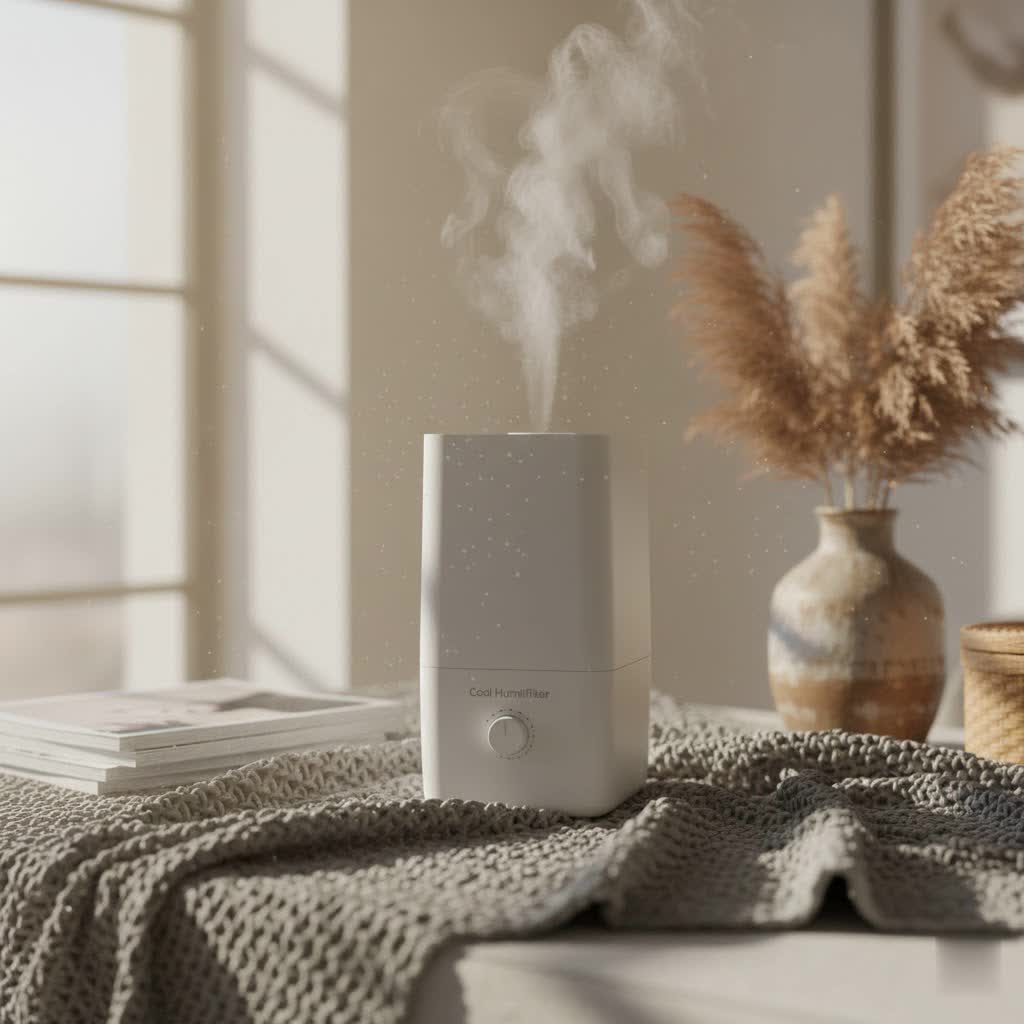
A cool mist humidifier releases a fine, invisible mist of room-temperature water into the air, increasing the humidity level. Unlike warm mist humidifiers, cool mist versions do not have a heating element, making them the pediatrician-recommended and safest choice for nurseries, as they eliminate any risk of burns or scalds.
The benefits of maintaining optimal humidity for your infant are numerous:
- Eases Congestion and Coughs: Dry air can thicken mucus in tiny nasal passages, making it difficult for babies to breathe, especially since they cannot blow their noses. A cool mist humidifier helps to thin mucus, lubricate nasal passages, and soothe irritated throats, providing significant relief from cold, flu, and allergy symptoms.
- Soothes Dry Skin Conditions: Newborns have delicate skin that can easily become dry, flaky, or irritated, particularly in dry environments. Humidifiers help hydrate the skin, combating issues like eczema and cradle cap.
- Improves Sleep Quality: When babies breathe easier and are free from dry skin discomfort, they tend to sleep more soundly. The gentle hum of many cool mist humidifiers can also act as soothing white noise, further aiding sleep.
- Reduces the Spread of Viruses: Viruses, like those causing colds and flu, thrive in dry conditions. Maintaining appropriate humidity levels (between 40-60%) can help reduce their airborne spread.
Cool mist humidifiers are particularly beneficial for infants experiencing frequent colds, allergies, dry skin, nosebleeds, or those living in homes with central heating or in naturally dry climates.
Types of Cool Mist Humidifiers for Nursery Use
When selecting a cool mist humidifier for your infant’s room, you’ll primarily encounter two types: ultrasonic and evaporative. Both effectively add moisture to the air but differ in their method of operation and maintenance.
Ultrasonic Humidifiers
Ultrasonic humidifiers use high-frequency vibrations to produce a super-fine cool mist. They are highly popular for nurseries due to their whisper-quiet operation.
- Pros:
- Ultra-quiet: Often operate below 30 dB, quieter than a whisper, making them ideal for not disturbing a sleeping baby.
- Filter-free options: Many models don’t require filters, reducing ongoing costs and maintenance.
- Instant mist: Produce mist immediately.
- Cons:
- “White dust”: Can release fine white mineral dust into the air and onto furniture if tap water is used, as the vibrations aerosolize minerals present in the water. This can be mitigated by using distilled water.
- Potential for germ dispersal: If not cleaned regularly, mold and bacteria in the water can also be dispersed into the air.
|
Our Picks for the Best Cool Humidifier in 2026
As an Amazon Associate I earn from qualifying purchases.
|
||
| Num | Product | Action |
|---|---|---|
| 1 | Humidifiers for Bedroom, 2.0L Cool Mist Humidifier for Home Plant and Baby Nursery, Quiet Ultrasonic Humidifier with 360° Nozzle, Auto Shut-Off, Filterless, Black |

|
| 2 | LEVOIT Top Fill Humidifiers for Bedroom, 2.5L Tank for Large Room, Easy to Fill & Clean, 26dB Quiet Cool Mist Air Humidifier for Home Baby Nursery & Plants, Auto Shut-off and BPA-Free for Safety, 25H |
|
| 3 | Clarston 2L Cool Mist Humidifier for Bedroom with 360° Adjustable Nozzle, High and Low Mist Levels, Ultra-Low Noise, Light-Off, No BPA, Auto Shut Off, Ideal Baby Humidifier with Easy Top Filling |
|
| 4 | Humidifiers for Bedroom - GloryAir 2.38Gal/9L Top Fill Warm & Cool Mist Humidifier for Large Room 750ft² with Auto Mode 7-Color Light, Humidistat, Quiet Humidifier for Plants Baby Adults Home & Office |
|
| 5 | Dreo Smart Humidifiers for Bedroom, Top Fill 4L Supersized Humidifier Large Room with 28 dB, 36H Runtime, Touch/APP/Voice Control, Nightlight, Cool Mist Humidifiers for Baby, Plants, Indoor, Black |
|
| 6 | Homvana Humidifiers for Bedroom Home, 3.6 L Cool Mist Top-Fill 34H Super Long Time, Quiet 23dB, Baby Humidifier, Oil Diffuser for Large Room, House, Plant, Nursery, Office, BPA FREE, Ultrasonic (Grey) |
|
| 7 | Humidifiers for Bedroom Large Room, 2.5L Cool Mist Humidifier with Essential Oil Diffuser, Top Fill Humidifier for Baby, Home, Plant, Ultrasonic Humidification for whole house, Auto Shut-Off |
|
| 8 | AquaOasis® Cool Mist Humidifier (2.2L Water Tank) Quiet Ultrasonic Humidifiers for Bedroom & Large room - Adjustable -360 Rotation Nozzle, Auto-Shut Off, Humidifiers for Babies Nursery & Whole House |
|
| 9 | Dreo Humidifiers for Bedroom, 4L Top Fill for Large Room, 36H Runtime, 28 dB Quiet Supersized Cool Mist Air Humidifier for Baby Nursery, Plants, Indoor, Night Light, Easy to Clean & Fill, White |
|
| 10 | MEGAWISE 3.5L Cool Mist Humidifier – Ultra-Quiet Ultrasonic Vaporizer with Top-Fill Design, Essential Oil Diffuser, 7-Color Night Light & Auto Shut-Off |
|
Evaporative Humidifiers
Evaporative humidifiers work by drawing air through a moistened wick or filter. A fan then blows this humidified air into the room. This process is self-regulating; as the air becomes more saturated, less water evaporates.
- Pros:
- No white dust: They do not release mineral dust into the air because minerals are trapped in the filter.
- Self-regulating: Naturally maintain a comfortable humidity level without over-humidifying.
- Generally safer: No hot components and less prone to dispersing waterborne contaminants if filters are changed regularly.
- Cons:
- Noisier: The fan operation can be louder than ultrasonic models.
- Requires filter changes: Filters need regular replacement, adding to running costs and maintenance.
Important Note on Warm Mist Humidifiers: The American Academy of Pediatrics (AAP) and other experts strongly recommend against using warm mist humidifiers or vaporizers for infants due to the significant risk of burns from hot water or steam if the device is tipped over or touched. Always opt for a cool mist humidifier for your baby’s room.
Top Cool Mist Humidifiers for Infants
Selecting the best cool mist humidifier involves balancing features, performance, safety, and ease of maintenance. Here are some of the most highly-regarded options for nurseries:
-
AquaOasis Cool Mist Humidifier:
- Pros: Exceptionally quiet (often described as utterly silent), 2.2L tank with a 360-degree rotating nozzle for consistent, directed moisture, and automatic shut-off. Easy to set up.
- Cons: May require daily refilling in very dry conditions.
- Ideal for: Parents prioritizing ultra-quiet operation and reliable mist distribution.
-
Homvana Humidifiers – SilentSpray Technology:
- Pros: Operates below 23dB (among the quietest), 3.6L top-fill tank, BPA-free construction for safety, and includes an aromatherapy function.
- Cons: Color-changing lights may not be fully dimmable or turn off completely.
- Ideal for: Those seeking extreme quietness, easy top-fill design, and optional aromatherapy.
-
LEVOIT Top Fill Humidifier:
- Pros: Excellent value, straightforward top-fill design for mess-free refills and easy cleaning, quiet 28dB operation, and a 2.5L tank for up to 25 hours of moisture.
- Cons: Some user reports indicate potential durability issues over time.
- Ideal for: Budget-conscious parents looking for a balance of premium features and simple maintenance.
-
Vicks 3-in-1 SleepyTime Humidifier:
- Pros: Combines humidification, essential oil diffusion, and a nightlight in one compact unit. Pediatrician-recommended, quickly humidifies small rooms, and offers multiple nightlight colors.
- Cons: Mold growth can be an issue if not cleaned very frequently. Tank size is smaller (0.6 gallons), potentially needing more frequent refills.
- Ideal for: Parents seeking a multi-functional unit from a trusted brand for smaller nurseries.
-
Crane Adorables Ultrasonic Cool Mist Humidifier:
- Pros: Comes in cute, kid-friendly animal designs that can enhance nursery decor. Features a 1-gallon tank, up to 24-hour runtime, quiet operation, and a simple dial for intensity adjustment.
- Cons: Bulky design can be challenging for placement and storage.
- Ideal for: Adding a fun, decorative element to the nursery while providing effective humidification.
Comparison Table: Leading Cool Mist Humidifiers for Your Baby
| Humidifier Model | Price Range | Tank Capacity (Gallons/Liters) | Run Time | Noise Level (dB) | Key Features | Ease of Cleaning | Room Size (Sq. Ft.) |
|---|---|---|---|---|---|---|---|
| AquaOasis Cool Mist Humidifier | Mid | 0.58 gal (2.2L) | Up to 24 hrs | Ultra-Quiet | 360° Nozzle, Auto Shut-Off | Good | Medium |
| Homvana Humidifiers | Mid | 0.95 gal (3.6L) | Up to 30 hrs | <23 dB | SilentSpray Tech, Top-Fill, BPA-Free, Aromatherapy | Excellent | Medium-Large |
| LEVOIT Top Fill Humidifier | Budget | 0.66 gal (2.5L) | Up to 25 hrs | 28 dB | Easy Top-Fill, Simple Controls | Excellent | Up to 290 |
| Vicks 3-in-1 SleepyTime | Budget | 0.6 gal (2.3L) | Up to 24 hrs | Quiet | 3-in-1 (Humidifier, Diffuser, Nightlight), Pediatrician Recommended | Moderate | Up to 300 |
| Crane Adorables | Budget | 1 gal (3.78L) | Up to 24 hrs | Quiet | Fun Animal Designs, Adjustable Mist | Good | Up to 500 |
Note: Price ranges are approximate and can vary by retailer and promotions.
Buying Guide: Choosing the Right Cool Mist Humidifier for Your Infant
With a multitude of options available, selecting the perfect cool mist humidifier for your infant’s nursery can feel overwhelming. Consider these factors to make an informed decision:
- Prioritize Cool Mist: This is non-negotiable for infant safety. Always choose a cool mist humidifier to eliminate any burn risk.
- Match Room Size to Capacity: Humidifiers are designed for specific square footage. A unit too small for the room will be ineffective, while one too large can lead to excessive humidity, condensation, and potential mold growth. Check the manufacturer’s recommendations for room size.
- Seek Quiet Operation: Infants need undisturbed sleep. Look for models explicitly advertised as “whisper-quiet” or with a noise level below 30 dB. Ultrasonic humidifiers generally excel in this area.
- Ease of Cleaning is Key: Humidifiers require diligent cleaning to prevent mold and bacteria growth, which can negate their benefits. Look for features like wide tank openings, top-fill designs, detachable components, and even dishwasher-safe parts to simplify this essential task.
- Essential Safety Features: An automatic shut-off feature is crucial; it turns the unit off when the water level is low, preventing overheating. A built-in humidistat is also highly beneficial as it helps maintain optimal humidity levels automatically.
- Consider Additional Features:
- Nightlights: A gentle glow can be useful for nighttime feedings or diaper changes without fully waking your baby.
- Aromatherapy Trays: If you wish to use essential oils, ensure the humidifier has a dedicated tray, as adding oils directly to the water tank can damage the unit and disperse harmful irritants for infants. Always consult your pediatrician and use extreme caution with diluted, baby-safe oils (avoiding them entirely for infants under 3 years old).
- Smart Control: App or voice control can offer convenience, allowing you to adjust settings without entering the nursery and potentially disturbing your sleeping baby.
- Water Type Recommendation: While some humidifiers claim to work with tap water, using distilled or filtered water is highly recommended. Tap water contains minerals that can lead to “white dust” (fine mineral particles in the air) and create an environment for mold and bacteria to thrive.
Proper Use and Maintenance for Your Baby’s Humidifier
Using a humidifier safely and effectively for your infant involves more than just plugging it in. Regular maintenance and proper placement are vital to ensure it remains a health benefit, not a hazard.
> “A humidifier can significantly improve your baby’s comfort when used correctly. Consistent cleaning and proper placement are just as important as which model you choose.” – SLO Weather, 2026 Reviews
Placement in the Nursery
- Distance from Crib: Place the humidifier at least 3 to 6 feet away from your baby’s crib or sleeping area. This prevents direct mist exposure to your baby or bedding, which can cause dampness.
- Elevated and Stable Surface: Position the humidifier on a flat, stable surface at least 2 feet off the floor to allow for better moisture distribution and to keep it out of your baby’s reach as they become more mobile. Ensure cords are secured and cannot be pulled or tripped over.
- Avoid Enclosed Spaces: Keep the nursery door open to allow for proper air circulation and prevent excessive humidity buildup, which can promote mold and dust mite growth.
Water Quality and Humidity Levels
- Use Distilled or Filtered Water: This is crucial. Tap water contains minerals that create “white dust” and foster the growth of mold and bacteria. Distilled or filtered water minimizes these risks.
- Monitor Humidity Levels: The ideal humidity level for a nursery is between 40% and 60%, with some experts suggesting 30% to 50%. Levels below this can dry out skin and airways, while levels above 60% create a breeding ground for dust mites, mold, and bacteria. Use a hygrometer (a device that measures humidity) to monitor the room’s moisture levels. Many smart humidifiers have this built-in.
Cleaning and Maintenance Routine
Diligent cleaning is the most critical aspect of humidifier safety.
- Daily Maintenance:
- Unplug the unit.
- Empty any remaining water from the tank and base. Never leave standing water in the reservoir.
- Rinse the tank and base thoroughly with clean water.
- Wipe all surfaces dry or allow them to air dry completely before refilling and reusing.
- Weekly Deep Cleaning: (Or every 3 days if mineral buildup is visible)
- Unplug and disassemble the humidifier according to the manufacturer’s instructions.
- Fill the water tank with enough distilled white vinegar (or a 3% hydrogen peroxide solution) to cover all water-exposed parts. Let it sit for 20-30 minutes to break down mineral deposits and kill bacteria.
- Use a small brush (like an old toothbrush) to scrub any crevices, the nebulizer (for ultrasonic models), and other components, removing any film or deposits.
- Rinse all parts thoroughly with clean water multiple times to remove all traces of the cleaning solution. Chemicals left behind can be dispersed into the air.
- Wipe all surfaces dry or allow them to air dry completely before reassembling.
- Replace filters on evaporative models as recommended by the manufacturer.
What to Avoid
- Essential Oils and Vapor Rubs in the Water Tank: Pediatricians advise against adding essential oils directly to the humidifier’s water tank, especially for infants under 3 years old. Inhaling some essential oils can cause respiratory irritation, and they can also damage ultrasonic humidifiers. If your humidifier has a dedicated aromatherapy tray, use extreme caution and consult your pediatrician.
- Harsh Cleaning Chemicals: Unless specifically recommended by the manufacturer, avoid strong chemical cleaners. Residue can become airborne and irritate your baby’s lungs. Vinegar or hydrogen peroxide are generally safe and effective.
- Over-humidifying: While moisture is good, too much can be detrimental. Always monitor the humidity level with a hygrometer and turn off the humidifier if the room feels excessively damp or condensation appears on windows.
Conclusion
A cool mist humidifier can be an invaluable tool for enhancing your infant’s comfort, particularly during cold seasons or in dry environments. By alleviating congestion, soothing dry skin, and promoting better sleep, these devices contribute significantly to your baby’s overall well-being. Remember the golden rules: always choose a cool mist model for safety, use distilled water, maintain optimal humidity levels between 40-60%, and commit to a rigorous daily and weekly cleaning routine. With these guidelines, you can ensure your humidifier provides a healthy, comfortable, and serene sanctuary for your little one. Are you ready to make the nursery a haven of fresh, comfortable air?
Frequently Asked Questions
Is a cool mist humidifier truly safe for newborns?
Yes, cool mist humidifiers are the safest and pediatrician-recommended choice for newborns because they do not heat water, eliminating the risk of burns or scalds that warm mist humidifiers pose. Always follow proper cleaning and usage instructions to maintain safety.
How far should a cool mist humidifier be from a baby’s crib?
You should place a cool mist humidifier at least 3 to 6 feet away from your baby’s crib to prevent direct mist exposure on your baby or bedding. It should also be on a stable surface, at least 2 feet off the floor, with cords out of reach.
What kind of water should I use in my infant’s humidifier?
Always use distilled or filtered water in your infant’s cool mist humidifier. Tap water contains minerals that can cause “white dust” and encourage mold and bacteria growth, which can then be released into the air your baby breathes.
How often do I need to clean my baby’s cool mist humidifier?
For optimal safety and hygiene, you should empty, rinse, and air dry your humidifier’s tank and base daily. A deeper cleaning with distilled white vinegar or a 3% hydrogen peroxide solution should be performed weekly to prevent mold and mineral buildup.
Can I put essential oils in my baby’s cool mist humidifier?
Pediatricians generally advise against adding essential oils directly to a humidifier’s water tank, especially for infants under 3 years old, due to the risk of respiratory irritation and potential damage to the unit. If your humidifier has a separate aromatherapy tray, proceed with extreme caution and consult your pediatrician first.
What is the ideal humidity level for a baby’s room?
The ideal humidity level for a baby’s room is between 40% and 60%, with many experts suggesting 30% to 50%. Using a hygrometer to monitor this level is recommended, as excessively high humidity can promote mold and dust mite growth.
