A persistent cough can disrupt daily life, making it hard to sleep, work, and simply feel comfortable. Often, dry air exacerbates these symptoms, irritating airways and thickening mucus. Introducing moisture into your environment can offer significant relief, and cool mist humidifiers are a popular, safe, and effective solution. This comprehensive guide will explore how cool mist humidifiers work, their benefits, different types available, top product recommendations, and essential tips for usage and maintenance, helping you breathe easier and find comfort from bothersome coughs.
What is a Cool Mist Humidifier and Why Do You Need It?
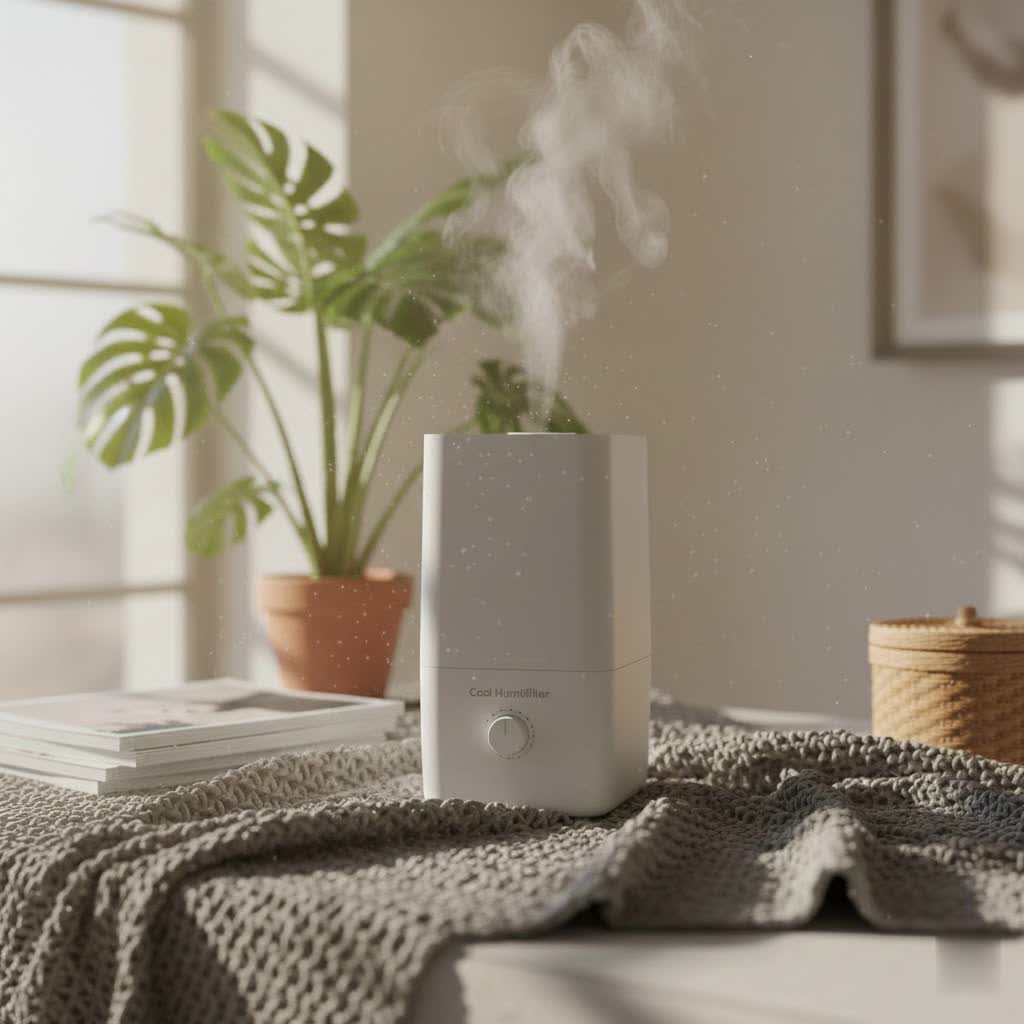
A cool mist humidifier is an appliance that releases a fine, room-temperature mist into the air, increasing indoor humidity levels. Unlike warm mist humidifiers that heat water to produce steam, cool mist versions disperse moisture without raising the room’s temperature, making them safe for use around children and pets as there’s no burn risk.
The primary benefit of a cool mist humidifier for coughs lies in its ability to alleviate dryness and irritation in the respiratory system. When the air is dry, your nasal passages and throat can become parched and inflamed, triggering or worsening a cough. The added moisture from a humidifier helps to:
- Soothe Irritation: Moist air calms dry, scratchy throats and irritated airways, reducing the urge to cough.
- Thin Mucus: Dryness can make mucus thick and sticky, making it difficult to expel. Humidified air helps to thin this mucus, allowing for more productive coughing and easier clearing of congestion.
- Improve Breathing: By keeping nasal passages and airways moist, cool mist humidifiers can make breathing feel more comfortable, especially during sleep, and help reduce nighttime coughing.
Anyone suffering from dry coughs, congestion, seasonal allergies, or colds can benefit from a cool mist humidifier. They are particularly recommended for children with upper respiratory infections, as the humidified air can ease breathing difficulties and coughing that often intensify at night.
Types of Cool Mist Humidifiers on the Market
Cool mist humidifiers generally come in two main types, each with its own mechanism for dispersing moisture:
Ultrasonic Humidifiers
Ultrasonic humidifiers use a high-frequency vibrating diaphragm to create a superfine, cool mist that is then released into the room.
- Pros: They are typically very quiet, energy-efficient, and often do not require a filter. Many models include convenient features like essential oil diffusers and smart connectivity.
- Cons: Because they don’t use a filter, minerals present in tap water can be dispersed as a fine white dust on surrounding surfaces. Regular cleaning is crucial to prevent mineral buildup and bacterial growth.
|
Our Picks for the Best Cool Humidifier in 2026
As an Amazon Associate I earn from qualifying purchases.
|
||
| Num | Product | Action |
|---|---|---|
| 1 | LEVOIT Top Fill Humidifiers for Bedroom, 2.5L Tank for Large Room, Easy to Fill & Clean, 26dB Quiet Cool Mist Air Humidifier for Home Baby Nursery & Plants, Auto Shut-off and BPA-Free for Safety, 25H |

|
| 2 | MEGAWISE 3.5L Cool Mist Humidifier – Ultra-Quiet Ultrasonic Vaporizer with Top-Fill Design, Essential Oil Diffuser, 7-Color Night Light & Auto Shut-Off |
|
| 3 | Humidifiers for Bedroom - GloryAir 2.38Gal/9L Top Fill Warm & Cool Mist Humidifier for Large Room 750ft² with Auto Mode 7-Color Light, Humidistat, Quiet Humidifier for Plants Baby Adults Home & Office |
|
| 4 | AquaOasis® Cool Mist Humidifier (2.2L Water Tank) Quiet Ultrasonic Humidifiers for Bedroom & Large room - Adjustable -360 Rotation Nozzle, Auto-Shut Off, Humidifiers for Babies Nursery & Whole House |
|
| 5 | Clarston 2L Cool Mist Humidifier for Bedroom with 360° Adjustable Nozzle, High and Low Mist Levels, Ultra-Low Noise, Light-Off, No BPA, Auto Shut Off, Ideal Baby Humidifier with Easy Top Filling |
|
| 6 | Dreo Humidifiers for Bedroom, 4L Top Fill for Large Room, 36H Runtime, 28 dB Quiet Supersized Cool Mist Air Humidifier for Baby Nursery, Plants, Indoor, Night Light, Easy to Clean & Fill, White |
|
| 7 | Homvana Humidifiers for Bedroom Home, 3.6 L Cool Mist Top-Fill 34H Super Long Time, Quiet 23dB, Baby Humidifier, Oil Diffuser for Large Room, House, Plant, Nursery, Office, BPA FREE, Ultrasonic (Grey) |
|
| 8 | Dreo Smart Humidifiers for Bedroom, Top Fill 4L Supersized Humidifier Large Room with 28 dB, 36H Runtime, Touch/APP/Voice Control, Nightlight, Cool Mist Humidifiers for Baby, Plants, Indoor, Black |
|
| 9 | Humidifiers for Bedroom Large Room, 2.5L Cool Mist Humidifier with Essential Oil Diffuser, Top Fill Humidifier for Baby, Home, Plant, Ultrasonic Humidification for whole house, Auto Shut-Off |
|
| 10 | Humidifiers for Bedroom, 2.0L Cool Mist Humidifier for Home Plant and Baby Nursery, Quiet Ultrasonic Humidifier with 360° Nozzle, Auto Shut-Off, Filterless, Black |
|
Evaporative Humidifiers
Evaporative humidifiers utilize a fan to draw air through a moistened wick or filter. As the water evaporates from the filter, it adds moisture to the air.
- Pros: The filter naturally traps minerals, reducing the likelihood of white dust. They are often self-regulating, adding moisture only until the desired humidity level is reached.
- Cons: The fan can create some ambient noise, which might be a concern for light sleepers. Filters need to be regularly cleaned or replaced, incurring ongoing costs and maintenance.
Both ultrasonic and evaporative cool mist humidifiers are effective at adding moisture to the air, and the choice between them often comes down to personal preference regarding noise level, maintenance, and the presence of white dust.
Top Cool Humidifiers Favored Today
Choosing the right cool mist humidifier can make a significant difference in alleviating cough symptoms. Here are some of the top-rated models that stand out for their performance, features, and user-friendliness:
Levoit OasisMist Smart Humidifier
Best Overall
This versatile humidifier offers both cool and warm mist options and can be controlled via an app, allowing for customized settings and timers. It includes a dedicated tray for essential oils, making it a multi-functional device. Users appreciate its ease of setup and quiet operation, although some testing indicated it retained more bacteria than other models, emphasizing the need for diligent cleaning.
- Type: Ultrasonic (Dual Mist)
- Capacity: 1.18 gallons
- Max Room Size: 430 sq. ft.
- Run Time: Up to 45 hours
- Key Features: Smart app control, essential oil diffuser, easy top-fill design.
Levoit Dual 150 Ultrasonic Cool Mist Humidifier
Best Budget Option
An excellent choice for those seeking an affordable yet effective humidifier. It features a top-fill tank for convenient refills and includes an essential oil diffuser. This model delivers a noticeable increase in room humidity while operating quietly. While cleaning requires some disassembly, its effectiveness and quiet performance make it ideal for bedrooms.
- Type: Ultrasonic
- Capacity: 0.79 gallons
- Max Room Size: 290 sq. ft.
- Run Time: Up to 25 hours
- Key Features: Top-fill, 360-degree rotating nozzle, essential oil diffuser.
Vicks 3-in-1 SleepyTime Humidifier
Best for Bedrooms
Designed with sleep in mind, this humidifier is perfect for bedroom use, especially when dealing with cold or allergy symptoms. It effectively humidifies rooms up to 300 square feet and features a built-in night-light with seven color options. It’s compatible with Vicks VapoPads or essential oils for added relief and is praised for its quiet operation and easy cleaning due to its small size.
- Type: Ultrasonic
- Capacity: 0.6 gallons
- Max Room Size: 100 to 300 sq. ft.
- Run Time: Up to 24 hours
- Key Features: Night-light, VapoPad compatible, easy to fill and clean.
Lacidoll Cool Mist Ultrasonic Whole House Humidifier
Best for Large Rooms
For extensive areas, the Lacidoll humidifier is a powerful choice, covering up to 1,000 square feet with its 4.2-gallon capacity. It boasts an essential oil diffuser tray and a UV light for water sterilization, ensuring a cleaner mist. The digital display and remote control add to its convenience, making it suitable for open-plan living spaces.
- Type: Ultrasonic
- Capacity: 4.2 gallons
- Max Room Size: Up to 1,000 sq. ft.
- Run Time: Up to 60 hours
- Key Features: Large capacity, essential oil diffuser, UV sterilization, digital display, remote control.
Vornado EV3 Whole Room Evaporative Humidifier
Best for Coughs and Congestion
This evaporative humidifier intelligently adjusts to your environment’s needs, automatically maintaining optimal humidity levels without over-humidifying. Its nearly silent operation and energy-efficient design make it an excellent choice for consistent relief from coughs and congestion. While it has a larger footprint, its automatic functionality and effectiveness are highly valued.
- Type: Evaporative
- Capacity: 1.5 gallons
- Max Room Size: 670 sq. ft.
- Run Time: Varies (auto-adjusts)
- Key Features: Automatic humidity adjustment, quiet, energy-efficient, top-fill.
Pure Enrichment PureBaby Cloud Humidifier
Best for Nurseries
This charming cloud-shaped humidifier is ideal for a baby’s room. It features a gentle night-light and is designed for ease of cleaning, a critical factor for nursery hygiene. Although not as powerful as some larger models, it effectively adds enough moisture to make a child’s room more comfortable and helps alleviate congestion during sleep.
- Type: Ultrasonic
- Capacity: 0.47 gallons
- Max Room Size: 250 sq. ft.
- Run Time: Up to 24 hours
- Key Features: Cute design, night-light, easy cleaning, auto shut-off.
Comparison Table of Leading Cool Humidifiers
| Product Name | Type | Capacity | Max Room Size | Run Time | Key Features | Pros | Cons |
|---|---|---|---|---|---|---|---|
| Levoit OasisMist Smart Humidifier | Ultrasonic | 1.18 gal | 430 sq. ft. | Up to 45 hrs | Smart app, dual mist, essential oil diffuser | App control, easy setup, quiet, effective for scent diffusion | Retained more bacteria in testing, descaling can take time |
| Levoit Dual 150 Ultrasonic Cool Mist | Ultrasonic | 0.79 gal | 290 sq. ft. | Up to 25 hrs | Top-fill, 360-degree nozzle, essential oil diffuser | Budget-friendly, quiet, effective humidification, easy top-fill | Cleaning can be time-consuming (50 mins) |
| Vicks 3-in-1 SleepyTime Humidifier | Ultrasonic | 0.6 gal | 300 sq. ft. | Up to 24 hrs | Night-light, VapoPad compatible, essential oil diffuser | Night-light, VapoPad/essential oil compatibility, quiet, easy to clean, good for small rooms | Easy to overfill, smaller capacity might need refilling for full night on high setting |
| Lacidoll Cool Mist Ultrasonic Whole House | Ultrasonic | 4.2 gal | 1000 sq. ft. | Up to 60 hrs | Large capacity, essential oil tray, UV light, remote | Ideal for large rooms, long run time, UV light, digital display/remote | Large footprint, small viewing window for water level, refilling can be cumbersome due to size |
| Vornado EV3 Whole Room Evaporative | Evaporative | 1.5 gal | 670 sq. ft. | Auto | Automatic humidity adjustment, energy-efficient | Automatically adjusts humidity, nearly silent, effective for cough/congestion | Large footprint, tank can be difficult to clean |
| Pure Enrichment PureBaby Cloud Humidifier | Ultrasonic | 0.47 gal | 250 sq. ft. | Up to 24 hrs | Cloud design, night-light | Cute design, gentle night-light, easy to clean, quiet, good for nurseries | Less powerful than other models, small opening can make cleaning buildup tricky after prolonged disuse |
Guide to Choosing the Right Cool Humidifier
Selecting the best cool mist humidifier involves considering several factors to ensure it meets your specific needs and provides optimal relief for your cough.
Room Size and Capacity
Matching the humidifier’s capacity to your room size is crucial. An undersized unit won’t effectively humidify the space, while an oversized one can lead to excessive humidity, promoting mold and mildew growth. For rooms around 300 square feet, a capacity of about 1.5 gallons is generally suitable. Larger rooms (up to 1,000 sq. ft. or more) will require units with capacities of 2 gallons or more.
Cool Mist vs. Warm Mist (Safety First)
While both types add moisture, cool mist humidifiers are universally recommended, especially in homes with children or pets, due to the absence of hot water or steam that poses a burn risk. By the time mist reaches your airways, its temperature difference is negligible.
Essential Features to Consider
- Built-in Hygrometer: This feature helps monitor the room’s humidity levels, allowing you to maintain the ideal range of 40-60%.
- Auto Shut-off: A safety feature that turns the unit off when the water tank is empty, preventing damage and conserving energy.
- Night Lights: Beneficial for bedrooms, particularly in children’s rooms, offering a gentle glow.
- Essential Oil Diffusers: If you enjoy aromatherapy, choose models with a dedicated diffuser tray to safely disperse scents without compromising the humidifier’s mechanics or irritating your respiratory tract.
- Smart Connectivity: Allows for remote control, scheduling, and monitoring via an app, adding convenience.
- Top-Fill Design: Simplifies the refilling process, making it less messy.
Noise Level
For bedroom use, a quiet humidifier is paramount. Ultrasonic models are generally known for their whisper-quiet operation, while evaporative types with fans might produce a subtle hum.
Ease of Cleaning
Regular cleaning is non-negotiable for any humidifier. Prioritize models that are easy to disassemble, clean thoroughly, and dry to prevent the buildup of mold, bacteria, and mineral deposits. Stainless steel tanks are known for their mold resistance and ease of cleaning.
Water Type
Always use distilled or demineralized water instead of tap water. Tap water contains minerals that can lead to white dust (especially with ultrasonic models) and encourage bacterial growth, which can then be dispersed into the air, potentially worsening respiratory issues.
Proper Use and Maintenance of Your Cool Humidifier
To maximize the benefits of your cool mist humidifier for cough relief and ensure a healthy environment, proper usage and diligent maintenance are critical.
Safe and Effective Use
- Optimal Placement: Position your humidifier on a flat, elevated surface several feet away from your bed, walls, and furniture. This prevents direct moisture saturation and allows for even distribution of mist.
- Maintain Ideal Humidity Levels: Aim for indoor humidity between 40-60%. Use a hygrometer to monitor this. Over-humidification (above 60%) can create a breeding ground for dust mites and mold, which can aggravate allergies and respiratory problems.
- Run Time: It’s generally safe to run your humidifier during waking hours or at night for several hours. Avoid running it non-stop without breaks to prevent over-humidification.
- Avoid Essential Oils in Water Tank: Unless your humidifier has a specific essential oil tray, do not add essential oils directly to the water tank. This can damage the unit and release irritants into the air.
Regular Cleaning and Maintenance
Consistent cleaning is the most important aspect of humidifier ownership to prevent the dispersal of harmful microbes.
- Daily Water Change: Empty the water tank daily and refill it with fresh, distilled or demineralized water. Do not let standing water sit in the tank, as it encourages bacterial growth.
- Frequent Cleaning: Clean your humidifier thoroughly every one to three days.
- Disassemble: Unplug the unit and take apart all removable components (tank, base, cap, filter if applicable).
- Clean: Scrub the tank and base with a brush and a solution of white vinegar or a hydrogen peroxide solution to remove any film, mineral deposits, or buildup.
- Rinse: Rinse all components thoroughly with clean water to remove any cleaning solution residue.
- Dry: Ensure all parts are completely dry before reassembling the unit to inhibit mold growth.
- Filter Replacement: If your humidifier uses a filter, replace it according to the manufacturer’s recommendations (typically every 1-2 months) or when it appears discolored.
- Descaling: Periodically descale your humidifier to remove stubborn mineral deposits, usually by soaking components in a vinegar solution as per manufacturer instructions.
> “Using distilled water and cleaning your humidifier regularly are paramount to your health. These steps prevent the release of harmful bacteria and minerals into your breathing air.” – Omar Waqar, M.D., Allergist at ENT and Allergy Associates
Conclusion
A cool mist humidifier can be a game-changer for anyone struggling with coughs, especially those exacerbated by dry air. By introducing a fine, soothing mist, these devices work to thin mucus, calm irritated airways, and promote more comfortable breathing. With various types and models available, from compact bedroom units to whole-house systems, there’s a cool mist humidifier to suit every need. Remember, the key to unlocking these benefits and ensuring a healthy home environment lies in selecting the right unit for your space and committing to a rigorous cleaning and maintenance routine. Invest in a cool mist humidifier and experience the relief of breathing easier.
Are you ready to transform your indoor air quality and finally find lasting relief from your cough?
Frequently Asked Questions
Do cool mist humidifiers actually make a room colder?
Despite their “cool mist” name, these humidifiers do not significantly lower the room temperature. They disperse water at room temperature, and any mild cooling effect from evaporation is generally imperceptible, especially in larger rooms.
Can using a humidifier make my cough worse?
Yes, a humidifier can potentially worsen a cough if not used correctly. Over-humidification (above 60% relative humidity) can promote the growth of mold and dust mites, which are common allergens and irritants that can aggravate respiratory symptoms. Additionally, if the humidifier is not cleaned regularly, it can disperse bacteria and mold into the air, leading to health issues.
How often should I clean my cool mist humidifier?
It is crucial to clean your cool mist humidifier every one to three days. The water tank should be emptied and dried daily, and all components should be thoroughly scrubbed with a vinegar or hydrogen peroxide solution, rinsed, and dried completely before each use to prevent the buildup of bacteria, mold, and mineral deposits.
