Waking up with a dry, scratchy throat and a persistent cough can disrupt your sleep and leave you feeling miserable. If you’re tired of that nagging dry cough, especially one that seems to worsen at night, a cool mist humidifier might be the simple yet effective solution you’ve been searching for. These devices introduce soothing moisture into your indoor environment, directly addressing the dry air that often exacerbates respiratory irritation. By understanding how they work and choosing the right model, you can transform your bedroom into a sanctuary of comfort and finally find lasting relief.
What is a Cool Mist Humidifier and Why You Need It for Dry Cough?
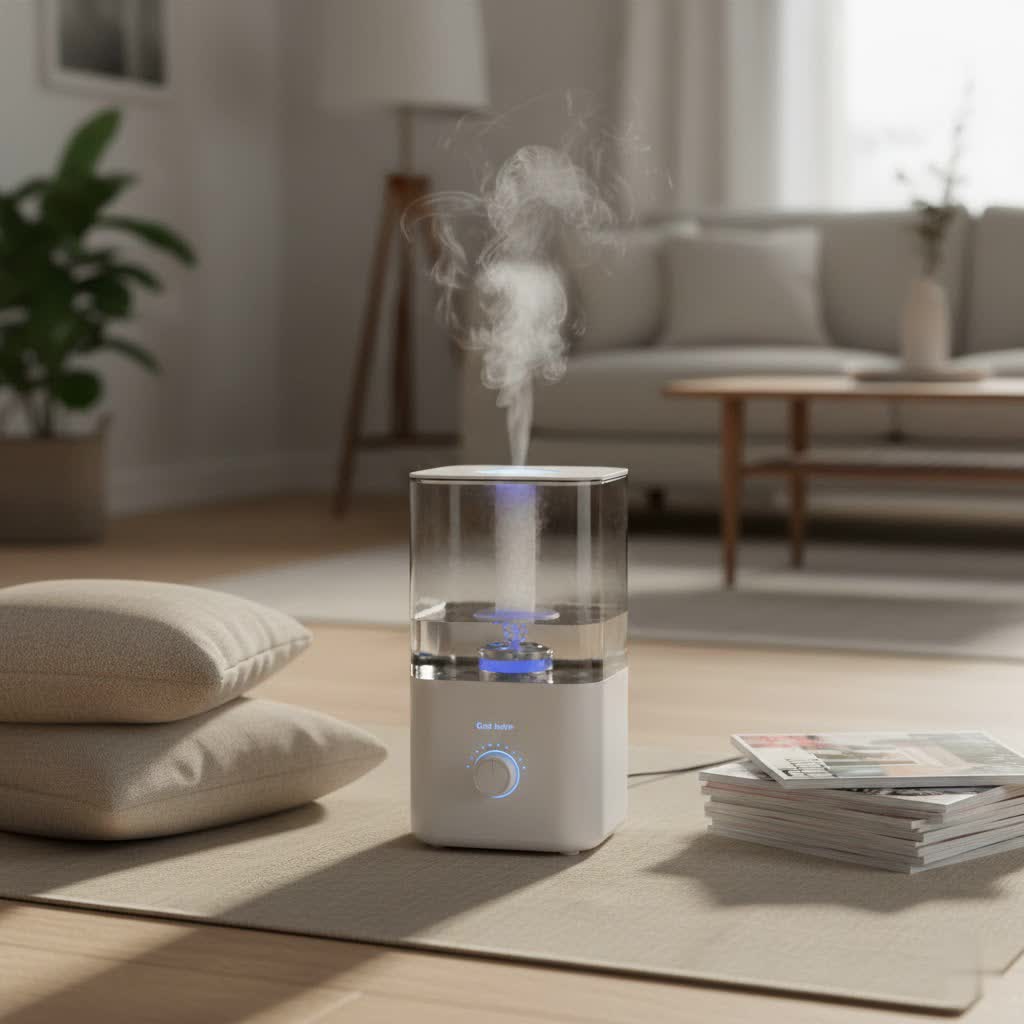
A cool mist humidifier is an electrical appliance designed to increase the moisture content in the air by releasing room-temperature water vapor. Unlike warm mist humidifiers that boil water, cool mist versions use various methods to disperse a fine, cool mist into your living space, making them a popular choice for year-round use and particularly beneficial for alleviating dry coughs.
The primary reason a cool mist humidifier is effective for a dry cough is its ability to combat dry air. Dry air can irritate your nasal passages, throat, and even lungs, leading to a sensation of dryness and a persistent urge to cough. When airways become dry, the protective mucus lining can thicken, making it harder for your body to clear irritants and leading to an unproductive, hacking cough.
Introducing moisture into the air with a cool mist humidifier offers several key benefits:
- Soothing Irritation: The cool, moist air lubricates your airways, instantly soothing dry and irritated nasal passages and throats. This can significantly reduce the tickle that often triggers a dry cough.
- Thinning Mucus: By increasing humidity, the humidifier helps thin out thick, sticky mucus, making it easier to expel. This can make your cough more productive and less irritating.
- Easier Breathing: Moist air can reduce inflammation in the airways, making breathing more comfortable. This is especially beneficial at night, as improved airflow can minimize nighttime coughing episodes that disrupt sleep.
- Safer for All Ages: Cool mist humidifiers produce no hot water or steam, eliminating the risk of burns. This makes them a much safer option for households with children and pets.
Individuals living in dry climates, those using indoor heating systems that strip moisture from the air, or anyone experiencing a cough due to dry airways can benefit greatly from a cool mist humidifier.
Types of Cool Mist Humidifiers
Cool mist humidifiers come in various designs, each employing a different technology to produce a refreshing mist. Understanding these types can help you choose the best model for your specific needs.
Ultrasonic Humidifiers
Ultrasonic humidifiers are among the most popular cool mist options. They utilize a high-frequency vibrating plate (nebulizer) to break water into an ultra-fine mist, which is then dispersed into the air.
- Pros:
- Quiet Operation: They are typically very quiet, often described as whisper-quiet, making them ideal for bedrooms and nurseries.
- No Filter Option: Many ultrasonic models are filter-free, reducing ongoing replacement costs.
- Energy Efficient: They generally consume less electricity compared to warm mist models.
- Cons:
- “White Dust”: If you use tap water with high mineral content, ultrasonic humidifiers can release fine white mineral dust into the air, which can settle on furniture. This can be mitigated by using distilled or demineralized water.
- Potential for Bacteria Spread: Since the water is not heated, there’s a higher risk of dispersing bacteria or mold into the air if the unit is not cleaned regularly.
|
Our Picks for the Best Cool Humidifier in 2026
As an Amazon Associate I earn from qualifying purchases.
|
||
| Num | Product | Action |
|---|---|---|
| 1 | Humidifiers for Bedroom, 2.0L Cool Mist Humidifier for Home Plant and Baby Nursery, Quiet Ultrasonic Humidifier with 360° Nozzle, Auto Shut-Off, Filterless, Black |

|
| 2 | Humidifiers for Bedroom Large Room, 2.5L Cool Mist Humidifier with Essential Oil Diffuser, Top Fill Humidifier for Baby, Home, Plant, Ultrasonic Humidification for whole house, Auto Shut-Off |
|
| 3 | Homvana Humidifiers for Bedroom Home, 3.6 L Cool Mist Top-Fill 34H Super Long Time, Quiet 23dB, Baby Humidifier, Oil Diffuser for Large Room, House, Plant, Nursery, Office, BPA FREE, Ultrasonic (Grey) |
|
| 4 | Clarston 2L Cool Mist Humidifier for Bedroom with 360° Adjustable Nozzle, High and Low Mist Levels, Ultra-Low Noise, Light-Off, No BPA, Auto Shut Off, Ideal Baby Humidifier with Easy Top Filling |
|
| 5 | Dreo Smart Humidifiers for Bedroom, Top Fill 4L Supersized Humidifier Large Room with 28 dB, 36H Runtime, Touch/APP/Voice Control, Nightlight, Cool Mist Humidifiers for Baby, Plants, Indoor, Black |
|
| 6 | LEVOIT Top Fill Humidifiers for Bedroom, 2.5L Tank for Large Room, Easy to Fill & Clean, 26dB Quiet Cool Mist Air Humidifier for Home Baby Nursery & Plants, Auto Shut-off and BPA-Free for Safety, 25H |
|
| 7 | Dreo Humidifiers for Bedroom, 4L Top Fill for Large Room, 36H Runtime, 28 dB Quiet Supersized Cool Mist Air Humidifier for Baby Nursery, Plants, Indoor, Night Light, Easy to Clean & Fill, White |
|
| 8 | MEGAWISE 3.5L Cool Mist Humidifier – Ultra-Quiet Ultrasonic Vaporizer with Top-Fill Design, Essential Oil Diffuser, 7-Color Night Light & Auto Shut-Off |
|
| 9 | AquaOasis® Cool Mist Humidifier (2.2L Water Tank) Quiet Ultrasonic Humidifiers for Bedroom & Large room - Adjustable -360 Rotation Nozzle, Auto-Shut Off, Humidifiers for Babies Nursery & Whole House |
|
| 10 | Humidifiers for Bedroom - GloryAir 2.38Gal/9L Top Fill Warm & Cool Mist Humidifier for Large Room 750ft² with Auto Mode 7-Color Light, Humidistat, Quiet Humidifier for Plants Baby Adults Home & Office |
|
Evaporative Humidifiers
Evaporative humidifiers use a fan to draw dry air through a moistened wick filter. As air passes over the wet wick, water naturally evaporates into the air, and the fan then blows this humidified air into the room.
- Pros:
- Natural Humidification: The evaporation process is self-regulating; it won’t over-humidify a room.
- No White Dust: As water evaporates, minerals are left behind in the wick, preventing white dust.
- Less Mold/Mildew in Room: Less likely to cause excessive condensation on surfaces compared to some ultrasonic models.
- Cons:
- Noisier: The fan can create a noticeable hum, which might be a concern for light sleepers.
- Filter Replacement: Wicks need regular replacement (typically every 30-60 days) to prevent mineral buildup and bacterial growth, incurring ongoing costs.
- Lower Mist Visibility: The mist isn’t as visible as ultrasonic models, which some users prefer or dislike.
Impeller Humidifiers
Impeller humidifiers use a high-speed rotating disk to launch water at a diffuser, breaking it into tiny droplets that then become a cool mist. While less common than ultrasonic or evaporative types, they also offer a cool mist solution.
- Pros:
- No heating element, making them safe.
- Generally energy-efficient.
- Cons:
- Can be noisy due to the motor and rotating disk.
- Similar to ultrasonic models, they can produce white dust if tap water is used.
Cool Mist vs. Warm Mist for Dry Cough: Making the Right Choice
When it comes to relieving a dry cough, both cool mist and warm mist humidifiers can be effective in adding moisture to the air. However, several factors make cool mist humidifiers often the preferred choice, especially for specific situations.
Effectiveness: Both types effectively increase humidity, which in turn helps to soothe irritated airways and thin mucus. The temperature of the mist has little impact on the humidity once it reaches your lower airways. Therefore, from a purely humidification standpoint, both are equally capable.
Safety: This is where cool mist humidifiers hold a significant advantage. Warm mist humidifiers operate by boiling water, which creates hot steam. This presents a burn hazard if the unit is tipped over or if a child or pet gets too close to the hot vapor. For this reason, pediatricians and safety experts strongly recommend cool mist humidifiers for homes with babies, young children, or pets.
Other Considerations:
- Energy Efficiency: Cool mist humidifiers generally use less electricity as they don’t have to heat water.
- Seasonal Comfort: Cool mist can be refreshing, especially during warmer months or if you tend to feel hot while sleeping. Warm mist can offer a comforting warmth during colder seasons.
- Noise Level: As noted, evaporative cool mist humidifiers can be noisier due to fans, while ultrasonic cool mist humidifiers are often very quiet. Some warm mist humidifiers can also be quiet.
- Cleaning: Both types require diligent cleaning to prevent mold and bacteria. Warm mist humidifiers’ boiling action can reduce some airborne germs, but the units themselves still need regular maintenance. Cool mist humidifiers, particularly ultrasonic models, may accumulate bacteria more readily if not cleaned frequently.
For individuals seeking relief from a dry cough, particularly if safety for children or pets is a concern, or if you prefer a more energy-efficient option suitable for year-round use, a cool mist humidifier is an excellent choice.
Top Cool Mist Humidifiers for Dry Cough Relief
Choosing the right cool mist humidifier can make a significant difference in your comfort. Here are some of the most popular and highly-rated models known for their effectiveness in soothing dry coughs:
1. Levoit Classic 300S Smart Ultrasonic Cool Mist Humidifier
This smart humidifier is a favorite for its large capacity and quiet operation. It features smart controls via an app, a built-in humidistat, and a large tank for extended run times.
- Pros: Very quiet, smart features (app control, auto mode), large tank (up to 60 hours run time), top-fill design for easy refills.
- Cons: Requires diligent cleaning to prevent mineral buildup and potential white dust if using tap water.
2. Vicks Filter Free Plus Cool Mist Ultrasonic Humidifier
Vicks is a well-known name in respiratory relief, and their cool mist humidifier is designed with cough and cold symptoms in mind. It’s often praised for its simplicity and the option to use VapoPads for added soothing vapors.
- Pros: Filter-free design, quiet ultrasonic operation, easy to clean, compatible with Vicks VapoPads for aromatherapy benefits.
- Cons: Smaller tank capacity may require more frequent refills, can still produce white dust with hard water.
3. Pure Enrichment MistAire Ultrasonic Cool Mist Humidifier
This compact and stylish humidifier is a popular choice for bedrooms and smaller spaces due to its ultra-quiet operation and simple design.
- Pros: Ultra-quiet, compact and space-saving, auto-shutoff feature, easy to clean, offers up to 25 hours of continuous operation on a low setting.
- Cons: Best suited for smaller rooms, may produce white dust.
4. Honeywell HUL520B Cool Mist Humidifier
Honeywell is a trusted brand for home comfort, and their cool mist humidifier is often recommended for its reliability and efficiency.
- Pros: Compact, quiet, adjustable mist output, easy to fill and clean.
- Cons: Tank capacity might be smaller for larger rooms, can be susceptible to mineral buildup.
5. Crane Ultrasonic Teardrop Cool Mist Humidifier
Known for its distinctive teardrop design and vibrant colors, Crane humidifiers are popular for nurseries and kids’ rooms.
- Pros: Visually appealing, quiet operation, large tank capacity for longer run times, filter-free, auto-shutoff safety feature.
- Cons: Can be more challenging to clean due to its shape, may produce white dust.
Choosing the Best Cool Mist Humidifier for Your Needs (Buying Guide)
Selecting the ideal cool mist humidifier involves considering several factors to ensure it perfectly matches your lifestyle and provides the best relief for your dry cough.
1. Room Size and Coverage Area
Humidifiers are designed for specific room sizes, typically measured in square feet. A small personal humidifier won’t be effective in a large living room. Always check the manufacturer’s specifications to ensure the unit can adequately humidify your space. For a bedroom where a dry cough is often most troublesome, a medium-sized unit is usually sufficient.
2. Noise Level
If you’re a light sleeper, the operating noise of a humidifier is crucial. Ultrasonic cool mist humidifiers are generally the quietest, often producing only a gentle hum or gurgle. Evaporative models, which use a fan, will be noticeably louder. Look for decibel ratings if available or reviews that specifically mention noise levels.
3. Tank Capacity and Run Time
A larger water tank means longer operation between refills. For overnight relief from a dry cough, aim for a humidifier with a tank capacity that allows for at least 8-10 hours of continuous use on a medium setting. Many models offer 24-hour run times or more.
4. Ease of Cleaning and Maintenance
This is perhaps the most critical factor for health and longevity. Humidifiers that are difficult to clean are prone to mold and bacteria growth, which can worsen respiratory symptoms. Look for:
- Wide tank openings: For easy access to scrub the interior.
- Fewer nooks and crannies: Simple designs are easier to clean thoroughly.
- Dishwasher-safe parts: Some models offer this convenience.
- Filter-free designs: Reduce ongoing costs and the hassle of filter replacement.
5. Special Features
- Built-in Humidistat: Automatically maintains a desired humidity level, preventing over-humidification which can encourage mold growth.
- Auto-Shutoff: A safety feature that turns the unit off when the water tank is empty.
- Night Light: Beneficial for nurseries or bedrooms.
- Essential Oil Diffuser: Some models include a separate tray for essential oils. Use caution, as direct addition to the water tank can damage the unit and may irritate sensitive airways.
- Smart Features: App control, integration with smart home systems, and scheduling features.
6. Budget and Warranty
Humidifiers range widely in price. Determine your budget but consider the long-term value, including filter costs if applicable. A good warranty provides peace of mind.
Tips for Specific Users:
- For Children/Babies: Always opt for a cool mist humidifier due to burn safety. Prioritize quiet operation and easy cleaning.
- For Allergy Sufferers: Ensure the unit is easy to clean thoroughly to prevent mold and dust mite proliferation, which can trigger allergies. Maintain humidity levels between 30-50%.
- For Dry Climates: Consider a larger capacity unit that can run continuously for longer periods.
Proper Use and Maintenance for Your Cool Mist Humidifier
To ensure your cool mist humidifier effectively alleviates your dry cough and operates safely, proper usage and diligent maintenance are essential. Neglecting cleaning can lead to the growth of mold and bacteria, which can then be dispersed into the air, potentially worsening respiratory conditions or causing “humidifier fever.”
Daily Routine: Keeping it Fresh
- Empty and Rinse: Each day, unplug your humidifier, empty any remaining water from the tank and base, and rinse them thoroughly with fresh water. This prevents stagnant water, which is a breeding ground for microbes.
- Refill with Fresh Water: Always refill the tank with fresh, clean water before each use.
- Use Distilled or Demineralized Water: Tap water contains minerals that can cause “white dust” (a fine powder of mineral deposits) with ultrasonic humidifiers. These minerals can also build up on internal components, reducing efficiency and promoting bacterial growth. Using distilled or demineralized water helps prevent this.
Weekly Deep Cleaning: Battling Buildup
Once a week, or more frequently if you use it daily or notice buildup, perform a thorough cleaning:
- Unplug and Disassemble: Ensure the unit is unplugged and take apart all removable components (tank, base, trays, wicks/filters if applicable).
- Descale (Remove Mineral Deposits):
- Fill the water tank with 1-2 cups of undiluted white vinegar and pour some into the base to cover any mineral buildup on the heating element or nebulizer.
- Let it soak for at least 20-30 minutes, or longer for heavy buildup. Never turn the unit on during this process.
- Use a soft brush or sponge to gently scrub away any mineral deposits.
- Rinse all parts thoroughly with clean water until the vinegar smell is gone.
- Disinfect (Kill Bacteria and Mold):
- Mix 1 teaspoon of bleach with 1 gallon of water.
- Pour a small amount of this solution into the tank and swish it around to coat all surfaces. Fill the base with the solution.
- Let it soak for about 20 minutes.
- Empty the solution and rinse all parts meticulously until there is no bleach smell remaining. You can also use a hydrogen peroxide solution as an alternative to bleach.
- Dry Completely: Allow all components to air dry completely before reassembling the humidifier.
Filter Maintenance
If your cool mist humidifier uses a filter or wick, follow the manufacturer’s recommendations for replacement, typically every 30-60 days. Never attempt to clean a filter with chemicals or soaps, as this can damage it and release harmful substances into the air. If a filter appears discolored, smells “off,” or has visible mold, replace it immediately.
Maintaining Optimal Humidity Levels
Aim to keep your indoor humidity level between 30% and 50%. You can monitor this with a hygrometer (often built into smart humidifiers or available separately). Over-humidifying can create an environment conducive to mold, dust mites, and other allergens, potentially worsening your dry cough rather than improving it.
“The key to effective humidification is consistent maintenance and monitoring to ensure you’re adding clean moisture at the right level,” advises a respiratory health expert.
Caution with Essential Oils
Unless your humidifier has a dedicated essential oil diffuser tray, avoid adding essential oils directly to the water tank. Oils can damage plastic components and may release chemicals that can irritate sensitive respiratory tracts, particularly for individuals with asthma or allergies.
Conclusion
A cool mist humidifier can be a powerful ally in your fight against a dry, irritating cough, offering much-needed relief and promoting more restful sleep. By adding essential moisture back into your indoor air, these devices soothe irritated airways, thin mucus, and make breathing easier, especially during the dry months or in arid climates. From understanding the differences between ultrasonic and evaporative models to choosing the perfect unit for your space and committing to a diligent cleaning routine, you now have the knowledge to harness the full benefits of humidification. Don’t let a dry cough dictate your comfort any longer; embrace the soothing power of a cool mist humidifier.
Are you ready to experience the difference a cool mist humidifier can make for your dry cough?
Frequently Asked Questions
Can a cool mist humidifier worsen a cough?
While generally beneficial, a cool mist humidifier can worsen a cough if not properly maintained. Dirty humidifiers can disperse mold and bacteria into the air, irritating airways and potentially causing “humidifier fever” or worsening existing respiratory conditions like asthma. Regular cleaning and using distilled water are crucial for safe operation.
How long should I run a cool mist humidifier for a dry cough?
For dry cough relief, especially at night, it’s beneficial to run a cool mist humidifier for several hours or continuously overnight in the affected room. However, monitor the humidity levels with a hygrometer, aiming for 30-50%. Over-humidifying can promote mold growth, so adjust the run time as needed.
What type of water should I use in my cool mist humidifier?
It is strongly recommended to use distilled or demineralized water in your cool mist humidifier. Tap water contains minerals that can create white dust (mineral deposits) in the air, clog the humidifier’s components, and foster bacterial growth. Distilled water helps maintain the unit’s efficiency and ensures cleaner mist.
Are cool mist humidifiers safe for babies with dry cough?
Yes, cool mist humidifiers are generally considered safe and are often recommended by pediatricians for babies and young children with dry coughs or congestion. Unlike warm mist humidifiers, they pose no burn risk from hot water or steam. Always ensure the unit is clean and filled with fresh, distilled water for your baby’s safety.
