Waking up with a blocked nose can ruin your day before it even begins. That persistent feeling of stuffiness, difficulty breathing, and disrupted sleep are common complaints, especially during dry seasons or when battling a cold, allergies, or sinusitis. If you’ve ever found yourself struggling through these symptoms, a simple yet effective solution might be closer than you think: the cool mist humidifier. This article will delve into how these devices can transform your indoor air quality and offer much-needed relief from nasal congestion, helping you breathe easier and sleep more soundly.
What is a Cool Mist Humidifier and Why Do You Need It for a Stuffy Nose?
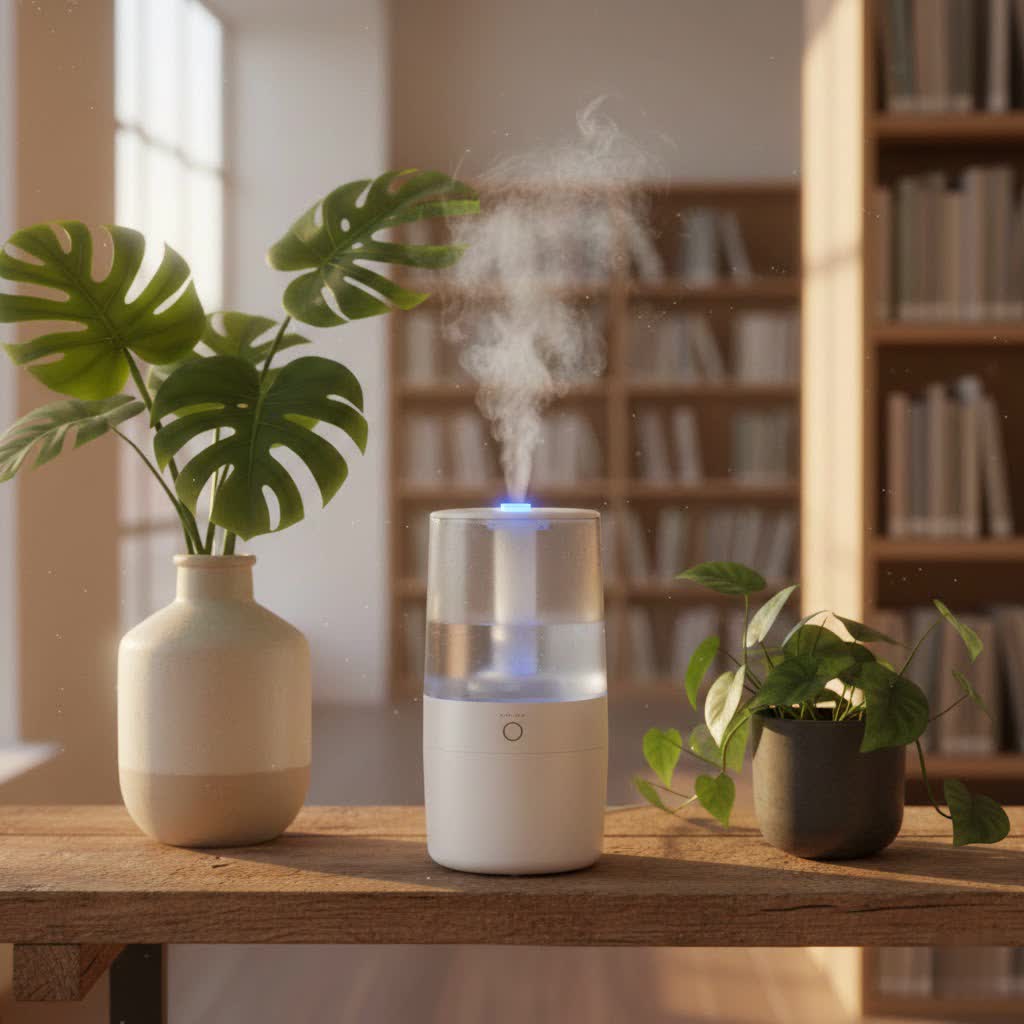
A cool mist humidifier is an appliance designed to release a fine, cool water vapor into the air, increasing the humidity level in a room without raising the temperature. Unlike warm mist humidifiers that boil water to produce steam, cool mist models use either ultrasonic vibrations or a fan to disperse moisture at room temperature. This added moisture is a game-changer for a stuffy nose.
When the air around you is dry, your nasal passages can become dry and irritated. This dryness can thicken mucus, making it sticky and difficult to clear, leading to that uncomfortable feeling of congestion and pressure. A cool mist humidifier counters this by:
- Moisturizing Nasal Passages: The fine mist hydrates the mucous membranes lining your nose and sinuses, preventing them from drying out and reducing irritation. This helps to soothe inflamed airways.
- Thinning Mucus: By increasing the moisture in the air you breathe, the humidifier helps to thin out thick, sticky mucus. Thinner mucus can drain more easily, clearing your nasal passages and alleviating congestion and sinus pressure.
- Promoting Easier Breathing and Better Sleep: With moisturized airways and thinner mucus, breathing becomes less labored. This can significantly improve comfort, especially at night, allowing for more restful and uninterrupted sleep when you’re feeling under the weather.
- Reducing Airborne Irritants: Some cool mist humidifiers can help settle dust and other airborne irritants, which can be beneficial for individuals whose congestion is triggered by allergies.
Cool mist humidifiers are particularly recommended for families with children, as they pose no burn risk from hot water or steam, making them a safer choice for nurseries and kids’ bedrooms. Anyone experiencing congestion due to dry air, colds, flu, or allergies can benefit from the gentle, soothing moisture they provide.
Types of Cool Mist Humidifiers on the Market
Cool mist humidifiers generally fall into two main categories based on how they produce and release moisture: ultrasonic and evaporative.
Ultrasonic Humidifiers
Ultrasonic humidifiers use a metal diaphragm that vibrates at an ultrasonic frequency to create microscopic water droplets, which are then dispersed into the air as a fine, cool mist.
- Pros: They are typically very quiet, making them ideal for bedrooms. They are also energy-efficient and often come in compact designs.
- Cons: These models can produce a “white dust” if you use tap water, as they disperse any minerals present in the water into the air, which can settle on furniture. This white dust can potentially irritate respiratory systems in sensitive individuals.
|
Our Picks for the Best Cool Humidifier in 2026
As an Amazon Associate I earn from qualifying purchases.
|
||
| Num | Product | Action |
|---|---|---|
| 1 | Humidifiers for Bedroom Large Room, 2.5L Cool Mist Humidifier with Essential Oil Diffuser, Top Fill Humidifier for Baby, Home, Plant, Ultrasonic Humidification for whole house, Auto Shut-Off |

|
| 2 | Dreo Humidifiers for Bedroom, 4L Top Fill for Large Room, 36H Runtime, 28 dB Quiet Supersized Cool Mist Air Humidifier for Baby Nursery, Plants, Indoor, Night Light, Easy to Clean & Fill, White |
|
| 3 | LEVOIT Top Fill Humidifiers for Bedroom, 2.5L Tank for Large Room, Easy to Fill & Clean, 26dB Quiet Cool Mist Air Humidifier for Home Baby Nursery & Plants, Auto Shut-off and BPA-Free for Safety, 25H |
|
| 4 | AquaOasis® Cool Mist Humidifier (2.2L Water Tank) Quiet Ultrasonic Humidifiers for Bedroom & Large room - Adjustable -360 Rotation Nozzle, Auto-Shut Off, Humidifiers for Babies Nursery & Whole House |
|
| 5 | MEGAWISE 3.5L Cool Mist Humidifier – Ultra-Quiet Ultrasonic Vaporizer with Top-Fill Design, Essential Oil Diffuser, 7-Color Night Light & Auto Shut-Off |
|
| 6 | Dreo Smart Humidifiers for Bedroom, Top Fill 4L Supersized Humidifier Large Room with 28 dB, 36H Runtime, Touch/APP/Voice Control, Nightlight, Cool Mist Humidifiers for Baby, Plants, Indoor, Black |
|
| 7 | Homvana Humidifiers for Bedroom Home, 3.6 L Cool Mist Top-Fill 34H Super Long Time, Quiet 23dB, Baby Humidifier, Oil Diffuser for Large Room, House, Plant, Nursery, Office, BPA FREE, Ultrasonic (Grey) |
|
| 8 | Humidifiers for Bedroom, 2.0L Cool Mist Humidifier for Home Plant and Baby Nursery, Quiet Ultrasonic Humidifier with 360° Nozzle, Auto Shut-Off, Filterless, Black |
|
| 9 | Humidifiers for Bedroom - GloryAir 2.38Gal/9L Top Fill Warm & Cool Mist Humidifier for Large Room 750ft² with Auto Mode 7-Color Light, Humidistat, Quiet Humidifier for Plants Baby Adults Home & Office |
|
| 10 | Clarston 2L Cool Mist Humidifier for Bedroom with 360° Adjustable Nozzle, High and Low Mist Levels, Ultra-Low Noise, Light-Off, No BPA, Auto Shut Off, Ideal Baby Humidifier with Easy Top Filling |
|
Evaporative Humidifiers
Evaporative humidifiers use a fan to draw air through a moistened wick filter. The water evaporates naturally from the filter, and the fan then blows this invisible, moist air into the room.
- Pros: They tend to be self-regulating, meaning they will not over-humidify a room. The wick filter also helps to trap minerals and impurities, reducing the “white dust” issue.
- Cons: The fan can be noisier than ultrasonic models. They require regular filter replacement, which is an ongoing cost and maintenance task.
While impeller humidifiers exist, using a high-speed rotating disk to create a cool mist, they are less common in modern residential units compared to ultrasonic and evaporative types. Understanding these differences can help you choose the best technology for your needs and environment.
Cool Mist vs. Warm Mist for Stuffy Noses: Making the Right Choice
When it comes to relieving a stuffy nose, both cool mist and warm mist humidifiers effectively add moisture to the air. However, there are distinct differences and considerations that might lead you to choose one over the other.
Both types work by increasing the humidity, which helps to moisten dry nasal passages and thin mucus. “Both types of humidifiers effectively moisturize the airway and promote the effectiveness of our cilia, which beat away allergens, irritants, bacteria, and viruses,” notes Neeta Ogden, MD, a medical spokesperson for the Asthma and Allergy Foundation of America (AAFA).
The primary differentiating factor often comes down to safety and personal preference.
- Safety First: For households with children or pets, cool mist humidifiers are unequivocally recommended. Warm mist humidifiers operate by boiling water, creating hot steam that can cause burns if tipped over or if someone gets too close to the vapor outlet. The American Academy of Pediatrics specifically advises using cool mist humidifiers for children to avoid these burn risks.
- Sensation and Symptom Relief: Some users find the warmth from a warm mist humidifier comforting, especially during colder months or when trying to break up chest congestion. Conversely, cool mist humidifiers can offer soothing relief when the airway feels inflamed, providing a refreshing sensation.
- Effectiveness: While the sensation differs, the moisture itself that reaches your lower airways is at the same temperature, regardless of whether it started as warm or cool mist. Therefore, for purely humidifying the air and thinning mucus in the nasal passages, both are largely equally effective.
Ultimately, the choice often hinges on the safety aspect for families and individual comfort preferences. For simple stuffy noses, especially in homes with active children, cool mist is often the safer and equally effective option.
Top Considerations When Choosing a Cool Mist Humidifier for Congestion
Selecting the right cool mist humidifier involves more than just picking the first model you see. To ensure you get the most effective relief for a stuffy nose and improve your overall indoor comfort, consider these key factors:
- Room Size and Coverage Area: Humidifiers are rated for specific room sizes (e.g., small, medium, large, or whole-house). An undersized unit won’t effectively humidify your space, while an oversized one can lead to excessive humidity, potentially fostering mold and mildew growth. Match the humidifier’s capacity to the square footage of the room where you intend to use it, especially a bedroom for overnight relief.
- Noise Level: Since stuffy noses often interfere with sleep, a quiet humidifier is paramount. Ultrasonic models are generally the quietest, while evaporative models will have some fan noise. Look for models explicitly advertised as “whisper-quiet” or designed for bedrooms.
- Ease of Cleaning: This is arguably the most critical factor for health. Humidifiers that are difficult to clean can quickly harbor mold, bacteria, and mildew, which can then be dispersed into the air you breathe, worsening respiratory symptoms instead of improving them. Prioritize models with wide tank openings, minimal nooks and crannies, and dishwasher-safe components if available.
- Tank Capacity and Run Time: For uninterrupted overnight relief, choose a humidifier with a tank large enough to run through the night (typically 8-12 hours) without needing a refill. Larger tanks also mean less frequent refilling.
- Added Features:
- Humidistat/Auto Mode: A built-in humidistat allows the device to monitor the room’s humidity and automatically adjust its output to maintain a desired level (ideally between 30-40%). This prevents over-humidification.
- Auto Shut-off: A safety feature that turns the unit off when the water tank is empty, preventing damage to the device.
- Essential Oil Tray: Some cool mist humidifiers include a separate tray for essential oils, allowing you to diffuse soothing aromas like eucalyptus or peppermint (which can further aid congestion relief) without damaging the unit’s internal components.
- Directional Mist Nozzle: An adjustable nozzle lets you direct the mist precisely where it’s needed, for example, towards your bed.
When purchasing, always consider reputable brands known for quality and customer support. While specific product recommendations can vary, brands like Levoit, Vicks, and Blueair frequently appear in top reviews for their performance and features.
Proper Usage and Maintenance for Your Cool Mist Humidifier
To maximize the benefits of your cool mist humidifier for a stuffy nose and ensure its safe operation, correct usage and diligent maintenance are essential. Without proper care, your humidifier can become a breeding ground for bacteria and mold, potentially making your symptoms worse.
How to Use Your Cool Mist Humidifier Safely and Effectively:
- Maintain Optimal Humidity Levels: Aim for an indoor humidity level between 30% and 40%. Many modern humidifiers have a built-in humidistat to help you monitor this. Too much humidity can encourage dust mites and mold growth, which can trigger allergies and asthma.
- Strategic Placement: Place your humidifier on a flat, waterproof surface, away from walls, furniture, and electronics. This prevents moisture accumulation on surfaces, which can lead to damage or mold. Avoid placing it directly under vents or near windows, as this can affect its efficiency.
- Use Distilled or Purified Water: Tap water contains minerals that, when dispersed by an ultrasonic humidifier, can create “white dust” and potentially be inhaled. Using distilled or purified water can significantly reduce mineral buildup and prevent the release of these particles into the air.
- Run When Needed: While a humidifier can be used daily during dry seasons, focus on running it when you or a family member are experiencing congestion, especially overnight. This concentrated use can provide immediate relief.
Cleaning Your Humidifier to Prevent Mold and Bacteria:
“Regular cleaning is not just a recommendation; it’s a non-negotiable step for any humidifier owner, especially when using it for health benefits,” advises John Smith, an experienced technician at reviewdaiso.com. “I’ve seen firsthand how quickly neglected units can become health hazards. Daily rinsing and weekly deep cleaning are simple habits that make all the difference.”
- Daily Rinse: Every day, empty the water tank and wipe down all surfaces that come into contact with water with a clean cloth or paper towel. Refill with fresh water. Do not leave stagnant water in the tank.
- Weekly Deep Clean: At least once a week, perform a thorough cleaning:
- Disassemble: Unplug the unit and take apart all removable components (tank, base, trays, filters).
- Clean Tank and Base: Fill the water tank with 1-2 cups of white vinegar (or a descaling solution recommended by the manufacturer) and let it sit for 20-30 minutes. Use a brush to scrub away any mineral deposits or film. For disinfection, a solution of 1 teaspoon of bleach per gallon of water can be used (follow manufacturer guidelines and rinse thoroughly).
- Clean Filters: If your model uses an evaporative filter, check it for discoloration or stiffness. Rinse reusable filters with cool water, or replace disposable filters as recommended by the manufacturer.
- Rinse Thoroughly: Rinse all components thoroughly with clean water until there is no vinegar or bleach smell. Allow all parts to air dry completely before reassembling.
- Storage: When not in use, ensure the humidifier is completely clean and dry before storing it in a cool, dry place.
Common Issues and Troubleshooting:
- White Dust: This is a sign of mineral buildup from tap water. Switch to distilled water and ensure regular cleaning to remove existing deposits.
- Musty Odor: A musty smell indicates mold or bacterial growth. This requires immediate deep cleaning and disinfection.
- Reduced Mist Output: Check for mineral buildup on the ultrasonic membrane or a clogged filter. Regular cleaning usually resolves this.
If your congestion persists or worsens despite using a humidifier and following proper care instructions, it’s always advisable to consult a healthcare professional.
Conclusion
A stuffy nose, whether from a cold, allergies, or dry air, can significantly impact your comfort and quality of life. A cool mist humidifier offers a straightforward and effective way to alleviate these symptoms by adding essential moisture to your environment. By hydrating your nasal passages and thinning mucus, these devices promote easier breathing, reduce sinus pressure, and contribute to more restful sleep.
Choosing the right cool mist humidifier, understanding its type, and committing to a consistent cleaning routine are paramount to harnessing its full benefits while maintaining a healthy home environment. Remember to prioritize safety, especially in homes with children, and always opt for distilled water to keep your air clean and your humidifier functioning optimally.
Don’t let a stuffy nose hold you back any longer. Could incorporating a cool mist humidifier into your routine be the simple change you need for clearer breathing and better health?
Frequently Asked Questions
Can a cool mist humidifier make congestion worse?
While generally beneficial, a cool mist humidifier can worsen congestion if not properly maintained. If the unit harbors mold or bacteria due to infrequent cleaning, it can disperse these irritants into the air, potentially exacerbating respiratory symptoms or triggering allergies. Over-humidifying a room (above 50% relative humidity) can also promote dust mite and mold growth, which are common allergens that can worsen congestion.
How long should I run a cool mist humidifier for a stuffy nose?
For stuffy nose relief, it’s often most beneficial to run a cool mist humidifier overnight, ensuring continuous moisture throughout your sleep. You can also use it during the day in the room where you spend the most time. Aim to maintain an indoor humidity level between 30% and 40%, using a humidistat if available. Avoid running it excessively if the room feels damp or condensation forms on windows.
What type of water should I use in my cool mist humidifier?
It is strongly recommended to use distilled or purified water in your cool mist humidifier. Tap water contains minerals that, when released into the air by ultrasonic humidifiers, can create a fine “white dust” that settles on surfaces and can potentially irritate respiratory passages. Distilled or purified water has had these minerals removed, preventing white dust and reducing mineral buildup inside the machine.
Is it safe to use essential oils with a cool mist humidifier for congestion?
It depends on the humidifier model. Many cool mist humidifiers are designed with a separate essential oil tray or diffuser compartment. If your humidifier does not have this specific feature, do not add essential oils directly to the water tank, as this can damage the unit’s internal components, clog filters, or void the warranty. Always check the manufacturer’s instructions, but if compatible, soothing oils like eucalyptus or peppermint can further aid in congestion relief.
