Have you ever woken up with a scratchy throat, dry skin, or a persistent cough, wondering if the air in your home is to blame? Indoor air, especially during colder months or in arid climates, often lacks sufficient moisture, leading to discomfort and various health issues. Humidifiers offer a simple yet effective solution by adding moisture back into the air, creating a more comfortable and healthier environment. But with two main types dominating the market—cool mist and warm mist—deciding which one is right for you can be a puzzling task. This guide will walk you through the essential differences, benefits, and considerations for each, empowering you to choose the best humidifier to meet your specific needs.
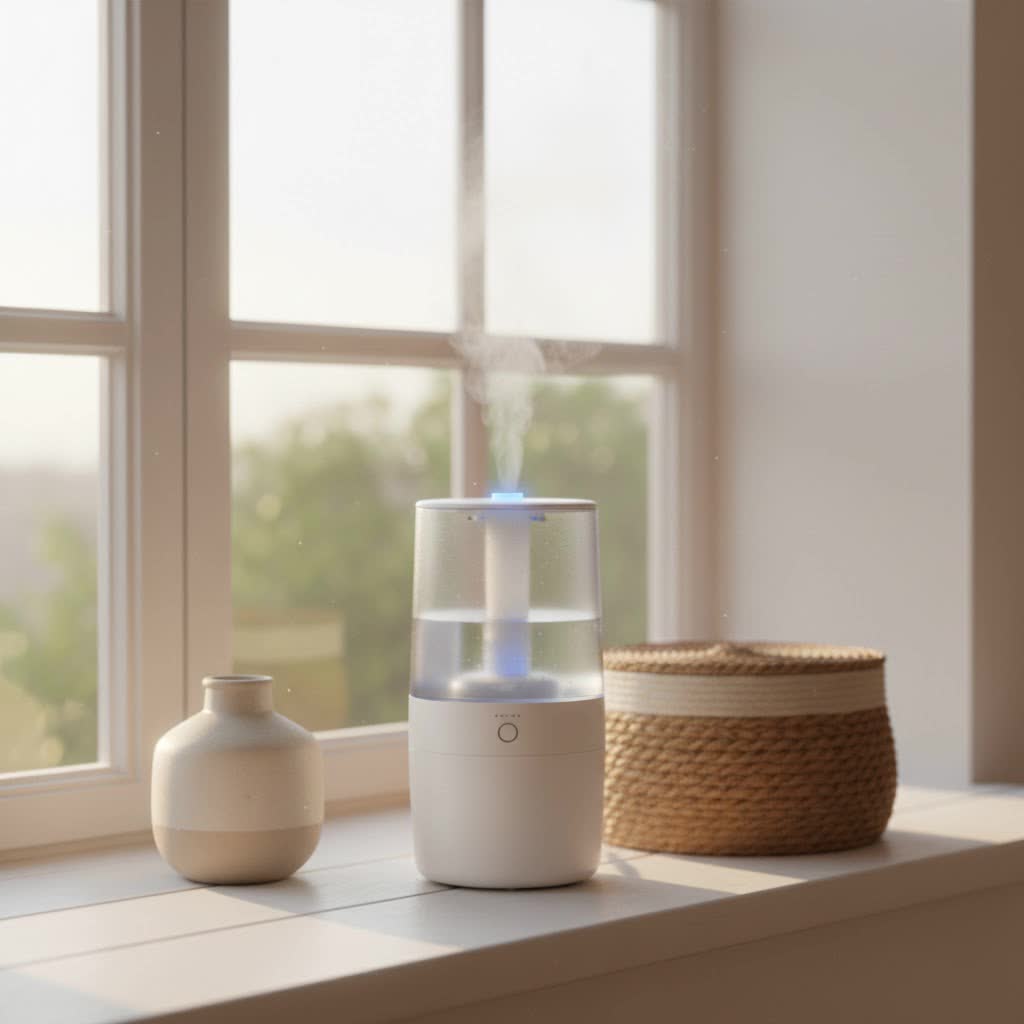
What is a Humidifier and Why Do You Need One?
A humidifier is a device designed to increase the humidity (moisture) levels in a room or an entire house. Maintaining an optimal indoor humidity level, typically between 30% and 50%, offers a wealth of benefits for both your health and your home. Beyond simply making the air feel more comfortable, proper humidification helps alleviate dry skin, chapped lips, and irritated nasal passages. It can soothe symptoms of colds, flu, allergies, and respiratory conditions by thinning mucus and reducing congestion. Humidifiers also contribute to better sleep quality by preventing dry throat and minimizing snoring. Beyond personal comfort, they protect wooden furniture and musical instruments from cracking or warping, and even reduce static electricity in your home. Virtually anyone can benefit from a humidifier, especially those in dry climates, individuals suffering from seasonal allergies or respiratory issues, or families with young children who are more susceptible to dry air ailments.
Cool Mist vs. Warm Mist Humidifiers: Understanding the Core Differences
The fundamental distinction between cool mist and warm mist humidifiers lies in how they produce and release moisture into the air. Each method offers unique advantages and disadvantages, influencing performance, safety, and suitability for different environments.
Cool Mist Humidifiers typically employ one of two technologies:
- Ultrasonic Humidifiers: These models use a nebulizer, a rapidly vibrating metal diaphragm, to break water into an ultra-fine, cool mist that is then dispersed into the room. They are renowned for their quiet operation.
- Evaporative Humidifiers: These devices use an internal fan to blow dry air through a moistened wick filter. As the water evaporates from the filter, it adds invisible moisture to the air. While generally energy-efficient, the fan can sometimes produce more noise compared to ultrasonic types.
Warm Mist Humidifiers, also known as steam vaporizers, operate by heating water to its boiling point. This process creates a warm, visible steam which then cools slightly before being released into the room. The heating element is the key differentiator, influencing safety, energy consumption, and the quality of the mist produced.
Here’s a direct comparison of their key features:
| Feature | Cool Mist Humidifier | Warm Mist Humidifier |
|---|---|---|
| Mist Temperature | Cool, room temperature | Warm, soothing |
| Safety | Safer for children/pets (no burn risk) | Potential burn risk from hot water/steam |
| Energy Usage | More energy-efficient (no heating element) | Higher energy consumption (heats water) |
| Noise Level | Varies (ultrasonic quieter, evaporative can be louder due to fan) | Generally quieter (no fan) |
| Mist Sterility | Can disperse minerals/bacteria if not cleaned or if tap water is used | Sterile mist (boiling kills germs/bacteria/mold) |
| Area Coverage | Often better for larger rooms | More suited for smaller, enclosed spaces |
| Maintenance | Filters (evaporative) need regular replacement/cleaning, potential “white dust” (ultrasonic) | Easier cleaning of mineral deposits from boiling, filter-free |
The Benefits and Drawbacks of Cool Mist Humidifiers
Cool mist humidifiers are a popular choice for many households, particularly due to their inherent safety features and versatility.
Benefits of Cool Mist Humidifiers:
- Enhanced Safety: Without a heating element, cool mist humidifiers eliminate the risk of accidental burns from hot water or steam, making them a much safer option for homes with curious children or pets.
- Energy Efficiency: Since they don’t need to heat water, these units typically consume less electricity, resulting in lower operating costs and a more eco-friendly choice.
- Year-Round Comfort: The cool mist they release can be particularly refreshing in warmer climates or during summer months, adding moisture to the air without raising the room temperature.
- Allergy and Respiratory Relief: Cool mist can help soothe irritated nasal passages and reduce congestion associated with allergies and common colds. It keeps the air moist, which can prevent the drying out of mucus membranes.
- Broader Coverage: Evaporative cool mist humidifiers, with their internal fans, are often more effective at distributing moisture evenly across larger rooms or even entire living spaces.
|
Our Picks for the Best Cool Humidifier in 2026
As an Amazon Associate I earn from qualifying purchases.
|
||
| Num | Product | Action |
|---|---|---|
| 1 | LEVOIT Top Fill Humidifiers for Bedroom, 2.5L Tank for Large Room, Easy to Fill & Clean, 26dB Quiet Cool Mist Air Humidifier for Home Baby Nursery & Plants, Auto Shut-off and BPA-Free for Safety, 25H |

|
| 2 | Humidifiers for Bedroom - GloryAir 2.38Gal/9L Top Fill Warm & Cool Mist Humidifier for Large Room 750ft² with Auto Mode 7-Color Light, Humidistat, Quiet Humidifier for Plants Baby Adults Home & Office |
|
| 3 | Humidifiers for Bedroom, 2.0L Cool Mist Humidifier for Home Plant and Baby Nursery, Quiet Ultrasonic Humidifier with 360° Nozzle, Auto Shut-Off, Filterless, Black |
|
| 4 | Dreo Smart Humidifiers for Bedroom, Top Fill 4L Supersized Humidifier Large Room with 28 dB, 36H Runtime, Touch/APP/Voice Control, Nightlight, Cool Mist Humidifiers for Baby, Plants, Indoor, Black |
|
| 5 | MEGAWISE 3.5L Cool Mist Humidifier – Ultra-Quiet Ultrasonic Vaporizer with Top-Fill Design, Essential Oil Diffuser, 7-Color Night Light & Auto Shut-Off |
|
| 6 | Humidifiers for Bedroom Large Room, 2.5L Cool Mist Humidifier with Essential Oil Diffuser, Top Fill Humidifier for Baby, Home, Plant, Ultrasonic Humidification for whole house, Auto Shut-Off |
|
| 7 | Homvana Humidifiers for Bedroom Home, 3.6 L Cool Mist Top-Fill 34H Super Long Time, Quiet 23dB, Baby Humidifier, Oil Diffuser for Large Room, House, Plant, Nursery, Office, BPA FREE, Ultrasonic (Grey) |
|
| 8 | Clarston 2L Cool Mist Humidifier for Bedroom with 360° Adjustable Nozzle, High and Low Mist Levels, Ultra-Low Noise, Light-Off, No BPA, Auto Shut Off, Ideal Baby Humidifier with Easy Top Filling |
|
| 9 | AquaOasis® Cool Mist Humidifier (2.2L Water Tank) Quiet Ultrasonic Humidifiers for Bedroom & Large room - Adjustable -360 Rotation Nozzle, Auto-Shut Off, Humidifiers for Babies Nursery & Whole House |
|
| 10 | Dreo Humidifiers for Bedroom, 4L Top Fill for Large Room, 36H Runtime, 28 dB Quiet Supersized Cool Mist Air Humidifier for Baby Nursery, Plants, Indoor, Night Light, Easy to Clean & Fill, White |
|
Drawbacks of Cool Mist Humidifiers:
- Potential for Noise: Evaporative models, due to their internal fans, can produce a noticeable humming sound, which might be disruptive in quiet spaces like bedrooms or nurseries. While ultrasonic models are typically very quiet, some users might still perceive a subtle hum.
- Filter Dependence and “White Dust”: Evaporative humidifiers require regular filter replacement (typically every 30-60 days) to prevent mold and bacteria growth, adding to recurring costs and maintenance. Ultrasonic models, especially when using hard tap water, can release “white dust” (mineral deposits) that settles on furniture and can potentially irritate respiratory systems.
- Risk of Mold and Bacteria: The cool, stagnant water in the tank can become a breeding ground for mold and bacteria if not cleaned diligently and regularly. These microorganisms can then be dispersed into the air, posing health risks.
- Cooling Effect: While a benefit in warm climates, the cool mist can make a room feel slightly chillier, which might be undesirable during colder seasons.
The Benefits and Drawbacks of Warm Mist Humidifiers
Warm mist humidifiers offer a distinct set of advantages, particularly appealing in specific climates and for certain health needs.
Benefits of Warm Mist Humidifiers:
- Sterile Mist: The boiling process inherently sterilizes the water, killing bacteria, mold, and other microorganisms before they are released into the air. This results in a cleaner, germ-free mist, which is a significant advantage, especially during cold and flu season.
- Soothing for Illness: The warm, moist vapor can be incredibly soothing for coughs, colds, congestion, and sinus irritation. It helps loosen mucus, making breathing easier and promoting more comfortable sleep. Many models also feature a medicine cup for adding medicated inhalants like VapoSteam.
- Quiet Operation: Without a fan, warm mist humidifiers tend to operate more quietly than evaporative cool mist models, making them ideal for bedrooms and nurseries where minimal noise is desired.
- Adds Comforting Warmth: In colder climates, the warm mist can add a slight, comforting warmth to the room, making the environment feel cozier and more inviting.
- Filter-Free Design: Most warm mist humidifiers do not use filters, eliminating the need for regular filter replacements and the associated costs and hassle.
Drawbacks of Warm Mist Humidifiers:
- Burn Hazard: The most significant drawback is the presence of hot water and steam, which poses a burn risk if the unit is tipped over or handled carelessly. This makes them less suitable for households with young children or pets.
- Higher Energy Consumption: The heating element required to boil water consumes more electricity compared to cool mist models, leading to higher energy bills.
- Mineral Buildup and Cleaning: While filter-free, the boiling process can lead to a faster accumulation of mineral deposits (scale) within the unit, making deep cleaning more challenging. Regular descaling is crucial for optimal performance.
- Limited Coverage: Warm mist humidifiers typically do not have a fan to actively disperse the mist, making them less effective at humidifying large areas and best suited for smaller, enclosed spaces like bedrooms.
- Potential for Overheating: In already warm climates or during hot weather, the added warmth from a warm mist humidifier can make a room feel uncomfortably hot.
Choosing the Right Humidifier for Your Needs (Buying Guide)
Selecting the ideal humidifier involves weighing various factors that align with your lifestyle, environment, and specific health requirements. Consider these key aspects before making your purchase:
- Room Size: Evaluate the square footage of the room you intend to humidify. Cool mist (especially evaporative) humidifiers often excel in larger spaces, while warm mist models are typically more effective in smaller, enclosed rooms like bedrooms. Some manufacturers provide a recommended coverage area, so always check the product specifications.
- Climate: Your local climate plays a crucial role. If you live in a perpetually warm or tropical area, a cool mist humidifier can provide refreshing moisture without adding extra heat. In contrast, those in colder regions might appreciate the subtle warmth and soothing properties of a warm mist humidifier during winter.
- Health Conditions: For individuals suffering from colds, flu, or sinus congestion, the warm, sterile mist can provide significant relief. For allergy sufferers, cool mist humidifiers are often recommended as they add moisture without the potential irritation from heated air.
- Safety Concerns: This is paramount for households with children or pets. Cool mist humidifiers are inherently safer due to the absence of hot water and steam, eliminating burn risks. If you opt for a warm mist unit, ensure it is placed well out of reach.
- Noise Level: If you plan to use the humidifier in a bedroom, nursery, or office where quiet is essential, ultrasonic cool mist or warm mist humidifiers are generally the quietest options. Evaporative cool mist models, with their fans, can be louder.
- Maintenance Commitment: Be honest about how much time you’re willing to dedicate to cleaning. Filter-free warm mist units eliminate filter replacement, but may require more frequent descaling. Cool mist humidifiers with filters demand regular cleaning and replacement. Distilled water is recommended for all types to minimize mineral buildup.
- Special Features: Many modern humidifiers offer additional features like built-in humidistats (to maintain a target humidity level automatically), essential oil diffusers for aromatherapy, automatic shut-off functions, night lights, and smart app connectivity. Hybrid models, offering both cool and warm mist options, provide maximum versatility, allowing you to switch settings based on seasonal needs.
- Budget: Humidifiers come in a wide range of price points. Consider not only the initial purchase cost but also long-term expenses like filter replacements (for evaporative types) and energy consumption.
Many brands like Levoit, Vicks, and Honeywell offer a variety of reliable cool mist, warm mist, and even hybrid options, allowing you to find a high-quality product that aligns with your specific needs.
Essential Tips for Humidifier Use and Maintenance
Proper usage and diligent maintenance are crucial for maximizing your humidifier’s effectiveness, preventing health risks, and prolonging its lifespan. A poorly maintained humidifier can become a breeding ground for mold and bacteria, dispersing harmful particles into your air.
Here are essential tips to keep your humidifier clean and functioning optimally:
- Daily Care Routine:
- Empty and Rinse: Every day, empty any remaining water from the tank and rinse it thoroughly.
- Refill with Fresh Water: Always refill with fresh, cool water. For the best results and to prevent mineral buildup and “white dust,” use distilled or demineralized water instead of tap water.
- Weekly Deep Cleaning:
- Disassemble: Unplug the unit and disassemble all removable parts according to your manufacturer’s instructions.
- Clean with Vinegar: Use a solution of equal parts white vinegar and water to clean the base and tank. For stubborn mineral deposits (scale), soak the components in this solution for 30 minutes, then scrub gently with a soft brush or sponge.
- Disinfect (Optional but Recommended): Some manufacturers recommend disinfecting with a diluted bleach solution (e.g., one teaspoon of bleach per gallon of water) for 10-20 minutes, followed by thorough rinsing. Always consult your manual for approved cleaning agents.
- Rinse and Dry: Rinse all parts thoroughly with clean water until there is no vinegar or bleach smell. Allow all components to air dry completely before reassembling.
- Filter and Wick Maintenance (for Evaporative Cool Mist Humidifiers):
- Inspect and Replace: Check filters monthly for discoloration or damage. Replace them every 30-60 days, or as recommended by the manufacturer, to prevent mold growth and ensure efficient operation.
- Never Clean with Chemicals: Do not attempt to clean filters with soap, bleach, or other chemicals, as these can contaminate the mist.
- Monitor Humidity Levels: Use a hygrometer to ensure your home’s humidity stays within the optimal range of 30% to 50%. Levels above 60% can promote mold growth and dust mites.
- Positioning: Place your humidifier on a flat, water-resistant surface, away from walls, furniture, and electronics, to allow for proper mist dispersal and prevent moisture damage.
- Seasonal Storage: Before storing your humidifier for an extended period, perform a thorough deep clean and ensure all parts are completely dry to prevent mold and mildew from forming during storage. Clean it again before putting it back into use.
Common issues like reduced mist output or white dust are often signs of mineral buildup or a dirty filter. Regular maintenance is your best defense against these problems and ensures you’re always breathing in clean, healthy air.
Conclusion
Choosing between a cool mist and warm mist humidifier ultimately depends on your individual needs, preferences, and living environment. Cool mist humidifiers, with their emphasis on safety and energy efficiency, are excellent for families with children and pets, and provide refreshing relief in warmer climates. Warm mist humidifiers, on the other hand, offer the unique benefits of sterile, soothing mist, ideal for battling cold and flu symptoms and adding a touch of warmth during chilly seasons. By carefully considering factors like room size, climate, health concerns, and your commitment to maintenance, you can confidently select a humidifier that brings optimal comfort and well-being to your home. Which mist will bring the most comfort to your personal space this season?
Frequently Asked Questions
Which type of humidifier is best for a baby’s room?
For a baby’s room, a cool mist humidifier is generally recommended due to safety concerns. The absence of hot water or steam eliminates the risk of burns, making it a much safer option for infants and young children. Ultrasonic cool mist humidifiers are particularly popular for nurseries because of their quiet operation.
Can a humidifier help with cold and flu symptoms?
Yes, both cool mist and warm mist humidifiers can help alleviate cold and flu symptoms. They add moisture to the air, which can soothe irritated nasal passages, loosen congestion, and reduce coughing. Warm mist humidifiers are often favored for their sterile mist and the added soothing warmth, while cool mist options provide relief without raising the room’s temperature.
How often should I clean my humidifier?
For optimal performance and to prevent the growth of mold and bacteria, it’s recommended to rinse and refill your humidifier’s water tank daily. A more thorough cleaning, using a vinegar solution to remove mineral buildup, should be performed weekly or every few days, depending on usage frequency and water hardness. Filters in evaporative models also need regular replacement, typically every 30-60 days.
