As the administrator of reviewdaiso.com and a technician with a decade of experience in humidification, I understand the importance of choosing the right device to enhance your indoor environment. Dry air can lead to a host of discomforts, from parched skin and irritated sinuses to aggravated respiratory conditions. Humidifiers offer a simple yet effective solution by adding moisture to the air. Among the most popular options, cool mist and warm mist humidifiers each present unique advantages and considerations. This comprehensive guide will help you navigate their differences, benefits, and drawbacks, ensuring you select the perfect humidifier for your specific needs.
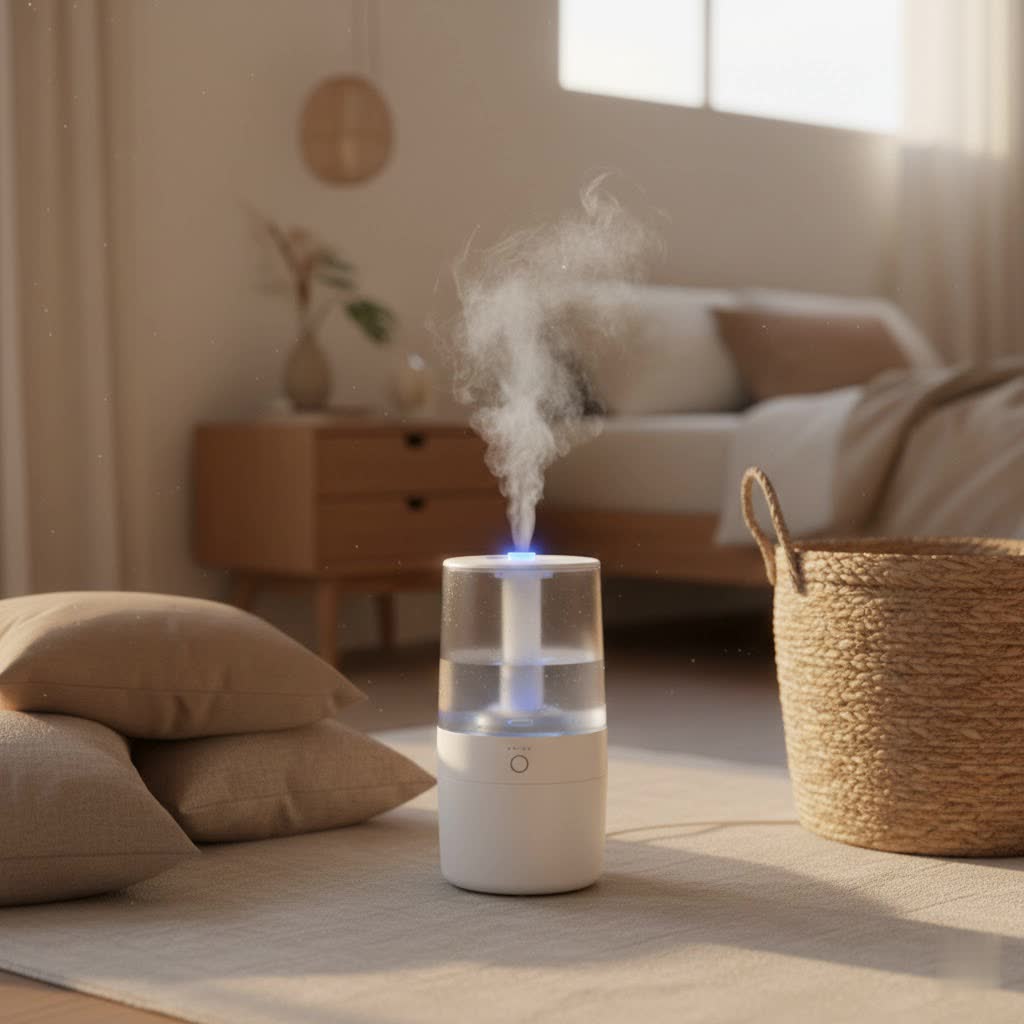
What are Cool Mist and Warm Mist Humidifiers, and Why Do You Need One?
Humidifiers are essential appliances designed to increase the moisture content in your home’s air, crucial for maintaining optimal indoor humidity levels, typically between 30% and 50%. This can significantly improve comfort and health. Both cool mist and warm mist humidifiers aim to achieve this, but they do so through distinct mechanisms, each offering specific benefits depending on your environment and health concerns.
Cool Mist Humidifiers disperse room-temperature moisture into the air. There are primarily two types:
- Ultrasonic Humidifiers: These models utilize a high-frequency vibrating nebulizer to break water into a fine, cool mist that is then released into the room. They are often praised for their quiet operation and filter-free design.
- Evaporative Humidifiers: These use a wicking filter to draw water from the reservoir. A fan then blows air over the saturated filter, evaporating the water and releasing cool, invisible moisture into the atmosphere. This method helps trap minerals within the filter.
Warm Mist Humidifiers (also known as steam vaporizers) operate by heating water to its boiling point, producing a warm, visible steam. This steam is then cooled slightly before being dispersed into the air. The boiling process naturally kills most bacteria and impurities in the water, resulting in a cleaner mist.
Why do you need one? Regardless of the type, a humidifier can offer numerous benefits. Proper humidification helps keep your skin hydrated, preventing dryness and cracking. It can also soothe irritated nasal passages and throats, alleviating symptoms of colds, flu, allergies, and other respiratory conditions. Furthermore, humidifiers can protect wooden furniture and musical instruments from cracking by preventing excessive dryness, improve sleep quality by reducing throat irritation and snoring, and even minimize static electricity in your home.
Types of Cool Mist Humidifiers
Cool mist humidifiers are broadly categorized into two main technologies: ultrasonic and evaporative. Understanding their specific operational methods, pros, and cons can help you decide which one aligns best with your preferences.
Ultrasonic Cool Mist Humidifiers
These humidifiers use rapid, high-frequency vibrations to produce a micro-fine mist.
- Pros: Ultrasonic models are known for their exceptionally quiet operation, making them ideal for bedrooms and nurseries where silence is paramount. Many are filter-free, reducing ongoing costs. They produce a visible mist, which some users find aesthetically pleasing and reassuring.
- Cons: Without a filter to trap minerals, ultrasonic humidifiers can release fine white dust (mineral residue from tap water) into the air, settling on nearby surfaces. This requires using distilled or demineralized water or demineralization cartridges to mitigate. They also require diligent cleaning to prevent the buildup of mold and bacteria.
Evaporative Cool Mist Humidifiers
Evaporative humidifiers work by drawing water up a wick filter, through which a fan blows air. The air absorbs moisture from the filter and disperses it into the room as an invisible mist.
- Pros: These humidifiers are energy-efficient and can effectively humidify larger spaces due to the fan-assisted dispersal. The wick filter helps to trap minerals and impurities from the water, resulting in a cleaner mist without white dust. They are generally considered safe as there are no hot elements.
- Cons: Evaporative models are typically noisier than ultrasonic types because of the internal fan. The wick filters require regular cleaning and replacement, which adds to maintenance costs and effort. If not properly maintained, the filters can become breeding grounds for mold and bacteria.
Top Cool vs. Warm Mist Humidifiers: Key Features to Look For
When considering a humidifier, whether cool mist or warm mist, discerning what makes a “top” model often comes down to a balance of performance, safety, ease of use, and maintenance. While specific product recommendations vary by brand and model year, focusing on these key features will guide you to an excellent choice.
For cool mist humidifiers, top models often highlight:
- Efficient Coverage: Many cool mist humidifiers, especially evaporative types with strong fans, excel at humidifying large rooms or open-plan areas.
- Safety Features: Auto shut-off when the tank is empty or tipped over, and cool-touch exteriors are crucial, particularly for ultrasonic models.
- Low Energy Consumption: As they don’t heat water, cool mist humidifiers are generally more energy-efficient.
- Quiet Operation: Ultrasonic cool mist humidifiers are typically very quiet, a sought-after feature for bedrooms.
- Ease of Cleaning: Removable, easily accessible parts are vital to prevent mold and bacteria growth. Some newer models even feature dishwasher-safe components.
- Smart Features: Integration with apps, smart home assistants, and built-in humidistats for precise humidity control.
For warm mist humidifiers, top models usually emphasize:
- Germ-Killing Capability: The boiling process ensures a virtually germ-free mist, appealing to those concerned about airborne pathogens.
- Soothing Warmth: They add a gentle warmth to the room, which can be particularly comforting during colder months or for cold/flu symptoms.
- Quiet Operation: Without a fan, many warm mist humidifiers are remarkably quiet, making them excellent for uninterrupted sleep.
- VapoSteam Compatibility: Many models are designed to work with medicated inhalants like Vicks VapoSteam for enhanced relief from congestion.
- Filter-Free Design: Eliminates the need for filter replacements, simplifying maintenance in that regard.
- Safety Enhancements: Auto shut-off and designs that minimize burn risk if tipped.
Ultimately, the best humidifier is one that meets your specific environmental and health requirements, prioritizes safety, and is easy to maintain for consistent, clean moisture output.
Comparison Table: Cool Mist vs. Warm Mist Humidifiers
Deciding between a cool mist and a warm mist humidifier involves weighing their distinct characteristics against your specific needs. Here’s a comparative overview:
| Feature | Cool Mist Humidifier | Warm Mist Humidifier |
|---|---|---|
| Mist Temperature | Room temperature | Warm (steam, cooled slightly) |
| Safety | Safer, no burn risk (recommended for children/pets) | Potential burn risk from hot water/steam |
| Energy Usage | Generally lower (no heating element) | Higher (heats water to boil) |
| Noise Level | Can be noisy (fan in evaporative), quiet (ultrasonic) | Generally quieter (no fan) |
| Coverage Area | Often better for larger rooms (evaporative) | Better for smaller, more contained spaces |
| Maintenance | Regular cleaning, filter replacement (evaporative), mineral dust (ultrasonic) | Regular cleaning for mineral buildup, no filters |
| Germs/Bacteria | Can disperse if not cleaned, filters help (evaporative) | Boiling process kills most germs |
| Best For | Warmer climates, children/pets, allergies, year-round use | Colder climates, congestion, colds/flu (adults), soothing warmth |
| Additives | Some compatible with essential oils/VapoPads | Often compatible with VapoSteam/essential oils |
Choosing the Right Humidifier for Your Needs (Buying Guide)
Selecting the ideal humidifier requires careful consideration of various factors unique to your household and lifestyle. There’s no one-size-fits-all answer, but by evaluating your priorities, you can make an informed decision.
Key Factors to Consider:
- Room Size: For expansive living areas, an evaporative cool mist humidifier typically offers broader coverage due to its fan. Warm mist humidifiers generally perform best in smaller, enclosed spaces like bedrooms, as their mist doesn’t travel as far.
- Safety Concerns: If you have infants, young children, or curious pets, a cool mist humidifier is almost always the recommended choice. The absence of a heating element eliminates the risk of burns from hot water or steam, which is a significant safety advantage.
- Climate and Season: In warmer climates or during summer months, a cool mist humidifier can add necessary moisture without increasing room temperature. Conversely, a warm mist humidifier can provide a comforting, slightly warming effect, making it a popular choice for dry, cold winter environments.
- Health Conditions: Both types can alleviate symptoms of dry air. For cold and flu symptoms like congestion and cough, warm mist can be soothing. However, for general respiratory relief, allergies, or asthma, many prefer cool mist. The Mayo Clinic suggests cool-mist humidifiers for children with colds.
- Noise Preference: Warm mist humidifiers, operating without a fan, are typically quieter. Ultrasonic cool mist models can also be very quiet, while evaporative cool mist units, with their fans, tend to be noisier.
- Maintenance Commitment: All humidifiers require regular cleaning to prevent mold and bacteria. Evaporative cool mist humidifiers necessitate filter replacement, an ongoing cost and task. Warm mist humidifiers and filter-free ultrasonic cool mist models require diligent cleaning of mineral buildup, especially if using hard tap water.
- Energy Consumption: Since warm mist humidifiers boil water, they generally consume more electricity than cool mist models. If energy efficiency is a top priority, cool mist is often the better choice.
- Additional Features: Look for humidifiers with a built-in humidistat for automatic humidity level control, auto shut-off functions for safety and convenience, and ease of refilling and cleaning. Some models also include compartments for essential oils or medicated inhalants.
Tips for Specific Users:
- For Children and Babies: Prioritize safety. The American Academy of Pediatrics and other experts strongly recommend using cool mist humidifiers in children’s rooms to eliminate any burn risk.
- For Allergy or Asthma Sufferers: Both types can help, but regular cleaning is paramount to prevent the spread of allergens like mold. A humidifier that can be easily and thoroughly cleaned is key.
- For the Elderly: Ease of use, simple controls, and a stable design to prevent accidental tipping are important considerations.
By carefully evaluating these factors, you can confidently select a humidifier that will provide optimal comfort and health benefits for your home.
Proper Use and Maintenance for Your Humidifier
Owning a humidifier means more than just filling it with water and turning it on. Proper usage and diligent maintenance are crucial to ensure it operates effectively, provides health benefits, and avoids becoming a breeding ground for mold and bacteria.
How to Use Your Humidifier Safely and Effectively:
- Maintain Optimal Humidity Levels: Aim for indoor humidity between 30% and 50%. Levels above 60% can promote mold growth and dust mites, while too low can exacerbate dry air symptoms. Many humidifiers come with a built-in humidistat or hygrometer to help you monitor this.
- Use Distilled or Purified Water: Especially for ultrasonic and warm mist humidifiers, using distilled or purified water can significantly reduce the dispersion of mineral dust (white dust) and the buildup of mineral deposits in the unit. Tap water, especially hard water, contains minerals that can become airborne or accumulate as scale.
- Proper Placement: Position your humidifier on a flat, waterproof surface, away from electronics, papers, and wooden furniture to prevent moisture damage. Ensure it’s out of reach of children and pets, particularly warm mist models. Avoid placing it directly under vents.
- Keep Doors and Windows Closed: To maximize the humidifier’s efficiency and prevent moisture from escaping, keep the room’s doors and windows closed while it’s operating.
Regular Cleaning and Maintenance:
This is perhaps the most critical aspect of humidifier ownership. Unclean humidifiers can disperse bacteria, mold spores, and minerals into the air, potentially worsening respiratory conditions or causing illness.
- Daily Maintenance:
- Empty the water tank daily and rinse it with fresh water.
- Wipe down all surfaces of the humidifier, especially the tank, with a clean cloth or paper towel to remove any film or residue.
- Refill the tank with fresh, clean water. Do not let water sit in the tank for extended periods.
- Weekly Deep Cleaning:
- Disassemble the Unit: Follow your manufacturer’s instructions for disassembling the humidifier.
- Clean the Tank and Base: Fill the water tank and base with 1 to 2 cups of undiluted white vinegar (or a manufacturer-recommended cleaning solution). Let it soak for 20-30 minutes to break down mineral deposits.
- Scrub and Rinse: Use a brush (often provided with the humidifier) to scrub away any mineral buildup or residue. Rinse all components thoroughly with clean water until the vinegar smell is gone.
- Sanitize (if recommended): Some manufacturers recommend sanitizing the tank and base with a mild bleach solution (e.g., 1 teaspoon of bleach per gallon of water) for 10-20 minutes, followed by extremely thorough rinsing to remove all traces of bleach. Always check your manual before using bleach.
- Filter Replacement (for evaporative models): Replace wick filters regularly, typically every 30-60 days or as recommended by the manufacturer, or sooner if they appear discolored or hardened. Old, dirty filters can harbor mold and bacteria.
Common Humidifier Issues and Troubleshooting:
- White Dust: This is a common issue with ultrasonic and some warm mist humidifiers using hard tap water. Switch to distilled or demineralized water to eliminate it.
- Mold/Musty Smell: A strong indicator of mold or bacterial growth. Thoroughly clean and sanitize your unit immediately. If the smell persists, the unit may need to be replaced.
- Reduced Mist Output: Check for mineral buildup on the heating element (warm mist) or ultrasonic plate (ultrasonic cool mist). Clean thoroughly. For evaporative units, a clogged or old filter can be the culprit.
Adhering to these usage and maintenance guidelines will ensure your humidifier effectively provides clean, healthy moisture for years to come.
Conclusion
The choice between a cool mist and a warm mist humidifier ultimately hinges on your unique environment, personal preferences, and specific health considerations. Both types excel at alleviating the discomforts of dry air, from soothing dry skin and irritated respiratory passages to protecting your home’s furnishings.
Cool mist humidifiers offer a safe, energy-efficient option, particularly favored in homes with children and pets, and are excellent for year-round use in various climates. They are effective in treating congestion and can cover larger areas. Warm mist humidifiers, with their germ-killing boiling process and soothing warm vapor, are often preferred during colder months or for breaking up severe congestion.
By understanding the distinct mechanisms, benefits, and maintenance requirements of each, you can make an informed decision. Prioritize safety, commit to regular cleaning, and consider your living space and health needs to select the humidifier that will best serve as your ally against dry air.
Which type of humidifier best complements your home environment and well-being strategy?
Frequently Asked Questions
Is a cool mist humidifier safer than a warm mist humidifier for a baby’s room?
|
Our Picks for the Best Cool Humidifier in 2026
As an Amazon Associate I earn from qualifying purchases.
|
||
| Num | Product | Action |
|---|---|---|
| 1 | MEGAWISE 3.5L Cool Mist Humidifier – Ultra-Quiet Ultrasonic Vaporizer with Top-Fill Design, Essential Oil Diffuser, 7-Color Night Light & Auto Shut-Off |

|
| 2 | Humidifiers for Bedroom Large Room, 2.5L Cool Mist Humidifier with Essential Oil Diffuser, Top Fill Humidifier for Baby, Home, Plant, Ultrasonic Humidification for whole house, Auto Shut-Off |
|
| 3 | Humidifiers for Bedroom - GloryAir 2.38Gal/9L Top Fill Warm & Cool Mist Humidifier for Large Room 750ft² with Auto Mode 7-Color Light, Humidistat, Quiet Humidifier for Plants Baby Adults Home & Office |
|
| 4 | Clarston 2L Cool Mist Humidifier for Bedroom with 360° Adjustable Nozzle, High and Low Mist Levels, Ultra-Low Noise, Light-Off, No BPA, Auto Shut Off, Ideal Baby Humidifier with Easy Top Filling |
|
| 5 | Humidifiers for Bedroom, 2.0L Cool Mist Humidifier for Home Plant and Baby Nursery, Quiet Ultrasonic Humidifier with 360° Nozzle, Auto Shut-Off, Filterless, Black |
|
| 6 | Homvana Humidifiers for Bedroom Home, 3.6 L Cool Mist Top-Fill 34H Super Long Time, Quiet 23dB, Baby Humidifier, Oil Diffuser for Large Room, House, Plant, Nursery, Office, BPA FREE, Ultrasonic (Grey) |
|
| 7 | Dreo Smart Humidifiers for Bedroom, Top Fill 4L Supersized Humidifier Large Room with 28 dB, 36H Runtime, Touch/APP/Voice Control, Nightlight, Cool Mist Humidifiers for Baby, Plants, Indoor, Black |
|
| 8 | Dreo Humidifiers for Bedroom, 4L Top Fill for Large Room, 36H Runtime, 28 dB Quiet Supersized Cool Mist Air Humidifier for Baby Nursery, Plants, Indoor, Night Light, Easy to Clean & Fill, White |
|
| 9 | AquaOasis® Cool Mist Humidifier (2.2L Water Tank) Quiet Ultrasonic Humidifiers for Bedroom & Large room - Adjustable -360 Rotation Nozzle, Auto-Shut Off, Humidifiers for Babies Nursery & Whole House |
|
| 10 | LEVOIT Top Fill Humidifiers for Bedroom, 2.5L Tank for Large Room, Easy to Fill & Clean, 26dB Quiet Cool Mist Air Humidifier for Home Baby Nursery & Plants, Auto Shut-off and BPA-Free for Safety, 25H |
|
Yes, a cool mist humidifier is generally considered safer for a baby’s room as it eliminates the risk of burns from hot water or steam associated with warm mist humidifiers. This recommendation from health experts prioritizes child safety.
Which type of humidifier is better for cough and cold symptoms?
Both cool mist and warm mist humidifiers can help ease cough and cold symptoms by moisturizing airways. Warm mist humidifiers may offer a soothing sensation with their warm vapor and kill germs through boiling, while cool mist humidifiers are often recommended for children due to safety.
Do humidifiers consume a lot of electricity?
Warm mist humidifiers typically consume more electricity because they require a heating element to boil water. Cool mist humidifiers, especially ultrasonic models, are generally more energy-efficient as they do not use heat in their operation.
How often should I clean my humidifier?
It’s recommended to empty and rinse your humidifier’s water tank daily, refilling with fresh water. A thorough cleaning and disinfection, typically with vinegar or a manufacturer-recommended solution, should be performed weekly to prevent mineral buildup and the growth of mold and bacteria.
Can I use essential oils in any humidifier?
No, not all humidifiers are compatible with essential oils. Using essential oils in a non-compatible humidifier can damage the unit or clog filters. Always check the manufacturer’s instructions for essential oil compatibility; some models have a dedicated tray for aromatherapy.
