Ever walked into a room and felt that uncomfortable dryness in the air – scratchy throat, irritated skin, or even static electricity shocks? You’re not alone. Dry indoor air, particularly during colder months or in arid climates, can significantly impact your comfort and well-being. This is where humidifiers come in, adding much-needed moisture back into your living spaces. But with so many options available, choosing the right one, especially between cool mist and warm mist varieties, can feel overwhelming.
As a seasoned technician with over a decade of experience in humidification technology, I’ve seen countless models come and go, understanding the intricate workings and nuances of each. My goal is to demystify these essential home appliances and guide you through the process of selecting and maintaining the perfect humidifier for your specific needs, focusing on the versatile cool and warm mist options.
What Are Cool & Warm Mist Humidifiers and Why Do You Need One?
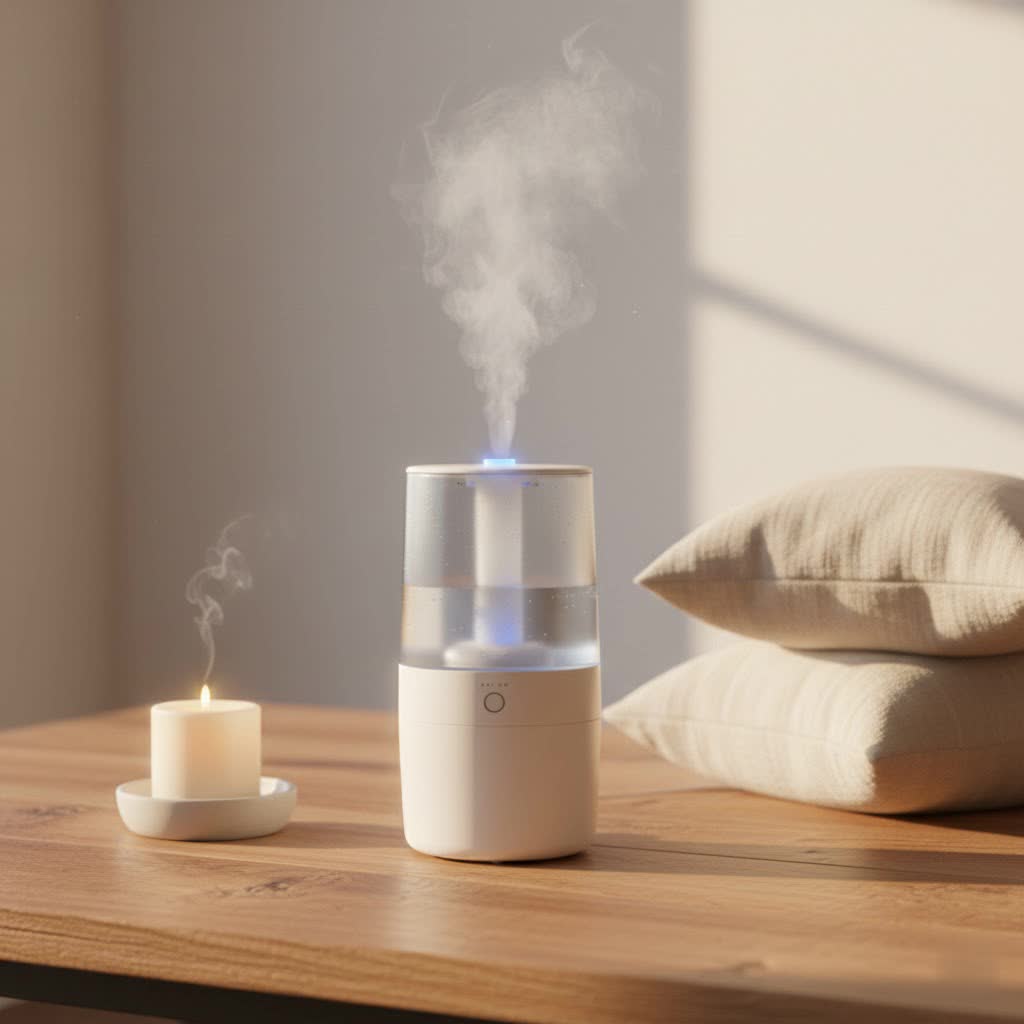
Humidifiers are devices designed to introduce moisture into the air, helping to maintain optimal indoor humidity levels, typically between 30% and 50%. This balance is crucial for both your health and your home environment. A cool mist humidifier releases unheated water vapor into the air, which can be generated through various mechanisms. In contrast, a warm mist humidifier, also known as a steam vaporizer, heats water to boiling, producing a sterile steam that cools slightly before being dispersed.
The benefits of incorporating a humidifier into your home are extensive. Beyond alleviating uncomfortable physical symptoms, a well-humidified environment can significantly improve your overall quality of life. Humidifiers are excellent for hydrating dry skin and chapped lips, preventing the cracking and discomfort often associated with low humidity. They can also soothe irritated nasal passages, sore throats, coughing, and congestion caused by colds, flu, or seasonal allergies, making breathing easier and more comfortable. Furthermore, humidifiers help reduce annoying static electricity, protect wooden furniture, flooring, and even musical instruments from warping or cracking, and create a healthier atmosphere for houseplants to thrive. Many users also report improved sleep quality, as moist air can alleviate dry mouth and throat irritation that disrupt rest.
Understanding the Differences: Cool Mist vs. Warm Mist vs. Dual Mist
The primary distinction between cool mist and warm mist humidifiers lies in their method of mist production and the resulting temperature of the vapor. Understanding these differences is key to making an informed choice for your household.
Cool Mist Humidifiers
Cool mist humidifiers come in two main types:
- Ultrasonic Humidifiers: These utilize a high-frequency vibrating nebulizer to break water into a fine, cool mist. They are typically very quiet due to the absence of a fan.
- Evaporative Humidifiers: These draw water from a reservoir up a wicking filter, where a fan blows air over the moistened filter, causing the water to evaporate into the air.
Pros of Cool Mist Humidifiers:
- Safety: They pose no burn risk, making them ideal for homes with children, pets, or individuals with mobility issues.
- Energy Efficiency: Generally consume less electricity as they don’t have a heating element.
- Versatility: Excellent for year-round use and particularly suitable for warmer climates where adding heat to the air is undesirable.
- Coverage: Evaporative models, with their fans, can effectively humidify larger spaces.
Cons of Cool Mist Humidifiers:
- Noise: Evaporative models can produce a low humming sound from the fan.
- Maintenance: Evaporative models require regular replacement of wicking filters, which can become breeding grounds for mold and bacteria if neglected.
- “White Dust”: Ultrasonic models, especially when using hard tap water, can disperse minerals into the air, settling as a fine white dust on surrounding surfaces. Using distilled water mitigates this.
|
Our Picks for the Best Cool Humidifier in 2026
As an Amazon Associate I earn from qualifying purchases.
|
||
| Num | Product | Action |
|---|---|---|
| 1 | Homvana Humidifiers for Bedroom Home, 3.6 L Cool Mist Top-Fill 34H Super Long Time, Quiet 23dB, Baby Humidifier, Oil Diffuser for Large Room, House, Plant, Nursery, Office, BPA FREE, Ultrasonic (Grey) |

|
| 2 | Dreo Smart Humidifiers for Bedroom, Top Fill 4L Supersized Humidifier Large Room with 28 dB, 36H Runtime, Touch/APP/Voice Control, Nightlight, Cool Mist Humidifiers for Baby, Plants, Indoor, Black |
|
| 3 | Clarston 2L Cool Mist Humidifier for Bedroom with 360° Adjustable Nozzle, High and Low Mist Levels, Ultra-Low Noise, Light-Off, No BPA, Auto Shut Off, Ideal Baby Humidifier with Easy Top Filling |
|
| 4 | Humidifiers for Bedroom, 2.0L Cool Mist Humidifier for Home Plant and Baby Nursery, Quiet Ultrasonic Humidifier with 360° Nozzle, Auto Shut-Off, Filterless, Black |
|
| 5 | AquaOasis® Cool Mist Humidifier (2.2L Water Tank) Quiet Ultrasonic Humidifiers for Bedroom & Large room - Adjustable -360 Rotation Nozzle, Auto-Shut Off, Humidifiers for Babies Nursery & Whole House |
|
| 6 | Dreo Humidifiers for Bedroom, 4L Top Fill for Large Room, 36H Runtime, 28 dB Quiet Supersized Cool Mist Air Humidifier for Baby Nursery, Plants, Indoor, Night Light, Easy to Clean & Fill, White |
|
| 7 | MEGAWISE 3.5L Cool Mist Humidifier – Ultra-Quiet Ultrasonic Vaporizer with Top-Fill Design, Essential Oil Diffuser, 7-Color Night Light & Auto Shut-Off |
|
| 8 | Humidifiers for Bedroom Large Room, 2.5L Cool Mist Humidifier with Essential Oil Diffuser, Top Fill Humidifier for Baby, Home, Plant, Ultrasonic Humidification for whole house, Auto Shut-Off |
|
| 9 | Humidifiers for Bedroom - GloryAir 2.38Gal/9L Top Fill Warm & Cool Mist Humidifier for Large Room 750ft² with Auto Mode 7-Color Light, Humidistat, Quiet Humidifier for Plants Baby Adults Home & Office |
|
| 10 | LEVOIT Top Fill Humidifiers for Bedroom, 2.5L Tank for Large Room, Easy to Fill & Clean, 26dB Quiet Cool Mist Air Humidifier for Home Baby Nursery & Plants, Auto Shut-off and BPA-Free for Safety, 25H |
|
Warm Mist Humidifiers
Warm mist humidifiers, or steam vaporizers, operate by heating water to a boil using an internal heating element, producing a clean, visible steam. This steam then cools slightly before being released into the room.
Pros of Warm Mist Humidifiers:
- Hygiene: The boiling process effectively kills most bacteria and germs present in the water, releasing a virtually sterile mist.
- Quiet Operation: Without a fan, many warm mist humidifiers operate very quietly.
- Comfort in Cold Climates: The warm mist can provide a soothing sensation and slightly increase the room temperature during colder months.
- Filter-Free: Most warm mist models do not use filters, reducing ongoing costs and maintenance.
- Vapor Compatibility: Many are designed to be used with medicated inhalants or essential oils for added relief from congestion.
Cons of Warm Mist Humidifiers:
- Burn Risk: The hot water and steam present a potential burn hazard if the unit is tipped over or touched, making them less suitable for homes with young children or pets.
- Energy Consumption: The heating element uses more electricity compared to cool mist models.
- Coverage: Typically cover smaller areas effectively.
- Cleaning Challenges: Mineral deposits can build up inside the heating element, requiring more frequent and thorough descaling.
Dual Mist Humidifiers
For those who desire the best of both worlds, dual mist humidifiers offer the flexibility to switch between cool and warm mist modes.
Pros of Dual Mist Humidifiers:
- Ultimate Versatility: Adapt to changing seasons and personal preferences, providing warm mist in winter for comfort and cool mist in summer for relief.
- Comprehensive Benefits: Combines the hygienic benefits of warm mist with the safety and energy efficiency of cool mist.
Cons of Dual Mist Humidifiers:
- Higher Cost: Generally more expensive than single-function humidifiers due to their advanced technology.
- Complexity: May have more features and settings to learn.
Top-Rated Humidifiers for Every Home
Choosing the right humidifier often comes down to balancing features, performance, and budget. Here are some of the most popular and highly-regarded cool and warm mist humidifiers currently on the market, known for their effectiveness and user-friendly designs:
- Levoit OasisMist 450S Smart Humidifier: This dual-mist powerhouse is often praised as a top contender, offering both cool and warm mist options. It features smart controls via an app, a generous water capacity, quiet operation, and a convenient top-fill design, often including an essential oil diffuser. Its ability to maintain precise humidity levels automatically makes it a favorite for many.
- Honeywell Dual Comfort Cool + Warm Mist Humidifier: Another excellent dual-mist option, the Honeywell Dual Comfort is valued for its reliable performance in both mist modes. It’s particularly noted for providing effective relief for individuals with asthma and allergies, offering adjustable settings to suit various room sizes and humidity needs.
- Dreo Smart Humidifier: Dreo offers several smart humidifiers, many of which provide both cool and warm mist functionalities. These models are lauded for their quiet operation, effective mist output, and smart features that allow for easy control and monitoring, making them a great choice for managing nasal congestion and enhancing overall air comfort.
- Vicks 3-in-1 SleepyTime Humidifier: While primarily a cool mist humidifier, Vicks models are a go-to for many, especially for nurseries and bedrooms. This specific model often includes features like a night light and a slot for VapoPads, delivering soothing vapors to help alleviate cold symptoms and promote restful sleep. Its filter-free ultrasonic design offers convenience.
When evaluating these or any other models, always consider factors such as water tank capacity (how often you’ll need to refill), noise levels (especially for bedrooms), ease of cleaning, and any special features like smart connectivity, auto shut-off, or aromatherapy compatibility.
Comparative Table of Leading Humidifier Models
To help you quickly compare some of the most popular and effective humidifiers, here’s a snapshot of their key characteristics:
| Model | Type | Capacity | Noise Level | Key Features | Price Range |
|---|---|---|---|---|---|
| Levoit OasisMist 450S Smart | Dual Mist | 5-6 Liters | Quiet | Smart app control, auto mode, aromatherapy, top-fill | Mid-High |
| Honeywell Dual Comfort | Dual Mist | ~4 Liters | Moderate | Adjustable mist output, ideal for asthma | Mid |
| Dreo Smart Humidifier | Dual Mist | ~6 Liters | Quiet | Smart features, ideal for congestion, digital display | Mid |
| Vicks 3-in-1 SleepyTime | Cool Mist | ~4 Liters | Low Hum | VapoPad slot, nightlight, filter-free | Low-Mid |
Note: Prices are approximate and can vary based on retailer and promotions.
Your Ultimate Buying Guide for Cool & Warm Mist Humidifiers
Selecting the ideal humidifier means matching its features to your specific living situation and health needs. Here are the crucial factors to consider:
- Room Size and Coverage Area: Humidifiers are rated for specific room sizes (e.g., small, medium, large, whole-house). Ensure the model you choose can adequately humidify your space. An undersized unit will run constantly without achieving desired humidity, while an oversized one can lead to excessive moisture.
- Mist Type Preference:
- Safety First: If you have infants, small children, or pets, a cool mist humidifier is the safest choice due to the absence of scalding hot water or steam.
- Climate: In warmer climates or during summer, a cool mist humidifier can provide comfortable moisture without adding heat. For colder climates, a warm mist humidifier can offer a cozy feel and help break up congestion more effectively. Dual mist humidifiers offer unparalleled flexibility for all seasons and needs.
- Health Needs: For general dry air relief, both are effective. For respiratory issues like colds or flu, warm mist can feel more soothing and help break up mucus, while cool mist can calm inflamed airways.
- Noise Level: If you plan to use the humidifier in a bedroom or office, noise is a significant factor. Ultrasonic and warm mist humidifiers are generally quieter than evaporative cool mist models, which use a fan.
- Ease of Cleaning and Maintenance: Humidifiers require regular cleaning to prevent mold, bacteria, and mineral buildup. Look for models with wide tank openings, removable parts, and a simple design that makes daily rinsing and weekly deep cleaning less cumbersome. Top-fill designs are particularly convenient.
- Special Features:
- Built-in Humidistat: Automatically maintains your desired humidity level.
- Auto Shut-off: Turns the unit off when the water tank is empty or when a target humidity is reached.
- Timer: Allows you to set specific operating durations.
- Essential Oil Tray: For aromatherapy benefits.
- Smart Features: App control, integration with smart home systems.
- Filter vs. Filter-Free: Consider the ongoing cost and environmental impact of filter replacements.
- Budget: Humidifiers range widely in price. Determine your budget, but remember that investing in a quality unit often pays off in better performance, durability, and fewer maintenance headaches.
- Water Type: Using distilled or purified water is highly recommended for all humidifiers, especially ultrasonic models, to prevent the dispersal of mineral “white dust” and reduce mineral buildup inside the unit. This also extends the life of the appliance and improves air quality.
How to Use and Maintain Your Humidifier for Optimal Performance
Proper usage and diligent maintenance are paramount to ensuring your humidifier operates effectively, safely, and without becoming a source of airborne contaminants.
Safe and Effective Usage
- Placement: Always place your humidifier on a flat, water-resistant surface, away from walls, electronics, and delicate furniture to prevent moisture damage. Ensure adequate airflow around the unit.
- Water: Use distilled or purified water whenever possible. This significantly reduces mineral buildup, extends the life of your humidifier, and prevents “white dust” in ultrasonic models.
- Humidity Levels: Monitor the humidity in your room using a hygrometer (some humidifiers have them built-in). Aim for a relative humidity between 30% and 50%. Too little humidity is ineffective, while too much can encourage mold, dust mites, and bacteria growth.
- Read the Manual: Always consult your humidifier’s instruction manual for specific operating procedures and maintenance recommendations unique to your model.
Vợ chồng tôi đã sử dụng Cool Mist Humidifier và Warm Mist Humidifier từ lâu và nhận thấy rằng việc vệ sinh định kỳ là rất quan trọng để tránh nấm mốc và vi khuẩn. Đây là một mẹo nhỏ nhưng hiệu quả mà chúng tôi muốn chia sẻ.
> “After years of testing and reviewing various humidifiers, the single most critical factor for their long-term effectiveness and your health is consistent cleaning. Skipping a week can turn your beneficial appliance into a potential hazard.” – Alex Nguyen, Lead Technician at ReviewDaiso.com
Vệ sinh và Bảo trì định kỳ
Consistent cleaning is the most important step in maintaining your humidifier.
- Daily Maintenance:
- Unplug the unit.
- Empty any remaining water from the tank and base.
- Rinse the water tank and base thoroughly with fresh water.
- Wipe all surfaces dry with a clean cloth before refilling with fresh, distilled water. This simple step prevents stagnant water and inhibits early bacterial growth.
- Weekly Deep Clean (or every 2-3 days if used heavily):
- Unplug the unit and disassemble all removable parts.
- Descaling: Fill the water tank with a solution of equal parts white vinegar and water. Allow it to soak for at least 20-30 minutes to break down mineral deposits. For stubborn buildup, gently scrub with a soft brush or sponge.
- Disinfecting: Rinse all parts thoroughly to remove vinegar smell. Then, you can use a 3% hydrogen peroxide solution (following manufacturer guidelines) or a capful of bleach in a gallon of water (for bleach, soak only 10 minutes and rinse meticulously to prevent chemical inhalation).
- Rinse all components with clean water until there is no residual smell or film.
- Dry all parts completely before reassembling or storing the unit. Air dry is best to prevent any moisture accumulation.
- Filter Maintenance (for Evaporative Cool Mist Models):
- Inspect filters regularly (e.g., monthly).
- Replace filters according to the manufacturer’s recommendations, typically every 1 to 3 months, or more frequently if water is hard or you notice reduced mist output.
- Seasonal Storage: Before storing your humidifier for an extended period, perform a thorough deep clean, ensure all parts are completely dry, and store it in a dry, cool place. Clean it again when taking it out of storage.
Khắc phục sự cố thường gặp
- White Dust: This is a common issue with ultrasonic humidifiers using hard tap water. The solution is to use distilled or demineralized water and clean the unit regularly.
- No Mist or Low Output: Check the water level, ensure the unit is plugged in, and verify that all components are correctly assembled. For evaporative models, a clogged or dirty filter can be the culprit. For ultrasonic models, mineral buildup on the nebulizer can reduce mist.
- Moldy Smell: This is a clear sign of bacterial or mold growth. Immediately perform a deep clean, paying special attention to all water-contacting surfaces. Increase the frequency of your cleaning routine.
- Leaking: Check for cracks in the tank or base, ensure seals are intact, and that the tank is properly seated. Avoid overfilling.
Conclusion
Navigating the world of cool and warm mist humidifiers doesn’t have to be a bewildering experience. By understanding the distinct characteristics of each type, considering your specific needs, and committing to a rigorous cleaning regimen, you can confidently choose a humidifier that enhances your home’s air quality and contributes to a healthier, more comfortable living environment. Whether you prioritize safety, energy efficiency, germ-killing capabilities, or the ultimate versatility of a dual mist model, there’s a perfect humidifier out there for you. A little research and consistent care will go a long way in ensuring your investment delivers pure, beneficial moisture for years to come.
Which mist will elevate your home’s comfort this season?
Frequently Asked Questions
Is it safe to use a warm mist humidifier in a child’s room?
For safety, cool mist humidifiers are strongly recommended for children’s rooms due to the potential burn risk associated with the hot water or steam produced by warm mist models. While warm mist humidifiers can be beneficial for congestion, the safety hazard outweighs the benefits for young children.
How often should I clean my humidifier?
For optimal hygiene, the water tank should be emptied, rinsed, and refilled daily with fresh water. A thorough deep clean using a vinegar solution to descale and disinfect should be performed weekly or bi-weekly to prevent the buildup of mold, bacteria, and mineral deposits.
Can I use tap water in my humidifier?
While technically possible, using distilled or purified water is highly recommended. Tap water contains minerals that can lead to “white dust” (especially with ultrasonic models) and significant mineral buildup within the unit, which can foster bacterial growth and reduce the humidifier’s efficiency over time.
What is the ideal humidity level for a home?
The ideal indoor humidity level is generally considered to be between 30% and 50%. Maintaining this range helps prevent issues like excessively dry air symptoms, which can affect health and comfort, as well as too much humidity, which can promote mold growth and dust mites.
Do humidifiers help with allergies?
Yes, humidifiers can help alleviate allergy symptoms by soothing irritated nasal passages, moisturizing the respiratory tract, and making breathing more comfortable. However, it’s crucial to maintain strict cleanliness of the humidifier, as a dirty unit can disperse mold or bacteria, potentially worsening allergy symptoms.
