In the quest for optimal indoor air quality and comfort, especially when it comes to the well-being of our families, a cool mist humidifier often emerges as a vital appliance. These devices are particularly popular for their ability to alleviate symptoms of dry air, from congested noses and dry skin to itchy eyes, without the burn risk associated with warm mist alternatives. However, the true benefit of a cool mist humidifier lies not just in its mist-producing capability, but in its safe and proper use. Understanding the critical features and maintenance routines that prioritize safety is paramount, ensuring your humidifier contributes to a healthier environment rather than posing hidden risks. This guide will walk you through everything you need to know to make safety your absolute priority when choosing and using a cool mist humidifier.
What is a Cool Mist Humidifier and Why Do You Need One?
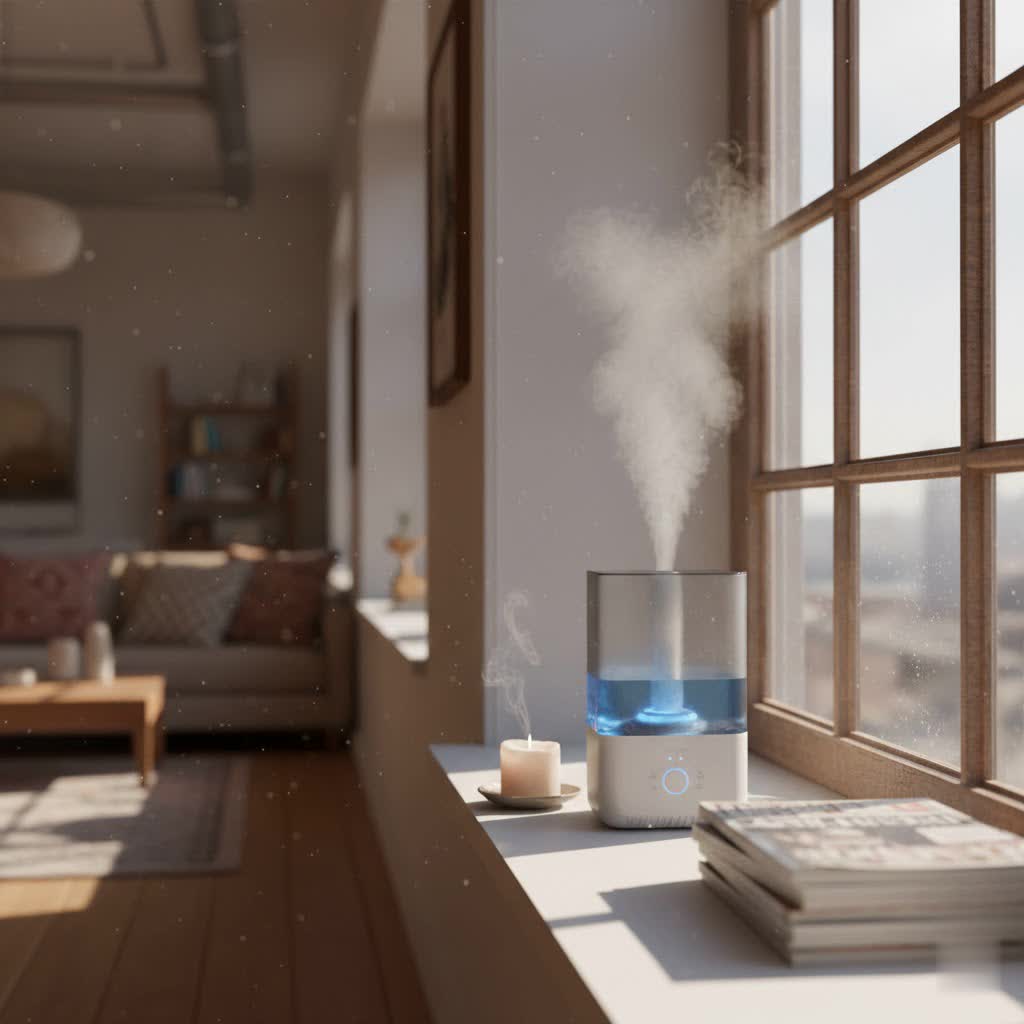
A cool mist humidifier releases a fine, room-temperature vapor into the air, increasing the humidity level of your indoor environment. Unlike warm mist humidifiers, which boil water to create steam, cool mist models operate without a heating element. This fundamental difference makes them a safer choice, especially in households with children or pets, as it eliminates the risk of accidental burns or scalds from hot water or steam.
The benefits of maintaining an optimal humidity level (typically between 30-50%) are numerous. For infants and children, a cool mist humidifier can be a game-changer, helping to loosen mucus and ease nasal congestion, making it easier for them to breathe and sleep, particularly during colds or allergy seasons. Adults also experience relief from dry skin, chapped lips, and irritated throats. The added moisture can even help prevent nosebleeds caused by dry air and may reduce the survival rate of certain viruses in the air. Therefore, anyone living in a dry climate, experiencing seasonal dryness, or seeking relief from respiratory discomfort can benefit from a cool mist humidifier.
Understanding Cool Mist Humidifier Types and Their Safety Aspects
Not all cool mist humidifiers are created equal. They primarily come in two types, each with its own mechanism and safety considerations:
Ultrasonic Humidifiers
|
Our Picks for the Best Cool Humidifier in 2026
As an Amazon Associate I earn from qualifying purchases.
|
||
| Num | Product | Action |
|---|---|---|
| 1 | LEVOIT Top Fill Humidifiers for Bedroom, 2.5L Tank for Large Room, Easy to Fill & Clean, 26dB Quiet Cool Mist Air Humidifier for Home Baby Nursery & Plants, Auto Shut-off and BPA-Free for Safety, 25H |

|
| 2 | AquaOasis® Cool Mist Humidifier (2.2L Water Tank) Quiet Ultrasonic Humidifiers for Bedroom & Large room - Adjustable -360 Rotation Nozzle, Auto-Shut Off, Humidifiers for Babies Nursery & Whole House |
|
| 3 | Humidifiers for Bedroom Large Room, 2.5L Cool Mist Humidifier with Essential Oil Diffuser, Top Fill Humidifier for Baby, Home, Plant, Ultrasonic Humidification for whole house, Auto Shut-Off |
|
| 4 | Dreo Smart Humidifiers for Bedroom, Top Fill 4L Supersized Humidifier Large Room with 28 dB, 36H Runtime, Touch/APP/Voice Control, Nightlight, Cool Mist Humidifiers for Baby, Plants, Indoor, Black |
|
| 5 | Clarston 2L Cool Mist Humidifier for Bedroom with 360° Adjustable Nozzle, High and Low Mist Levels, Ultra-Low Noise, Light-Off, No BPA, Auto Shut Off, Ideal Baby Humidifier with Easy Top Filling |
|
| 6 | Homvana Humidifiers for Bedroom Home, 3.6 L Cool Mist Top-Fill 34H Super Long Time, Quiet 23dB, Baby Humidifier, Oil Diffuser for Large Room, House, Plant, Nursery, Office, BPA FREE, Ultrasonic (Grey) |
|
| 7 | MEGAWISE 3.5L Cool Mist Humidifier – Ultra-Quiet Ultrasonic Vaporizer with Top-Fill Design, Essential Oil Diffuser, 7-Color Night Light & Auto Shut-Off |
|
| 8 | Humidifiers for Bedroom - GloryAir 2.38Gal/9L Top Fill Warm & Cool Mist Humidifier for Large Room 750ft² with Auto Mode 7-Color Light, Humidistat, Quiet Humidifier for Plants Baby Adults Home & Office |
|
| 9 | Dreo Humidifiers for Bedroom, 4L Top Fill for Large Room, 36H Runtime, 28 dB Quiet Supersized Cool Mist Air Humidifier for Baby Nursery, Plants, Indoor, Night Light, Easy to Clean & Fill, White |
|
| 10 | Humidifiers for Bedroom, 2.0L Cool Mist Humidifier for Home Plant and Baby Nursery, Quiet Ultrasonic Humidifier with 360° Nozzle, Auto Shut-Off, Filterless, Black |
|
Ultrasonic humidifiers use a metal diaphragm vibrating at ultrasonic frequency to break water into a fine mist. They are highly popular due to their quiet operation and energy efficiency. However, their safety profile comes with a significant caveat: they aerosolize everything present in the water, including minerals, bacteria, and mold spores.
“People should be especially cautious with ultrasonic or ‘cool mist’ humidifiers… they turn everything that’s in the water into mist, too. Bacteria, chemicals, minerals, mold — they aerosolize all that stuff to the right particulate size that you breathe it right into your lungs, and it can be toxic.” – Robin Deterding, MD, Medical Director, Breathing Institute, Children’s Hospital Colorado
This means that if you use tap water, the minerals can create “white dust” that settles on surfaces and can be inhaled, potentially causing respiratory issues. More alarmingly, stagnant water can become a breeding ground for bacteria and mold, which are then dispersed into the air you breathe. For safe operation, ultrasonic humidifiers absolutely require distilled water and diligent cleaning.
Evaporative Humidifiers
Evaporative humidifiers work by using a fan to draw air through a wet wick or filter, which absorbs water from a reservoir. As the air passes over the wet filter, the water evaporates naturally into the air, releasing cool, invisible moisture. These models are generally considered cleaner because the evaporation process leaves most minerals and impurities behind in the filter, reducing the risk of “white dust.”
While evaporative humidifiers might be noisier due to the fan and require regular filter replacement, they tend to emit fewer airborne contaminants if the filter is kept clean. The primary safety concern here is ensuring the wick filter is changed regularly to prevent mold and bacterial growth, which can still occur in the standing water if neglected.
Impeller Humidifiers
Less common today, impeller humidifiers use a rapidly spinning disc to break water into fine droplets, which are then released as a cool mist. Their mechanism is similar to ultrasonic in that they can also aerosolize minerals and microorganisms from tap water.
Essential Safety Features to Look for in a Cool Mist Humidifier
When selecting a cool mist humidifier, particularly one that prioritizes safety, consider these crucial features:
- Automatic Shut-Off: This vital feature ensures the humidifier turns off automatically when the water tank is empty, preventing motor burnout and potential hazards.
- Easy-to-Clean Design: Given the importance of frequent cleaning, look for models with wide tank openings, removable parts, and smooth surfaces that allow for thorough scrubbing. Some humidifiers even come with cleaning brushes. Top-fill designs are often praised for their ease of refilling and cleaning.
- Quiet Operation: While not directly a safety feature, a quiet humidifier is essential for nurseries or bedrooms, ensuring it doesn’t disturb sleep. Ultrasonic models are generally known for their quiet performance.
- Optimal Mist Control and Coverage: Adjustable mist settings allow you to control the humidity level, preventing over-humidification. Features like a 360° rotating mist cap ensure even distribution of moisture throughout the room.
- Child-Safe Design: If the humidifier is for a child’s room, ensure it has a stable base to prevent tipping and that power cords can be safely managed and kept out of reach to avoid strangulation hazards.
- Filter-Free vs. Filtered: Filter-free models can reduce ongoing costs and hassle, but they critically rely on distilled water for safety. Filtered evaporative models, while requiring filter replacement, can offer an extra layer of protection against mineral and microbial dispersal if filters are changed regularly.
Top Cool Mist Humidifiers Prioritizing Safety
While specific product recommendations can change rapidly, the “top” cool mist humidifiers that prioritize safety consistently feature the characteristics mentioned above. Brands like Safety 1st, Crane, Levoit, and Vicks often offer models designed with user-friendly features that support safe operation. When evaluating these, focus on:
- Materials: Look for BPA-free plastics, especially if using it for a baby.
- Durability: A well-built unit is less likely to leak or malfunction.
- Ease of Maintenance: This is the single most important factor for long-term safe use. Models with minimal nooks and crannies, easily accessible tanks, and clear cleaning instructions are preferable.
- Humidity Control: Some advanced models include a built-in humidistat to automatically maintain desired humidity levels, preventing excessive moisture.
Crucial Safety Practices: How to Use and Maintain Your Cool Mist Humidifier
The safety of your cool mist humidifier largely depends on how you use and maintain it. Neglecting these practices can turn a beneficial device into a source of airborne contaminants.
Water Quality: Distilled is Key
Always use distilled water in your cool mist humidifier, especially in ultrasonic models. Tap water contains minerals that, when aerosolized, can form “white dust” that irritates lungs and leaves deposits on furniture. More importantly, these minerals can promote bacterial and mold growth within the tank, which are then released into the air. Avoid adding any chemicals or disinfectants to the water, as these can also become airborne and harmful.
Cleaning and Disinfecting: A Non-Negotiable Routine
Regular cleaning is the most critical safety measure.
- Daily: Empty any leftover water and wipe the tank dry after each use. Refill only when you are about to use it again.
- Every 1-3 Days: Perform a thorough cleaning. Unplug the unit, disassemble removable parts, and clean the tank and base.
- For mineral scale buildup: Use a solution of 1 cup white vinegar and 1 cup water. Let it soak for 20 minutes, then scrub with a soft brush and rinse thoroughly.
- For microbes: Clean all parts with mild dish soap and warm water, scrubbing surfaces to remove any film or deposits. Rinse thoroughly to ensure no soap residue remains.
- Avoid Harsh Chemicals: Never use bleach or other strong chemical cleaners, as their fumes can be toxic if inhaled when the humidifier is running.
Humidity Control: Finding the Sweet Spot
Monitor the humidity levels in your room using a hygrometer. The ideal indoor humidity should be between 30% and 50%. Over-humidification can lead to its own set of problems, including:
- Mold and Dust Mite Growth: High humidity encourages the proliferation of mold and dust mites, which can trigger allergies and respiratory issues.
- Damage to Home: Excessive moisture can condense on walls, windows, and furniture, potentially causing damage.
If condensation appears or the room feels damp, reduce the humidifier’s output or use it intermittently.
Placement and Cord Safety
Place your humidifier on a firm, flat, water-resistant surface, out of reach of children and pets. Ensure there’s adequate clear space around the unit for proper mist dispersal and to prevent dampness. Avoid placing it near absorbent materials like carpets or curtains, as prolonged dampness can lead to mold growth. Always secure power cords to prevent tripping hazards or accidental pulling of the unit.
No Additives: Keep it Pure
Resist the temptation to add essential oils, vapor rubs, or medications directly into the humidifier’s water tank unless the manufacturer explicitly states it is safe and designed for such use. Essential oils can damage the humidifier’s components and, when aerosolized, can irritate respiratory systems, particularly in infants and individuals with asthma.
Navigating Potential Risks: What to Watch Out For
Even with diligent care, it’s crucial to be aware of potential issues that can arise:
- “White Dust”: This powdery residue on surfaces near your humidifier indicates mineral dispersal from tap water. While generally considered harmless to most, prolonged inhalation of these fine particulates, especially by infants or those with lung conditions, could potentially cause irritation or even serious lung injury. Switching to distilled water is the immediate solution.
- Mold and Bacteria Growth: If your humidifier develops a pinkish, black, or slimy film, it’s a sign of microbial growth. These microorganisms can be dispersed into the air, leading to symptoms like humidifier fever, flu-like illness, or more serious respiratory infections, especially in vulnerable individuals. Regular, thorough cleaning is the best defense.
- Over-humidification: Constantly high humidity levels (above 60%) create an ideal environment for mold, mildew, and dust mites to flourish throughout your home, exacerbating allergies and asthma. Always monitor humidity levels and adjust accordingly.
Conclusion
A cool mist humidifier can be a powerful tool for enhancing comfort and promoting better health, especially for families with young children. However, its effectiveness and safety are entirely contingent upon informed choices and rigorous adherence to proper usage and maintenance protocols. By choosing a humidifier with essential safety features, committing to using distilled water, and making cleaning a regular priority, you can confidently transform dry air into a healthy, comfortable, and truly safe breathing environment for everyone. Prioritizing safety is not just an option; it’s the foundation of healthy humidification.
What steps will you take today to ensure your cool mist humidifier is a guardian of good health, not a hidden hazard?
Frequently Asked Questions
Is white dust from a humidifier harmful?
White dust is primarily mineral residue from tap water that has been aerosolized. While generally harmless for most healthy individuals, it can potentially irritate the lungs, especially in infants or those with respiratory sensitivities. Using distilled water can entirely prevent its formation.
How often should I clean my cool mist humidifier?
For optimal safety and performance, you should empty and dry your humidifier’s tank daily. A thorough cleaning with vinegar and water is recommended every 1 to 3 days to prevent the buildup of mineral deposits, mold, and bacteria.
Can I use tap water in my cool mist humidifier?
It is strongly recommended to use distilled water in your cool mist humidifier. Tap water contains minerals that can create “white dust” and foster the growth of bacteria and mold, which are then released into the air and can pose health risks.
Are essential oils safe in cool mist humidifiers for babies?
No, it is generally advised against adding essential oils or vapor rubs to cool mist humidifiers, especially when used for babies. These substances can damage the humidifier and, more importantly, may irritate a baby’s sensitive respiratory system.
What’s the ideal humidity level for a room?
The ideal indoor humidity level for comfort and health is typically between 30% and 50%. Levels above 60% can encourage the growth of mold, mildew, and dust mites, leading to other health and home issues.
