Do you often wake up with a dry throat, experience flaky skin, or notice static electricity crackling through your home? These are common signs of overly dry indoor air, a problem that can impact your health and comfort. A cool humidifier is an essential appliance designed to infuse your environment with beneficial moisture, transforming dry, irritating air into a soothing oasis. By understanding how these devices work and choosing the right one, you can alleviate common dry air woes and create a healthier living space.
What is a Cool Humidifier and Why Do You Need One?
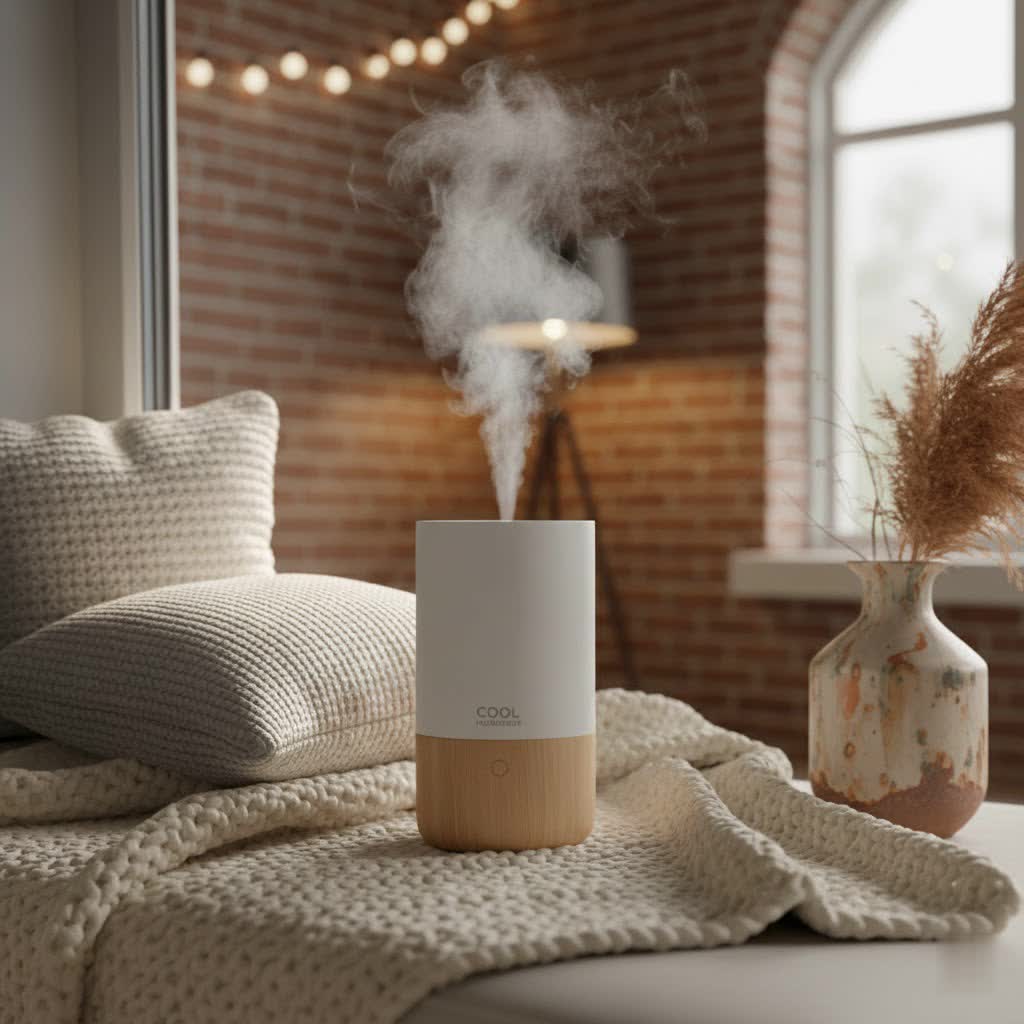
A cool humidifier releases a fine, room-temperature mist into the air, effectively raising the humidity levels in your home. Unlike warm mist humidifiers that boil water, cool mist versions operate without a heating element, making them a safer choice for households with children and pets. They address a myriad of issues caused by dry indoor air, which is particularly prevalent during colder months or in arid climates.
The benefits of maintaining optimal humidity (typically between 30% to 50%) with a cool humidifier are significant. They play a crucial role in improving respiratory health, alleviating symptoms of colds, flu, allergies, and sinus congestion by keeping nasal passages moist and reducing irritation. Many find relief from dry coughs and sore throats. Beyond respiratory benefits, cool humidifiers hydrate your skin and hair, combating dryness and itchiness. They also contribute to a healthier home by potentially reducing the spread of airborne viruses and protecting wooden furniture and houseplants from damage caused by lack of moisture.
Omar Waqar, M.D., an allergist at ENT and Allergy Associates, emphasizes the importance of keeping a room’s humidity somewhere between 30% and 40% for comfort and health. Essentially, anyone experiencing discomfort from dry air, especially those with allergies, asthma, or simply seeking a more comfortable indoor environment, can benefit greatly from a cool humidifier.
Types of Cool Humidifiers on the Market
Cool humidifiers come in various types, each utilizing a distinct method to release moisture into the air. Understanding these differences can help you select the model that best suits your needs. The two primary types are ultrasonic and evaporative humidifiers.
Ultrasonic Humidifiers
Ultrasonic cool mist humidifiers employ a small metal diaphragm that vibrates at a high, ultrasonic frequency. This vibration breaks water into microscopic droplets, which are then dispersed into the air as a visible, fine mist.
- Pros: Ultrasonic models are generally known for their whisper-quiet operation, making them ideal for bedrooms and nurseries. Many are filter-free, simplifying maintenance. They often provide a high moisture output, quickly humidifying a space.
- Cons: A common issue with ultrasonic humidifiers is “white dust.” This occurs when minerals present in tap water are released into the air and settle on surfaces. Using distilled or demineralized water or demineralization cartridges can mitigate this.
|
Our Picks for the Best Cool Humidifier in 2026
As an Amazon Associate I earn from qualifying purchases.
|
||
| Num | Product | Action |
|---|---|---|
| 1 | Clarston 2L Cool Mist Humidifier for Bedroom with 360° Adjustable Nozzle, High and Low Mist Levels, Ultra-Low Noise, Light-Off, No BPA, Auto Shut Off, Ideal Baby Humidifier with Easy Top Filling |

|
| 2 | Homvana Humidifiers for Bedroom Home, 3.6 L Cool Mist Top-Fill 34H Super Long Time, Quiet 23dB, Baby Humidifier, Oil Diffuser for Large Room, House, Plant, Nursery, Office, BPA FREE, Ultrasonic (Grey) |
|
| 3 | Humidifiers for Bedroom - GloryAir 2.38Gal/9L Top Fill Warm & Cool Mist Humidifier for Large Room 750ft² with Auto Mode 7-Color Light, Humidistat, Quiet Humidifier for Plants Baby Adults Home & Office |
|
| 4 | Humidifiers for Bedroom, 2.0L Cool Mist Humidifier for Home Plant and Baby Nursery, Quiet Ultrasonic Humidifier with 360° Nozzle, Auto Shut-Off, Filterless, Black |
|
| 5 | AquaOasis® Cool Mist Humidifier (2.2L Water Tank) Quiet Ultrasonic Humidifiers for Bedroom & Large room - Adjustable -360 Rotation Nozzle, Auto-Shut Off, Humidifiers for Babies Nursery & Whole House |
|
| 6 | LEVOIT Top Fill Humidifiers for Bedroom, 2.5L Tank for Large Room, Easy to Fill & Clean, 26dB Quiet Cool Mist Air Humidifier for Home Baby Nursery & Plants, Auto Shut-off and BPA-Free for Safety, 25H |
|
| 7 | MEGAWISE 3.5L Cool Mist Humidifier – Ultra-Quiet Ultrasonic Vaporizer with Top-Fill Design, Essential Oil Diffuser, 7-Color Night Light & Auto Shut-Off |
|
| 8 | Dreo Smart Humidifiers for Bedroom, Top Fill 4L Supersized Humidifier Large Room with 28 dB, 36H Runtime, Touch/APP/Voice Control, Nightlight, Cool Mist Humidifiers for Baby, Plants, Indoor, Black |
|
| 9 | Humidifiers for Bedroom Large Room, 2.5L Cool Mist Humidifier with Essential Oil Diffuser, Top Fill Humidifier for Baby, Home, Plant, Ultrasonic Humidification for whole house, Auto Shut-Off |
|
| 10 | Dreo Humidifiers for Bedroom, 4L Top Fill for Large Room, 36H Runtime, 28 dB Quiet Supersized Cool Mist Air Humidifier for Baby Nursery, Plants, Indoor, Night Light, Easy to Clean & Fill, White |
|
Evaporative Humidifiers
Evaporative cool mist humidifiers utilize a fan to draw dry air through a moistened wick filter. As the air passes over the saturated filter, water naturally evaporates into the room, adding invisible moisture.
- Pros: Evaporative humidifiers are self-regulating, meaning they won’t over-humidify a room because the air will only absorb as much moisture as it can hold. The wick filter also helps to trap minerals and impurities from the water before they become airborne, reducing white dust.
- Cons: These units typically use a fan, which can make them noisier than ultrasonic models. They also require regular filter replacement, adding to ongoing maintenance costs.
Impeller Humidifiers
A less common type, impeller humidifiers, use a rotating disk at high speed to propel water through a diffuser, breaking it into tiny droplets that form a cool mist. While often inexpensive, they can produce mechanical noise. For simplicity and efficacy, most modern cool humidifiers fall into the ultrasonic or evaporative categories.
Top Cool Humidifiers Favored Today
Choosing the right cool humidifier involves weighing performance, noise, ease of cleaning, and special features. Here are some of the top-rated models that consistently stand out for their effectiveness and user satisfaction:
- Levoit OasisMist Smart Humidifier: Frequently lauded as an excellent all-around choice, the Levoit OasisMist 450S Smart offers the versatility of both cool and warm mist options. It’s praised for its ease of use, generous humidity output, and smart features accessible via an app, allowing for scheduled operation and target humidity settings. Its top-fill design simplifies refills, and it often includes an essential oil diffuser tray.
- Vicks 3-in-1 SleepyTime Humidifier: Ideal for bedrooms and nurseries, this Vicks model is designed with quiet operation in mind. Its 3-in-1 functionality often includes a nightlight and the ability to use VapoPads for soothing relief during colds. It prioritizes safety and ease of use for family environments.
- Lacidoll Cool Mist Ultrasonic Whole House Humidifier: For those needing to humidify larger areas, the Lacidoll offers a substantial capacity (over four gallons) and can cover up to 1,000 square feet. It’s noted for its quick humidification on high settings and an easy top-fill design. Some models also include an essential oil diffuser.
- Dreo HM311: A strong budget-friendly option, the Dreo HM311 is often recommended for occasional users due to its simple interface and effective humidification. It provides reliable performance without an extensive array of smart features, making it a straightforward choice.
- Everlasting Comfort Cool Mist Humidifier: Known for its large capacity (often 6L) and filter-free ultrasonic operation, this humidifier is a good choice for larger rooms, plants, and individuals seeking relief from allergies and dry skin. It’s generally quiet and some versions include essential oil diffusion and a nightlight.
These humidifiers offer a range of features and price points, catering to different household needs, from small bedrooms to large living spaces.
Comparison Table of Leading Cool Humidifier Models
To help you make an informed decision, here’s a detailed comparison of some popular cool humidifier models:
| Model | Price Range | Tank Capacity | Noise Level | Key Features | Best For |
|---|---|---|---|---|---|
| Levoit OasisMist Smart Humidifier | Mid-High | ~4-6 Liters | Quiet | Dual mist (cool/warm), smart app control, essential oil diffuser, top-fill | Overall, Bedrooms, Smart Home |
| Vicks 3-in-1 SleepyTime Humidifier | Low-Mid | ~2.5 Liters | Quiet | Nightlight, VapoPad compatible, compact | Nurseries, Small Bedrooms |
| Lacidoll Cool Mist Whole House Humidifier | Mid-High | >15 Liters | Moderate | Large coverage (up to 1000 sq ft), high output, top-fill, essential oil diffuser | Large Rooms, Whole House |
| Dreo HM311 Humidifier | Low | ~6 Liters | Quiet-Moderate | Simple interface, long runtime, effective humidification | Budget-Conscious, Occasional Use |
| Everlasting Comfort Cool Mist Humidifier | Mid | ~6 Liters | Quiet | Filter-free ultrasonic, large capacity, essential oil diffuser, nightlight | Large Rooms, Plants, Allergies |
Note: Price ranges are approximate and can vary by retailer and promotions.
Your Guide to Choosing the Right Cool Humidifier (Buying Guide)
Selecting the ideal cool humidifier involves considering several critical factors to ensure it meets your specific needs.
- Room Size and Coverage: This is paramount. An undersized unit won’t be effective, while an oversized one can lead to excessive humidity, promoting mold and mildew. Humidifiers are rated for specific square footage. For a small bedroom, a personal or tabletop unit suffices, while larger living areas or open-plan homes may require a console or whole-house model. Brad Roberson, president of Aire Serv, cautions against oversizing, noting it “can lead to organic growth, such as mold and mildew.”
- Tank Capacity and Runtime: A larger water tank means less frequent refills. If you want a humidifier to run all night or for extended periods, opt for a model with a capacity of 4 liters or more.
- Noise Level: For bedrooms or quiet spaces, an ultrasonic humidifier is generally preferred for its near-silent operation. Evaporative models, due to their fans, can produce more white noise, which some find soothing, while others find it disruptive.
- Key Features:
- Built-in Humidistat: Allows you to set a desired humidity level, and the unit will automatically turn on and off to maintain it.
- Automatic Shut-off: Essential for safety, as it turns off the unit when the water tank is empty.
- Adjustable Mist Output: Provides control over how much moisture is released.
- Essential Oil Diffuser: A tray or compartment to add essential oils for aromatherapy.
- Nightlight/Sleep Mode: Useful for bedrooms, often with dimmable lights and quieter operation.
- Smart Features: App control, voice commands, and scheduling offer convenience.
- Ease of Cleaning and Maintenance: Look for models with wide tank openings and removable, dishwasher-safe components to simplify regular cleaning and prevent mineral buildup and microbial growth.
- Filter vs. Filter-Free: Ultrasonic humidifiers are often filter-free but may require distilled water or demineralization cartridges. Evaporative humidifiers use filters that need regular cleaning and replacement, which adds to ongoing costs.
- Budget: Cool humidifiers are available across a wide price spectrum. Determine what features are most important to you and align them with your budget.
Tips for Specific Users: For nurseries, safety is key, making cool mist the only recommended option. For allergy sufferers, evaporative models with filters can be beneficial as they trap airborne impurities, but consistent cleaning of both types is crucial to prevent mold, a common allergen.
Reputable brands like Levoit, Vicks, Honeywell, and Dreo consistently offer reliable cool mist humidifiers, backed by user reviews and testing.
How to Use and Maintain Your Cool Humidifier Properly
Proper usage and consistent maintenance are crucial for ensuring your cool humidifier operates safely, effectively, and prolongs its lifespan. Without regular cleaning, humidifiers can become breeding grounds for mold and bacteria, which can then be dispersed into your air, counteracting their intended benefits.
Safe and Effective Use
- Placement: Place your humidifier on a flat, waterproof surface, away from electronics, fabrics, and direct sunlight. Avoid placing it too close to walls, as this can lead to moisture buildup.
- Optimal Humidity Levels: Aim for relative humidity between 30% and 50%. Most humidifiers with a built-in humidistat will help you maintain this automatically. Excessive humidity can promote mold growth and damage wood.
- Water Quality: While tap water is generally acceptable, using distilled or demineralized water is highly recommended for ultrasonic humidifiers to prevent the “white dust” caused by mineral deposits.
- Daily Rinse and Refill: Empty the water tank daily, rinse it thoroughly with clean water, and refill with fresh water. If your model has a wick filter, flip it over daily to ensure even saturation and prolong its life.
Cleaning Your Cool Humidifier
Regular cleaning is paramount. Carolyn Forté, executive director of the Good Housekeeping Institute Home Care & Cleaning Lab, advises following your specific model’s manual for best results, but outlines general steps:
- Disassemble: Always unplug the unit and disassemble all removable parts (tank, base, trays) before cleaning.
- Descale (Weekly):
- Vinegar Method: Pour 1-2 cups of undiluted white vinegar into the water tank and swish it around to coat the interior. For the base, pour vinegar directly into the reservoir. Let it stand for 15-30 minutes to loosen mineral buildup. Use a small, soft brush or sponge to scrub away any deposits. Rinse all parts thoroughly until the vinegar smell is gone. You can also run the humidifier with pure vinegar for 10-15 minutes, then rinse well.
- Disinfect (Bi-weekly or Monthly):
- Bleach Method: Never mix bleach and vinegar. If you used vinegar, ensure all parts are thoroughly rinsed before this step. Mix 1 teaspoon of liquid chlorine bleach with 1 gallon of water. Pour this solution into the tank and/or base, swishing to coat surfaces. Let it stand for 15-20 minutes. Empty the solution and rinse all parts meticulously with clean water until there is no bleach odor.
- Hydrogen Peroxide: A 3% hydrogen peroxide solution can also be used as an alternative disinfectant.
- Filter Maintenance: For evaporative models, clean or replace filters regularly (typically every 30-60 days), or sooner if they become hard, discolored, or develop an odor. Never wash filters with soap or chemicals.
- Dry Completely: After cleaning, allow all components to air dry completely before reassembling the unit or storing it.
Common Issues and Troubleshooting
- White Dust: As mentioned, this is due to minerals in hard water. Switch to distilled water or use a demineralization cartridge.
- Mold/Mildew Smell: Indicates insufficient cleaning. Immediately disassemble and clean thoroughly with a bleach solution. Increase cleaning frequency.
- Reduced Mist Output: Check if the unit needs cleaning, the filter needs replacing (for evaporative models), or if there’s mineral buildup on the ultrasonic nebulizer.
By adhering to these simple steps, your cool humidifier will continue to provide clean, healthy moisture for your home.
Conclusion
Cool humidifiers are indispensable tools for enhancing comfort and well-being, especially in dry environments. From soothing respiratory issues and hydrating skin to protecting your home’s furnishings, the benefits are clear. With various types like the quiet ultrasonic and the self-regulating evaporative models, there’s a cool humidifier designed to meet every household’s unique needs. By considering factors like room size, features, and committing to proper maintenance, you can ensure your chosen device provides consistent, healthy moisture for years to come.
Ready to transform your indoor air quality and enjoy the many benefits of balanced humidity? Which cool humidifier feature is most important for your home?
Frequently Asked Questions
How often should I clean my cool mist humidifier?
For optimal health and performance, it’s recommended to rinse and refill your humidifier tank daily. A more thorough descaling with vinegar should be done weekly, and disinfecting with bleach or hydrogen peroxide every two to four weeks, depending on usage and water quality.
Can cool mist humidifiers help with allergies?
Yes, cool mist humidifiers can significantly help alleviate allergy symptoms. By adding moisture to the air, they help soothe irritated nasal passages and throats, thin mucus, and can make airborne allergens like dust and pollen heavier, causing them to settle faster and reducing their circulation.
Is white dust from a humidifier harmful?
White dust, primarily mineral deposits from tap water, is generally not considered harmful in small amounts but can irritate respiratory systems in sensitive individuals or those with existing conditions. Using distilled or demineralized water or special cartridges can prevent its formation.
Are cool mist humidifiers safe for babies?
Cool mist humidifiers are the safest type for babies and children because they do not use a heating element, eliminating the risk of burns from hot water or steam. They help relieve congestion and dry skin, making them beneficial for a child’s comfort.
