As a seasoned technician with over a decade in the humidification field, I’ve seen countless models come and go, but cool mist technology continues to be a cornerstone of healthy indoor environments. Dry air can turn a comfortable home into a source of constant irritation, affecting everything from your skin to your respiratory health. This comprehensive guide will delve into Honeywell cool moisture humidifiers, offering insights and recommendations to help you find the perfect model for your needs.
What is a Cool Moisture Humidifier and Why Do You Need One?
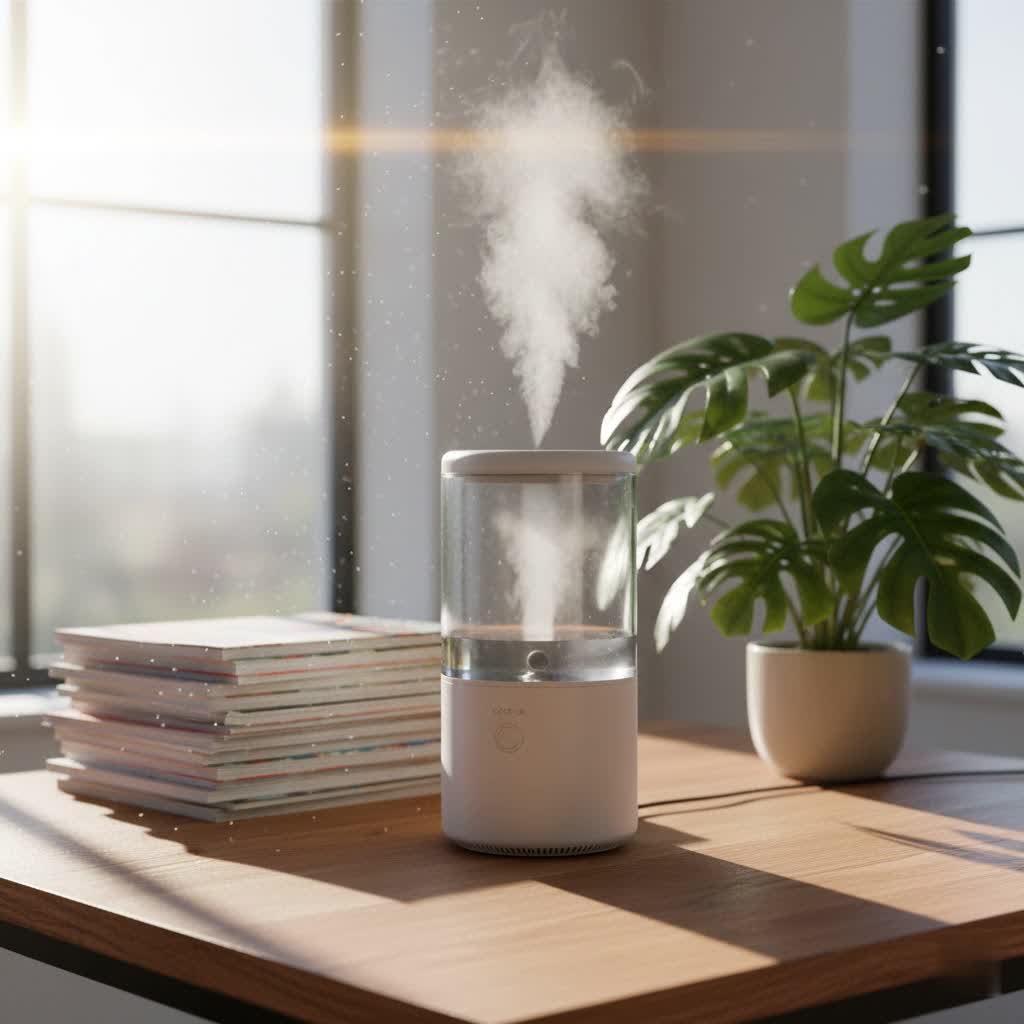
A cool moisture humidifier introduces invisible, room-temperature humidity into your living space, effectively combating the dryness that often accompanies heating systems or arid climates. Unlike warm mist alternatives that boil water, cool moisture humidifiers use a fan to evaporate water from a wicking filter or ultrasonic vibrations to create a fine mist. This process makes them inherently safer, especially in homes with children or pets, as there’s no hot water or steam to pose a burn risk.
The benefits extend far beyond just comfort. Maintaining an indoor humidity level between 40-60% can significantly alleviate dry air discomforts. This includes reducing dry, itchy skin, chapped lips, and even nosebleeds. For those battling seasonal allergies or frequent colds, a properly humidified environment can soothe irritated nasal passages and throats, offering relief from congestion and coughing. Furthermore, adequate humidity can help protect wooden furniture and flooring from drying out and cracking, while also reducing static electricity and promoting healthier houseplants.
Whether you live in a perpetually dry climate, experience harsh winters, or simply seek to improve your home’s overall air quality for health reasons, a cool moisture humidifier is an essential tool. It’s particularly beneficial for infants, young children, and the elderly, who are often more susceptible to the adverse effects of dry air.
Exploring Types of Cool Humidifiers: Ultrasonic vs. Evaporative
Cool moisture humidifiers generally fall into two main categories, each with its own mechanism for adding moisture to the air:
Ultrasonic Cool Mist Humidifiers
These devices use a metal diaphragm that vibrates at an ultrasonic frequency, breaking water into a microscopic cool mist that is then released into the air.
- Pros: Ultrasonic humidifiers are typically very quiet, making them ideal for bedrooms and nurseries. They are also often filter-free, which can reduce ongoing maintenance costs. Many are energy-efficient due to the lack of a heating element or powerful fan.
- Cons: A common issue with ultrasonic models is the potential for “white dust.” This fine, powdery residue is left behind by minerals present in tap water when they are dispersed into the air. To minimize this, using distilled water is highly recommended, or at least a mixture of distilled and tap water. Frequent cleaning is also essential to prevent mineral buildup on the vibrating disc.
|
Our Picks for the Best Cool Humidifier in 2026
As an Amazon Associate I earn from qualifying purchases.
|
||
| Num | Product | Action |
|---|---|---|
| 1 | Homvana Humidifiers for Bedroom Home, 3.6 L Cool Mist Top-Fill 34H Super Long Time, Quiet 23dB, Baby Humidifier, Oil Diffuser for Large Room, House, Plant, Nursery, Office, BPA FREE, Ultrasonic (Grey) |

|
| 2 | Clarston 2L Cool Mist Humidifier for Bedroom with 360° Adjustable Nozzle, High and Low Mist Levels, Ultra-Low Noise, Light-Off, No BPA, Auto Shut Off, Ideal Baby Humidifier with Easy Top Filling |
|
| 3 | Dreo Humidifiers for Bedroom, 4L Top Fill for Large Room, 36H Runtime, 28 dB Quiet Supersized Cool Mist Air Humidifier for Baby Nursery, Plants, Indoor, Night Light, Easy to Clean & Fill, White |
|
| 4 | LEVOIT Top Fill Humidifiers for Bedroom, 2.5L Tank for Large Room, Easy to Fill & Clean, 26dB Quiet Cool Mist Air Humidifier for Home Baby Nursery & Plants, Auto Shut-off and BPA-Free for Safety, 25H |
|
| 5 | Humidifiers for Bedroom, 2.0L Cool Mist Humidifier for Home Plant and Baby Nursery, Quiet Ultrasonic Humidifier with 360° Nozzle, Auto Shut-Off, Filterless, Black |
|
| 6 | Dreo Smart Humidifiers for Bedroom, Top Fill 4L Supersized Humidifier Large Room with 28 dB, 36H Runtime, Touch/APP/Voice Control, Nightlight, Cool Mist Humidifiers for Baby, Plants, Indoor, Black |
|
| 7 | Humidifiers for Bedroom - GloryAir 2.38Gal/9L Top Fill Warm & Cool Mist Humidifier for Large Room 750ft² with Auto Mode 7-Color Light, Humidistat, Quiet Humidifier for Plants Baby Adults Home & Office |
|
| 8 | AquaOasis® Cool Mist Humidifier (2.2L Water Tank) Quiet Ultrasonic Humidifiers for Bedroom & Large room - Adjustable -360 Rotation Nozzle, Auto-Shut Off, Humidifiers for Babies Nursery & Whole House |
|
| 9 | MEGAWISE 3.5L Cool Mist Humidifier – Ultra-Quiet Ultrasonic Vaporizer with Top-Fill Design, Essential Oil Diffuser, 7-Color Night Light & Auto Shut-Off |
|
| 10 | Humidifiers for Bedroom Large Room, 2.5L Cool Mist Humidifier with Essential Oil Diffuser, Top Fill Humidifier for Baby, Home, Plant, Ultrasonic Humidification for whole house, Auto Shut-Off |
|
Evaporative Cool Moisture Humidifiers
Evaporative humidifiers utilize a fan to draw dry air through a moist wick filter. As the water evaporates from the filter, clean, invisible moisture is released into the room.
- Pros: These humidifiers are naturally self-regulating, meaning they will only add as much moisture as the air can absorb, preventing over-humidification. The wicking filter also traps minerals and impurities, delivering a cleaner mist and significantly reducing the “white dust” issue associated with ultrasonic models. They are generally effective for larger areas.
- Cons: Evaporative humidifiers typically require regular filter replacements, which adds to the operating cost and maintenance. The fan can also generate a gentle “white noise,” which some find soothing while others may find it noticeable.
Honeywell offers models that utilize both ultrasonic and evaporative technologies, allowing you to choose based on your specific priorities regarding noise, maintenance, and white dust prevention.
Top Honeywell Cool Moisture Humidifiers to Consider
Honeywell is a trusted name in home comfort, and their range of cool moisture humidifiers offers reliable performance and user-friendly features. Here are some top models worth exploring:
Honeywell HCM-350 UV Cool Moisture Germ Free Humidifier
This evaporative model stands out with its patented UV germ-killing process, which reportedly eliminates up to 99.9% of bacteria, mold, fungus, and viruses from the water before the moisture is released.
- Pros: Provides a cleaner, healthier mist thanks to UV technology. Uses QuietCare Technology for up to 25% quieter operation than comparable evaporative models. Easy to clean with some dishwasher-safe parts. Effective for medium-sized rooms, helping to relieve symptoms during cold and flu season.
- Cons: Requires replacement wicking filters. The fan, while quiet, still produces some ambient sound.
Honeywell HUL535B/HUL570 Top Fill Cool Mist Humidifier
These ultrasonic, filter-free models prioritize ease of use and maintenance. The top-fill design simplifies refills, and the filter-free operation eliminates the need for filter replacements.
- Pros: Filter-free design saves on recurring costs. Wide tank opening and simple design make cleaning and filling straightforward. Offers quiet operation (though a faint bubbling might be heard on higher settings). Features adjustable mist output and directional mist nozzles.
- Cons: As an ultrasonic model, it may produce white dust if tap water with high mineral content is used; distilled water is recommended. Designed for small to medium rooms.
Honeywell HEV620 Top Fill Cool Moisture Tower Humidifier
Another evaporative option, this tower humidifier offers versatility and smart features for larger spaces.
- Pros: Convenient top-fill design for easy refills. Features a programmable LED digital humidistat to monitor and control humidity levels. Utilizes a wicking filter to prevent white dust. Can humidify large rooms effectively with a long runtime.
- Cons: Requires filter replacement. Its larger size may require more dedicated space. The fan generates white noise.
Honeywell HUL430 Designer Series Cool Mist Humidifier
This filter-free ultrasonic humidifier combines sleek design with functional features for a modern home.
- Pros: Ultra-quiet operation. Customizable moisture output with an adjustable mist control. Includes an essential oil tray for aromatherapy. Features auto start and shut-off functions for efficient operation. Easy to fill and clean.
- Cons: Being filter-free and ultrasonic, it can produce white dust with hard tap water. Best suited for medium to large rooms.
Side-by-Side Comparison: Honeywell Cool Mist Humidifiers
| Model | Type | Room Size | Tank Capacity | Run Time (on low) | Filter Type | Key Features |
|---|---|---|---|---|---|---|
| HCM-350 | Evaporative | Medium | 1 Gallon | Up to 24 hrs | Wicking Filter | UV Germ-Killing, QuietCare, Easy Clean |
| HUL535B/HUL570 | Ultrasonic | Small to Medium | 1 Gallon | Up to 24-36 hrs | Filter-Free | Top Fill, Adjustable Mist, Quiet |
| HEV620 | Evaporative | Large | 1.25 Gallons | Up to 18-24 hrs | Wicking Filter | Top Fill, Digital Humidistat, Tower Design |
| HUL430 | Ultrasonic | Medium to Large | 1.25 Gallons | Up to 36 hrs | Filter-Free | Essential Oil Tray, Adjustable Mist, Auto Shut-off |
(Note: Prices can vary significantly based on retailer and promotions.)
Your Guide to Choosing the Right Honeywell Cool Moisture Humidifier
Selecting the ideal cool moisture humidifier involves considering several factors tailored to your home and lifestyle.
- Room Size: Humidifiers are rated for specific room sizes (e.g., small, medium, large, whole-house). Ensure the model you choose matches the square footage of the area you intend to humidify to avoid under- or over-humidification.
- Filter Preference: Do you prefer the lower ongoing cost of a filter-free ultrasonic unit, understanding you might need to use distilled water to prevent white dust? Or do you value the cleaner, self-regulating mist of an evaporative humidifier, even with the need for periodic filter replacements?
- Noise Level: For bedrooms, nurseries, or offices, quiet operation is often a top priority. Ultrasonic models are generally the quietest, though some evaporative models boast QuietCare technology.
- Special Features: Consider if features like a programmable humidistat, an essential oil tray, UV germ-killing technology, or a convenient top-fill design are important to you. These can enhance user experience and health benefits.
- Ease of Cleaning: All humidifiers require regular cleaning. Look for models with wide tank openings, easily accessible parts, or even dishwasher-safe components to simplify this crucial task.
- Budget & Running Costs: Factor in both the initial purchase price and ongoing costs like filter replacements (for evaporative models) or the cost of distilled water (for ultrasonic models to prevent white dust).
For babies or young children, a cool mist humidifier is always recommended over warm mist due to safety, eliminating the risk of burns. For allergy sufferers, an evaporative model with a wicking filter or a UV-enabled model like the HCM-350 can be particularly beneficial for delivering cleaner, impurity-free moisture.
Essential Care: Using and Maintaining Your Honeywell Cool Moisture Humidifier
Proper use and maintenance are critical for both the performance and longevity of your Honeywell cool moisture humidifier, as well as for ensuring it contributes to a healthy indoor environment.
Safe and Effective Use
- Placement: Place your humidifier on a flat, water-resistant surface away from direct sunlight, heat sources, and sensitive electronics. Ensure it’s not placed directly on carpet, which can restrict airflow.
- Filling: Always fill the tank with cool, fresh water. For ultrasonic models, using distilled water or a 50/50 mix with tap water is highly recommended to prevent “white dust” from mineral deposits.
- Settings: Adjust the mist output according to your comfort level and the room’s current humidity. Many Honeywell humidifiers feature an auto shut-off function when the water tank is empty, preventing the unit from running dry.
- Daily Refresh: Empty and rinse the water tank daily, refilling with fresh water to prevent stagnant water buildup.
Weekly Cleaning Routine
To prevent the growth of mold, bacteria, and mineral buildup, a thorough cleaning once a week is essential.
- Preparation: Turn off and unplug the humidifier. Empty any remaining water from the tank and base. Remove all detachable parts like the tank, mist nozzle, and filter (if applicable).
- Descaling (Mineral Removal):
- Pour two cups of undiluted distilled white vinegar into the water tank. Swish it around to coat the interior.
- Place the tank back on the base (or pour some vinegar into the base reservoir) to allow the vinegar to drain and loosen mineral deposits. Let it soak for at least 20 minutes, or longer for heavy buildup.
- After soaking, empty the vinegar. Use a soft cloth or brush to gently wipe away any loosened mineral scale from the tank, base, and nebulizer (the small vibrating disc in ultrasonic models).
- Rinse all components thoroughly with clean water until the smell of vinegar is gone.
- Disinfecting (Germ Elimination):
- Mix a solution of one gallon of water with one teaspoon of liquid household bleach. Wear gloves during this step.
- Pour this solution into the water tank, swish, and allow it to drain into the base, soaking all water-contacting surfaces for 20 minutes.
- Empty the bleach solution from the tank and base.
- Rinse all components repeatedly with clean water until the smell of bleach is completely absent.
- Filter Replacement (for Evaporative Models): Replace wicking filters every 1-3 months, or as recommended by the manufacturer, depending on water hardness and usage. A dirty filter can significantly reduce efficiency and harbor contaminants.
Addressing White Dust
If you notice white dust, it’s almost certainly due to minerals in your tap water. Switching to distilled water is the most effective preventative measure. Regular descaling will also help manage any buildup.
Conclusion
A Honeywell cool moisture humidifier is an invaluable addition to any home, providing a consistent stream of refreshing moisture that significantly improves air quality and personal comfort. From soothing dry skin and alleviating allergy symptoms to protecting your home’s interior, the benefits are clear. With various models offering unique features like germ-killing UV technology, filter-free convenience, and easy top-fill designs, there’s a Honeywell humidifier designed to meet almost every need. By understanding the different types, considering your specific requirements, and committing to a simple weekly cleaning routine, you can ensure your humidifier operates efficiently and effectively, transforming your living space into a haven of optimal humidity.
Ready to breathe easier and enjoy a more comfortable home? Which Honeywell cool moisture humidifier will you choose to enhance your indoor environment?
Frequently Asked Questions
How often should I clean my Honeywell cool mist humidifier?
It is recommended to clean your Honeywell cool mist humidifier at least once a week, or more frequently if you use it heavily or have hard water, to prevent mineral buildup and the growth of mold and bacteria.
Can I use tap water in my Honeywell cool mist humidifier?
While you can use tap water, especially in evaporative models, it is highly recommended to use distilled water in ultrasonic cool mist humidifiers to prevent the release of “white dust” caused by minerals in hard tap water.
Are Honeywell cool mist humidifiers good for allergies?
Yes, by maintaining optimal indoor humidity levels (40-60%), Honeywell cool mist humidifiers can help alleviate dry nasal passages and throats, which can be beneficial for reducing discomfort from allergies and respiratory symptoms.
What is “white dust” and how can I prevent it?
White dust is a powdery residue left by minerals present in tap water when ultrasonic humidifiers disperse them into the air. To prevent it, use distilled water in your humidifier. Regular descaling with white vinegar also helps remove mineral buildup.
Is a cool mist or warm mist humidifier better for a baby’s room?
A cool mist humidifier is generally considered better and safer for a baby’s room. It poses no burn risk from hot water or steam and effectively adds moisture to the air to help with congestion and dry skin.
