In our modern lives, we often overlook the invisible quality of the air we breathe indoors. Dry air, a common problem, can lead to a host of discomforts from parched skin and chapped lips to irritating coughs and stuffy sinuses. This is where a cool mist humidifier becomes an indispensable ally. If you’re seeking a simple yet effective solution to transform your indoor environment into a sanctuary of comfort and health, understanding the world of cool mist humidifiers is your first step towards better breathing and well-being.
What is a Cool Mist Humidifier and Why Do You Need It?
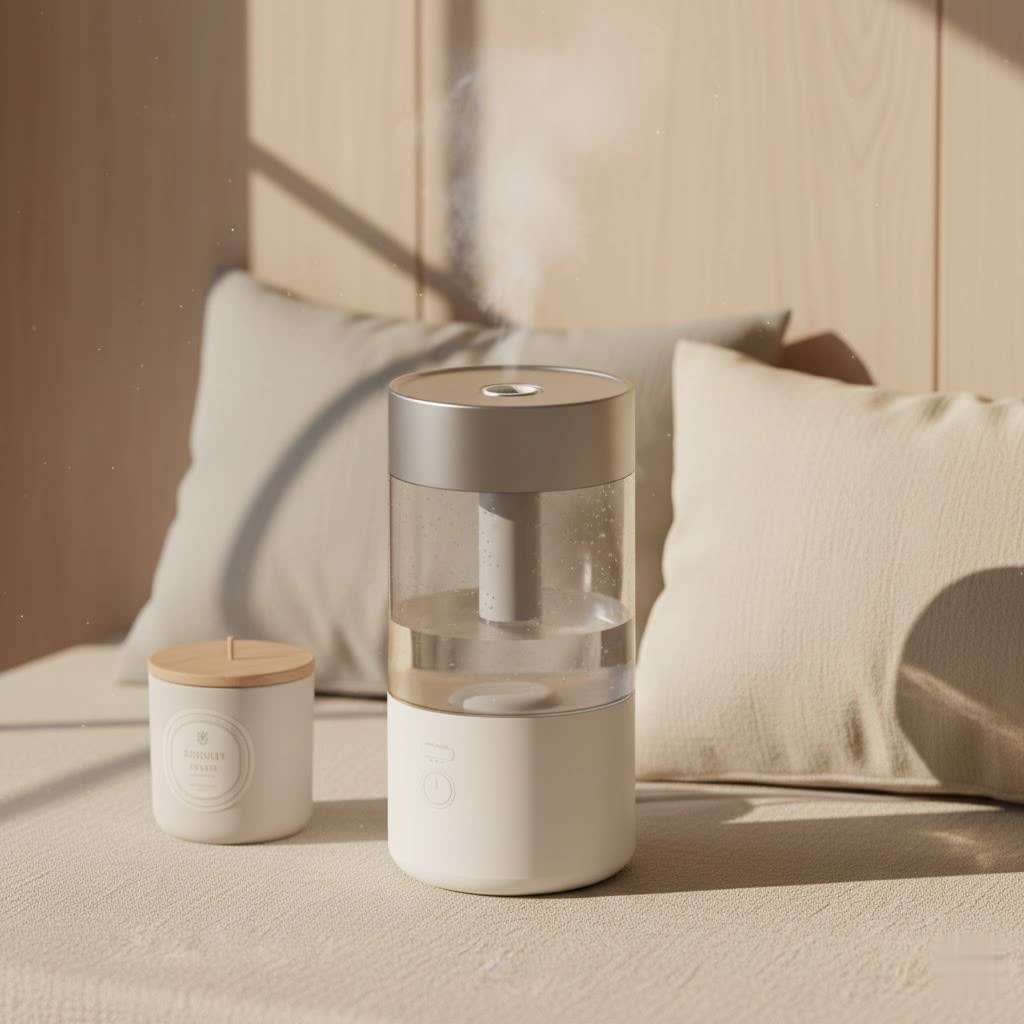
A cool mist humidifier is an appliance designed to add moisture to the air by releasing a fine, cool vapor into your living space. Unlike warm mist humidifiers that boil water to create steam, cool mist devices operate without heat, making them a safer option, particularly in homes with children or pets. They function by increasing the relative humidity, which is the amount of water vapor present in the air.
The benefits of maintaining optimal indoor humidity levels are numerous. A cool mist humidifier can significantly alleviate symptoms associated with dry air, such as dry skin, irritated nasal passages, and scratchy throats. It can also help to soothe coughs and congestion from colds or allergies, making breathing easier. Beyond health, humidifiers reduce static electricity, protect wood furniture and plants from drying out, and generally create a more pleasant atmosphere in your home or office. Anyone experiencing symptoms of dry air, or those living in arid climates, can greatly benefit from using a cool mist humidifier.
Popular Types of Cool Mist Humidifiers on the Market
While all cool mist humidifiers share the common goal of adding moisture to the air, they achieve this through different technologies. Understanding these types will help you choose the best device for your specific needs.
Ultrasonic Humidifiers
Ultrasonic humidifiers are perhaps the most popular type of cool mist humidifier due to their quiet operation. They use a high-frequency vibrating diaphragm to turn water into a fine mist, which is then dispersed into the room. This process doesn’t involve a fan, leading to a near-silent performance.
- Pros: Very quiet operation, visible cool mist, often compact and stylish designs.
- Cons: Can produce “white dust” if using hard tap water, which is mineral residue that settles on surfaces. Requires regular cleaning to prevent mold and bacteria buildup.
|
Our Picks for the Best Cool Humidifier in 2026
As an Amazon Associate I earn from qualifying purchases.
|
||
| Num | Product | Action |
|---|---|---|
| 1 | LEVOIT Top Fill Humidifiers for Bedroom, 2.5L Tank for Large Room, Easy to Fill & Clean, 26dB Quiet Cool Mist Air Humidifier for Home Baby Nursery & Plants, Auto Shut-off and BPA-Free for Safety, 25H |

|
| 2 | Clarston 2L Cool Mist Humidifier for Bedroom with 360° Adjustable Nozzle, High and Low Mist Levels, Ultra-Low Noise, Light-Off, No BPA, Auto Shut Off, Ideal Baby Humidifier with Easy Top Filling |
|
| 3 | Homvana Humidifiers for Bedroom Home, 3.6 L Cool Mist Top-Fill 34H Super Long Time, Quiet 23dB, Baby Humidifier, Oil Diffuser for Large Room, House, Plant, Nursery, Office, BPA FREE, Ultrasonic (Grey) |
|
| 4 | Humidifiers for Bedroom - GloryAir 2.38Gal/9L Top Fill Warm & Cool Mist Humidifier for Large Room 750ft² with Auto Mode 7-Color Light, Humidistat, Quiet Humidifier for Plants Baby Adults Home & Office |
|
| 5 | Humidifiers for Bedroom Large Room, 2.5L Cool Mist Humidifier with Essential Oil Diffuser, Top Fill Humidifier for Baby, Home, Plant, Ultrasonic Humidification for whole house, Auto Shut-Off |
|
| 6 | Humidifiers for Bedroom, 2.0L Cool Mist Humidifier for Home Plant and Baby Nursery, Quiet Ultrasonic Humidifier with 360° Nozzle, Auto Shut-Off, Filterless, Black |
|
| 7 | Dreo Smart Humidifiers for Bedroom, Top Fill 4L Supersized Humidifier Large Room with 28 dB, 36H Runtime, Touch/APP/Voice Control, Nightlight, Cool Mist Humidifiers for Baby, Plants, Indoor, Black |
|
| 8 | MEGAWISE 3.5L Cool Mist Humidifier – Ultra-Quiet Ultrasonic Vaporizer with Top-Fill Design, Essential Oil Diffuser, 7-Color Night Light & Auto Shut-Off |
|
| 9 | AquaOasis® Cool Mist Humidifier (2.2L Water Tank) Quiet Ultrasonic Humidifiers for Bedroom & Large room - Adjustable -360 Rotation Nozzle, Auto-Shut Off, Humidifiers for Babies Nursery & Whole House |
|
| 10 | Dreo Humidifiers for Bedroom, 4L Top Fill for Large Room, 36H Runtime, 28 dB Quiet Supersized Cool Mist Air Humidifier for Baby Nursery, Plants, Indoor, Night Light, Easy to Clean & Fill, White |
|
Evaporative Humidifiers
Evaporative humidifiers are another common type, relying on a natural process of evaporation to add moisture to the air. These devices contain a wick filter that absorbs water from a reservoir. A fan then draws dry air into the unit, blows it through the moistened wick, and releases invisible, humidified air into the room.
- Pros: Self-regulating (adds moisture until desired humidity is reached, then stops), no white dust, efficient.
- Cons: Can be louder due to the fan, requires regular replacement of wick filters, invisible mist may make it seem less effective visually.
While some might mention steam humidifiers, it’s important to clarify that steam humidifiers produce warm or hot mist, not cool mist. For those specifically seeking cool air humidification, ultrasonic and evaporative models are the primary options.
Top Cool Humidifiers Praised by Users
Choosing the best cool air humidifier often comes down to balancing performance, features, and budget. Here are a few examples of highly-rated cool mist humidifiers, focusing on their key characteristics:
- Levoit Core 300S Ultrasonic Humidifier: This model is frequently praised for its sleek design and whisper-quiet operation, making it ideal for bedrooms. It offers a top-fill design for easy refills and cleaning, an essential oil tray for aromatherapy, and smart controls via an app. Users appreciate its efficient humidification for medium-sized rooms and its auto mode that maintains desired humidity levels.
- Honeywell HUL520B Cool Mist Humidifier: A compact and straightforward option, the Honeywell HUL520B is a popular choice for personal use or small rooms. It’s known for its simplicity, ease of cleaning, and reliable performance. While it lacks advanced features, its affordability and effectiveness make it a solid choice for those seeking basic humidification.
- Dyson Purifier Humidify+Cool Formaldehyde: For those looking for a premium, multi-functional device, Dyson offers a high-tech solution. This unit not only humidifies with cool mist but also purifies the air and provides cooling circulation. It utilizes advanced filtration and UV-C light to kill bacteria in the water. While expensive, its comprehensive features and design are highly regarded.
- Vicks VUL520 Cool Mist Humidifier: Often recommended for nurseries and children’s rooms, the Vicks VUL520 is a small, easy-to-use ultrasonic humidifier. It’s compatible with Vicks VapoPads for soothing menthol vapors, making it popular during cold and flu season. Its compact size and quiet operation are major draws.
When evaluating these or any other models, consider the area you need to humidify, the desired noise level, and how much maintenance you are willing to perform.
Comparison Table of Leading Cool Humidifier Models
To help you visualize the differences, here’s a quick comparison of some top cool mist humidifier examples:
| Feature | Levoit Core 300S (Ultrasonic) | Honeywell HUL520B (Ultrasonic) | Dyson Purifier Humidify+Cool Formaldehyde | Vicks VUL520 (Ultrasonic) |
|---|---|---|---|---|
| Price Range | Mid-range | Entry-level | Premium | Entry-level |
| Tank Capacity | 2.5L | 1.8L | 5L | 1.8L |
| Room Size | Medium (up to 215 sq ft) | Small (up to 250 sq ft) | Large (up to 400 sq ft) | Small (up to 250 sq ft) |
| Noise Level | Whisper-quiet (<28dB) | Quiet | Moderate (variable) | Quiet |
| Key Features | Top-fill, Smart App, Aroma Tray | Simple design, Compact | Purifier, Cooler, UV-C, Smart | VapoPad slot, Compact |
| Ease of Clean | Good | Very Good | Good (requires specific steps) | Good |
| Overall Rating | Excellent | Good | Outstanding (multi-function) | Good (especially for kids) |
Note: Prices and specific features can vary based on retailer and model year.
A Comprehensive Guide to Choosing the Right Cool Humidifier
Selecting the perfect cool air humidifier requires careful consideration of several factors to ensure it meets your specific needs and lifestyle.
Factors to Consider When Buying a Cool Humidifier
- Room Size: Humidifiers are rated for specific coverage areas. A small personal humidifier won’t be effective in a large living room. Always match the humidifier’s capacity to the square footage of the room where it will be used.
- Tank Capacity and Run Time: A larger tank means longer operation between refills. If you want continuous overnight use, opt for a model with at least a one-gallon tank.
- Noise Level: Especially important for bedroom use. Ultrasonic models are generally quieter than evaporative ones with fans. Check decibel ratings if available.
- Ease of Cleaning: This is paramount. Humidifiers are breeding grounds for mold and bacteria if not cleaned regularly. Look for models with wide tank openings, easily accessible parts, and minimal nooks and crannies.
- Special Features:
- Hygrometer and Auto Mode: Measures current humidity and adjusts output to maintain a set level.
- Auto Shut-off: Turns off when water level is low or desired humidity is reached.
- Essential Oil Tray: For aromatherapy benefits.
- Filters: Evaporative humidifiers require wick filters; some ultrasonic models may have pre-filters. Consider filter cost and availability.
- Smart Features: App control, voice assistant compatibility for convenience.
- Price: Cool humidifiers range from budget-friendly options to high-end multi-functional devices. Set a budget, but remember that investing in quality often pays off in durability and performance.
Tips for Choosing a Cool Humidifier for Specific Needs
- For Children/Babies: Safety is key. Cool mist is always recommended over warm mist to avoid burn risks. Choose quiet models for nurseries and ensure they are easy to clean to prevent germ buildup.
- For Elderly Individuals: Look for simple controls, easy refilling, and reliable auto-shutoff features. Easy maintenance is also a plus.
- For Allergy Sufferers: An evaporative humidifier might be preferred as it doesn’t produce white dust, which can irritate some respiratory systems. Regular cleaning and using distilled water are critical for any type.
Reputable Cool Humidifier Brands to Consider
Brands like Levoit, Honeywell, Vicks, Crane, Pure Enrichment, and Dyson are consistently rated highly for their innovation, reliability, and range of products. Researching their specific models within your budget is a good starting point.
How to Properly Use and Maintain Your Cool Humidifier
Proper usage and regular maintenance are critical for both the effectiveness and safety of your cool air humidifier. Neglecting these aspects can lead to health issues and decreased lifespan of the device.
Safe and Effective Use of Your Cool Humidifier
- Use Distilled Water: Especially for ultrasonic humidifiers, using distilled or demineralized water can significantly reduce white dust and mineral buildup, prolonging the life of your unit and keeping your air cleaner.
- Positioning: Place the humidifier on a flat, waterproof surface, away from electronics, fabrics, and direct sunlight. Ensure there’s enough space around it for mist dispersion.
- Monitor Humidity Levels: Aim for indoor humidity between 30% and 50%. Too much humidity can lead to condensation, mold growth, and dust mites. Many humidifiers come with a built-in hygrometer, or you can purchase one separately.
- Don’t Over-humidify: Keep an eye out for signs like condensation on windows, damp surfaces, or a musty smell, which indicate that the humidity level is too high.
- Refill Daily: Even if the tank isn’t empty, it’s best to empty any remaining water and refill with fresh water daily to prevent stagnation and bacterial growth.
Regular Cleaning to Prevent Mold and Bacteria
This is the most crucial aspect of humidifier ownership. Water sitting in the tank can quickly become a breeding ground for bacteria and mold, which are then released into the air you breathe.
- Daily Rinse: Rinse the water tank and basin daily with fresh water.
- Weekly Deep Clean:
- Unplug the unit and disassemble all removable parts.
- Clean the tank and basin with a 1:1 mixture of white vinegar and water. Let it sit for 20-30 minutes to break down mineral deposits.
- Use a brush or sponge to scrub away any residue. For hard-to-reach areas, cotton swabs or small brushes can be helpful.
- Rinse all components thoroughly with clean water until the vinegar smell is gone.
- Dry all parts completely before reassembling or refilling.
- Filter Replacement (for Evaporative Models): Replace wick filters according to the manufacturer’s recommendations, typically every 1-3 months, or when they appear discolored or hardened.
Common Humidifier Issues and Troubleshooting
- White Dust: (Ultrasonic humidifiers) Use distilled water or consider a demineralization cartridge if available for your model.
- No Mist/Low Output: Check water levels, ensure the unit is plugged in, clean the transducer (ultrasonic) or replace the wick filter (evaporative), and ensure no blockages.
- Unpleasant Odor: This almost always indicates mold or bacteria. A thorough cleaning is required immediately.
- Leaking: Check for cracks in the tank, ensure seals are properly seated, and that the unit is on a level surface.
> “The single most important tip for any humidifier owner is to clean it regularly. Without consistent cleaning, you’re not just adding moisture to the air, you’re potentially adding harmful pollutants.” – Dr. Emily R. Chen, Environmental Health Specialist
Conclusion
A cool air humidifier is far more than just a gadget; it’s a vital tool for creating a healthier, more comfortable indoor environment. From soothing dry skin and alleviating respiratory discomforts to protecting your home’s interior, its benefits are extensive. By understanding the different types, carefully considering your needs, and committing to diligent maintenance, you can select the perfect cool mist humidifier and enjoy its many advantages. Make an informed choice, breathe easier, and transform your living space into an oasis of optimal humidity. Which cool air humidifier will you choose to enhance your home’s air quality today?
Frequently Asked Questions
Is a cool mist humidifier better than a warm mist humidifier?
For most general purposes, especially in homes with children or pets, cool mist humidifiers are often preferred due to safety (no hot water risks). Both types effectively add moisture, but cool mist uses less energy and can be more beneficial for reducing swelling of nasal passages.
How often should I clean my cool mist humidifier?
You should rinse the water tank and basin daily with fresh water. A thorough deep cleaning with vinegar and water should be performed at least once a week to prevent the buildup of mold, bacteria, and mineral deposits.
Can I put essential oils directly into my cool mist humidifier?
Unless your humidifier specifically features an essential oil tray or diffuser function, you should never put essential oils directly into the water tank. This can damage the unit’s components and void the warranty. Always check the manufacturer’s instructions.
Do cool mist humidifiers help with allergies or asthma?
Yes, by maintaining optimal humidity levels (30-50%), cool mist humidifiers can help soothe irritated airways and reduce symptoms like dry coughs and congestion, which can be beneficial for allergy and asthma sufferers. However, over-humidification can worsen symptoms by promoting dust mites and mold.
What is “white dust” and how can I prevent it?
White dust is a fine mineral residue dispersed into the air by ultrasonic humidifiers when using hard tap water. To prevent it, use distilled or demineralized water. Some models also offer demineralization cartridges or filters that can reduce white dust output.
