Are you tired of waking up with a dry throat, itchy skin, or static shocks throughout your home? If so, the solution might be simpler than you think: a cool air humidifier. These devices are more than just a convenience; they are essential tools for maintaining a healthy and comfortable indoor environment, especially during dry seasons or in arid climates. From soothing respiratory issues to protecting your cherished wooden furniture, a well-chosen cool mist humidifier can significantly enhance your quality of life.
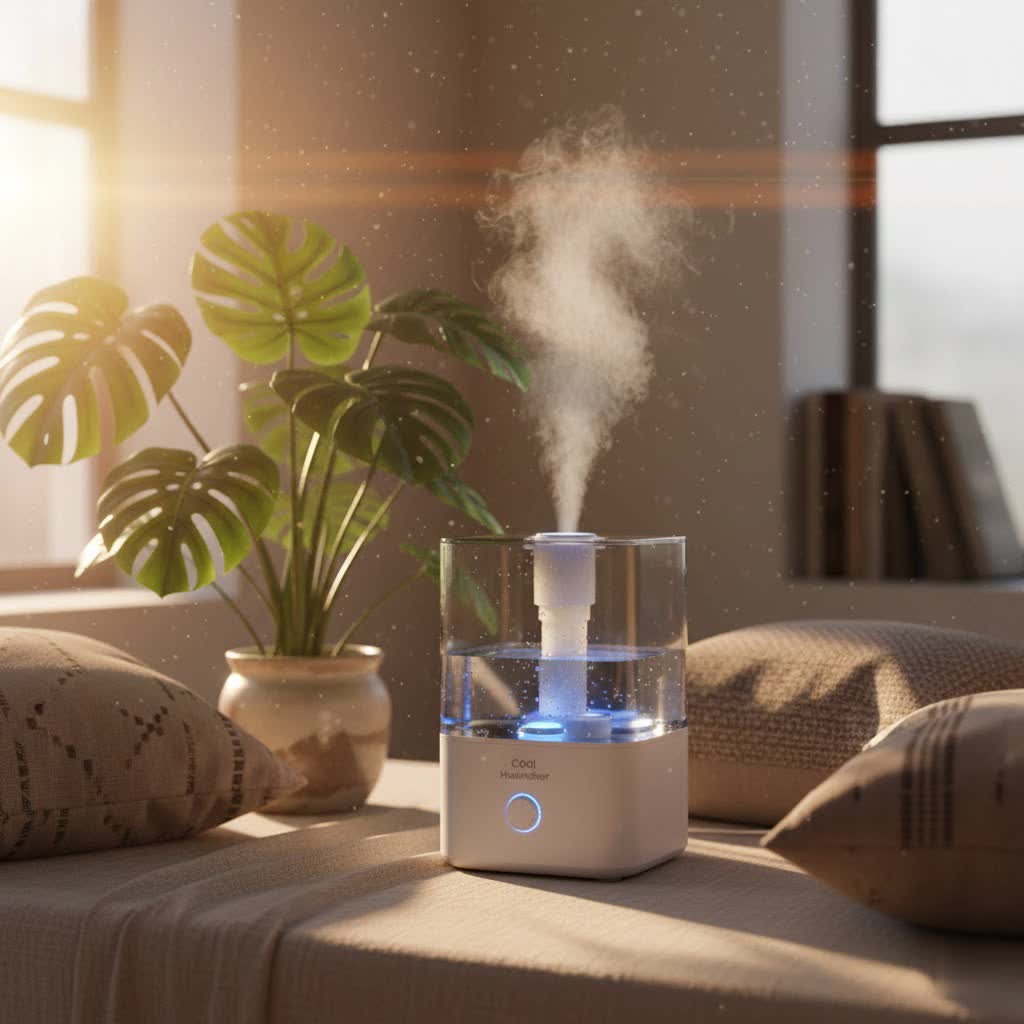
What is a Cool Humidifier and Why Do You Need It?
A cool mist humidifier disperses fine, refreshing moisture into the air without using heat, unlike its warm mist counterparts. This process helps maintain optimal indoor humidity levels, typically between 30-50%, which is crucial for overall health and home integrity.
The benefits of integrating a cool air humidifier into your living space are extensive:
- Improved Respiratory Health: By adding moisture to the air, cool mist humidifiers can alleviate symptoms of asthma, allergies, and common colds, making breathing easier and soothing irritated nasal passages and throats.
- Prevents Dry Skin and Eyes: Consistent humidity helps keep your skin hydrated, reducing dryness, itching, and irritation, particularly beneficial during harsh winter months. It also prevents dry eyes, enhancing overall comfort.
- Protects Your Home and Furnishings: Dry air can damage wooden furniture, flooring, and even musical instruments, leading to cracks and warping. A humidifier helps maintain a balanced moisture environment, preserving your home’s furnishings.
- Reduces Static Electricity: Low humidity often leads to annoying static shocks. Humidifiers minimize static buildup, creating a more comfortable and safer environment, especially for electronics.
- Enhances Comfort and Energy Efficiency: Moist air can feel warmer, allowing you to potentially lower your thermostat settings and save on energy bills while maintaining a cozy atmosphere.
- Safer for Households: Since cool mist humidifiers do not use heating elements, they eliminate the risk of burns, making them a safer choice for homes with children and pets.
|
Our Picks for the Best Cool Humidifier in 2026
As an Amazon Associate I earn from qualifying purchases.
|
||
| Num | Product | Action |
|---|---|---|
| 1 | Humidifiers for Bedroom - GloryAir 2.38Gal/9L Top Fill Warm & Cool Mist Humidifier for Large Room 750ft² with Auto Mode 7-Color Light, Humidistat, Quiet Humidifier for Plants Baby Adults Home & Office |

|
| 2 | Clarston 2L Cool Mist Humidifier for Bedroom with 360° Adjustable Nozzle, High and Low Mist Levels, Ultra-Low Noise, Light-Off, No BPA, Auto Shut Off, Ideal Baby Humidifier with Easy Top Filling |
|
| 3 | MEGAWISE 3.5L Cool Mist Humidifier – Ultra-Quiet Ultrasonic Vaporizer with Top-Fill Design, Essential Oil Diffuser, 7-Color Night Light & Auto Shut-Off |
|
| 4 | Homvana Humidifiers for Bedroom Home, 3.6 L Cool Mist Top-Fill 34H Super Long Time, Quiet 23dB, Baby Humidifier, Oil Diffuser for Large Room, House, Plant, Nursery, Office, BPA FREE, Ultrasonic (Grey) |
|
| 5 | LEVOIT Top Fill Humidifiers for Bedroom, 2.5L Tank for Large Room, Easy to Fill & Clean, 26dB Quiet Cool Mist Air Humidifier for Home Baby Nursery & Plants, Auto Shut-off and BPA-Free for Safety, 25H |
|
| 6 | Dreo Smart Humidifiers for Bedroom, Top Fill 4L Supersized Humidifier Large Room with 28 dB, 36H Runtime, Touch/APP/Voice Control, Nightlight, Cool Mist Humidifiers for Baby, Plants, Indoor, Black |
|
| 7 | AquaOasis® Cool Mist Humidifier (2.2L Water Tank) Quiet Ultrasonic Humidifiers for Bedroom & Large room - Adjustable -360 Rotation Nozzle, Auto-Shut Off, Humidifiers for Babies Nursery & Whole House |
|
| 8 | Humidifiers for Bedroom, 2.0L Cool Mist Humidifier for Home Plant and Baby Nursery, Quiet Ultrasonic Humidifier with 360° Nozzle, Auto Shut-Off, Filterless, Black |
|
| 9 | Humidifiers for Bedroom Large Room, 2.5L Cool Mist Humidifier with Essential Oil Diffuser, Top Fill Humidifier for Baby, Home, Plant, Ultrasonic Humidification for whole house, Auto Shut-Off |
|
| 10 | Dreo Humidifiers for Bedroom, 4L Top Fill for Large Room, 36H Runtime, 28 dB Quiet Supersized Cool Mist Air Humidifier for Baby Nursery, Plants, Indoor, Night Light, Easy to Clean & Fill, White |
|
A cool mist humidifier is beneficial for anyone experiencing dry air symptoms, living in a dry climate, or seeking to protect their home and improve general well-being.
Types of Cool Humidifiers Available
When exploring cool air humidifiers, you’ll primarily encounter two main types: ultrasonic and evaporative. Understanding their differences is key to selecting the best model for your needs.
Ultrasonic Cool Mist Humidifiers
Ultrasonic humidifiers use high-frequency vibrations from a ceramic diaphragm to produce a superfine, cool mist that is then quietly dispersed into the room.
- Pros: They are renowned for their whisper-quiet operation, making them ideal for bedrooms and nurseries. They are also energy-efficient and often come in compact designs.
- Cons: If using hard tap water, ultrasonic humidifiers can produce a “white dust” (mineral residue) that settles on surfaces. This can be mitigated by using distilled or demineralized water, or models with demineralization cartridges.
Evaporative Cool Mist Humidifiers
Evaporative humidifiers work by drawing air through a wet wick or filter using a fan. As air passes through the moistened filter, water naturally evaporates into the air, adding humidity.
- Pros: These models are self-regulating, meaning the evaporation rate decreases as humidity levels rise, naturally preventing over-humidification. They do not produce white dust and are often effective for larger spaces.
- Cons: Evaporative humidifiers tend to be noisier than ultrasonic models due to their internal fan. They also require regular filter replacement, which is an ongoing cost and maintenance task.
While warm mist humidifiers exist (boiling water to release steam), cool mist options are generally preferred for safety reasons and year-round use, particularly in warmer climates.
Top Cool Humidifiers Praised by Experts
With a multitude of options available, selecting a highly-rated cool air humidifier can be daunting. Here are some of the top models frequently recommended by experts for their performance, features, and reliability in 2026:
- Levoit OasisMist 450S Smart Humidifier: Praised for its effectiveness and generous humidity output, this smart humidifier often includes both cool and warm mist options. It’s noted for its user-friendliness, easy setup, essential oil diffusion, and quiet operation across settings. Its smart features like app and voice control, built-in humidistat, and auto mode for maintaining ideal humidity levels make it a top contender for tech-savvy users.
- Crane Drop 1 Gal. Cool-Mist Humidifier: Often highlighted as a best overall pick, the Crane Drop balances performance, ease of use, and coverage at an affordable price. Its intuitive dial control and 1-gallon tank provide up to 24 hours of mist, suitable for medium to large rooms (up to 500 sq ft). While simple, it’s recognized for its quiet operation and effectiveness.
- Honeywell HUL520B Mistamate Cool Mist Humidifier: This compact and whisper-quiet ultrasonic model is frequently recommended for bedrooms. It offers variable mist control and is lauded for its user-friendliness and easy cleaning due to a wide tank opening. Its quiet operation ensures an undisturbed night’s sleep.
- Vornado Lucerna (Filterless Humidifier): For those seeking low-maintenance, the Vornado Lucerna stands out as a filterless option. It uses vortex circulation for consistent coverage in small to medium rooms (up to 600 sq ft). Its design eliminates the need for filter replacements, though the tank’s narrow opening can make deep cleaning a bit challenging.
- Pure Enrichment MistAire Ultrasonic Cool Mist Humidifier: A best-selling ultrasonic humidifier, the MistAire is known for its simplicity and reliable performance in small to medium rooms. It runs for up to 25 hours on a full tank, making it suitable for overnight use. Its quiet operation and auto shut-off feature enhance safety and comfort.
- Dreo HM311S Smart Humidifier: This Wi-Fi-enabled humidifier is lauded for its smart features, offering app and voice control for automated humidity management. Its top-fill design simplifies refilling and cleaning, and it operates quietly, making it suitable for bedrooms and larger rooms up to 300 sq ft.
Each of these models offers unique advantages, catering to different needs from basic, quiet humidification to advanced smart home integration.
Comparing Leading Cool Humidifier Models
Choosing the right cool humidifier involves weighing various factors. Here’s a comparative overview of some top models to help you make an informed decision:
| Model | Price Range | Capacity (L) | Room Coverage (sq ft) | Noise Level (dB) | Key Features | Ease of Cleaning | Pros | Cons |
|---|---|---|---|---|---|---|---|---|
| Levoit OasisMist 450S Smart | Mid-High | 4.5 | Up to 430 | Quiet | Smart control (app/voice), auto mode, essential oil, warm/cool mist, humidistat | Easy | Versatile (dual mist), smart features, quiet, effective, essential oil diffuser | Higher price point |
| Crane Drop 1 Gal. | Budget-Mid | 3.78 | Up to 500 | Quiet (<35) | Simple dial control, auto shut-off, 24 hr runtime | Moderate | Affordable, very user-friendly, quiet, good coverage for price | No smart features, basic design, some hard-to-reach cleaning spots, no included filter |
| Honeywell HUL520B Mistamate | Budget | 1.89 | ~250 | Very Quiet | Variable mist control, auto shut-off | Easy | Excellent for bedrooms, quiet, easy to clean (wide opening), budget-friendly | Smaller capacity (frequent refills), no essential oil tray, limited coverage for larger rooms |
| Vornado Lucerna | Mid | 3 | Up to 600 | Moderate (<34) | Filterless, vortex circulation, touch controls, 5-year warranty | Moderate | Filterless (no recurring costs), strong circulation, good for large rooms, long warranty | Higher initial price, tank doesn’t lock into base, narrow tank opening can make deep cleaning tricky |
| Pure Enrichment MistAire | Budget | 1.5 | Small-Medium | Quiet (<33) | 25 hr runtime, auto shut-off | Moderate | Affordable, reliable, quiet, compact, suitable for hot sleepers | Not ideal for larger rooms, some hard-to-clean areas in base |
| Dreo HM311S Smart | Mid | 4 | Up to 300 | Quiet (<28) | Smart control (app), top-fill, humidistat, 36 hr runtime, night light | Easy | Smart features, very quiet, top-fill for easy cleaning/refilling, good coverage for its size | App setup can be tricky for non-tech users, optional demineralization cartridges add cost (if not using distilled water) |
This table provides a quick reference for key specifications and considerations when comparing popular cool mist humidifiers.
Your Ultimate Guide to Choosing the Right Cool Humidifier (Buying Guide)
Selecting the ideal cool air humidifier for your home requires careful consideration of various factors beyond just the price tag. Here’s a comprehensive guide to help you make the best decision:
Key Factors to Consider
- Room Size and Coverage:
- Output Rate (ml/hr): This indicates how much moisture the humidifier can release.
- < 200 ml/hr: Best for small rooms, desks, or personal spaces (e.g., bedrooms under 20 m²).
- 200–400 ml/hr: Ideal for small to medium bedrooms, kids’ rooms, or home offices (e.g., 20-40 m²).
-
400 ml/hr: Necessary for large living rooms, open-plan spaces, or homes with very dry central heating (e.g., >40 m²).
- Ensure the humidifier’s stated coverage matches the square footage of your room. An undersized unit will struggle to effectively humidify a large space.
- Output Rate (ml/hr): This indicates how much moisture the humidifier can release.
- Tank Capacity and Runtime:
- A larger tank means longer operation between refills.
- <1L: Requires daily refills, best for short, occasional use.
- 1–2L: Suitable for 8–10 hours of continuous use, perfect for overnight.
-
2L: Great for large rooms or all-day operation, requiring fewer refills.
- Noise Level (dB):
- For bedrooms, nurseries, or quiet offices, prioritize models with a noise level below 30 dB (comparable to a whisper). Ultrasonic models are generally the quietest.
- 30-50 dB is acceptable for living rooms or shared spaces with ambient noise.
- Ease of Cleaning and Maintenance:
- Humidifiers need regular cleaning to prevent mold, bacteria, and mineral buildup. Look for:
- Top-fill designs: These make refilling and cleaning much easier.
- Wide tank openings: Allows for easy access to scrub the interior.
- Filterless models: Reduces recurring costs and the hassle of filter replacement, but may require distilled water to prevent white dust.
- Antimicrobial coatings or UV treatment: Helps inhibit bacterial growth within the unit.
- Humidifiers need regular cleaning to prevent mold, bacteria, and mineral buildup. Look for:
- Additional Features:
- Humidistat Control: Automatically adjusts mist output to maintain a preset humidity level (ideally 40-60%), preventing over-humidification.
- Auto Shut-Off: A crucial safety feature that turns the unit off when the water runs out, preventing motor damage or overheating.
- Mist Intensity Levels: Multiple settings offer flexibility for different needs and room conditions.
- Mist Direction Control: Adjustable nozzles or oscillating diffusers help distribute moisture evenly.
- Smart Features: Wi-Fi or Bluetooth connectivity for app control, remote scheduling, timers, and integration with voice assistants like Alexa or Google Assistant.
- Essential Oil Diffuser: Some models include a separate tray for adding essential oils for aromatherapy.
- Safety Features:
- Beyond auto shut-off, consider tip-over protection and BPA-free materials, especially for units used around children or pets.
- Filter Requirements:
- Understand if a model requires filters and their replacement frequency, as this adds to ongoing costs. Filtered evaporative models can be great for trapping minerals, while filterless ultrasonics require careful water choice.
- Warranty:
- A longer warranty (3+ years) often indicates higher product quality and better manufacturer support. Standard warranties are typically 1-2 years.
Tips for Specific Users
- For Children or Pets: Opt for cool mist (no burn risk), low noise (<30 dB), auto shut-off, and tip-over protection. Easy-to-clean models with antimicrobial features are also key for hygiene.
- For Allergy Sufferers: Evaporative humidifiers are often recommended as they don’t produce white dust. Also look for UV or antimicrobial features to prevent mold and bacteria. Using distilled water is highly advisable for all types.
- For Tech-Lovers: Seek out models with smart features like app control, Wi-Fi connectivity, and integration with smart home ecosystems for automated convenience.
- For Low-Maintenance Users: Choose top-fill, filterless (with distilled water), or models with easily washable components and auto-cleaning reminders.
Reputable brands like Levoit, Honeywell, and Dyson (known for their premium, hybrid air treatment systems) offer a wide range of options, often combining innovative features with reliable performance.
Using and Maintaining Your Cool Humidifier for Longevity
To ensure your cool air humidifier operates efficiently, safely, and for its full lifespan, proper usage and diligent maintenance are essential. Neglecting these steps can lead to mineral buildup, mold, bacteria growth, and potentially poor air quality.
How to Use Your Cool Humidifier Safely and Effectively
- Proper Placement:
- Place your humidifier on a firm, flat, and water-resistant surface at least two feet off the floor. This allows for optimal mist dispersion and prevents moisture damage to carpets or wooden surfaces.
- Keep it away from electronics, curtains, and walls to avoid condensation and potential damage.
- Avoid placing it directly under vents or near drafts, as this can affect its humidification accuracy.
- Use Distilled or Demineralized Water:
- Tap water contains minerals that can cause “white dust” in ultrasonic humidifiers and mineral buildup (scale) in all types. Using distilled or demineralized water significantly reduces these issues, promoting cleaner mist and extending the unit’s life.
- Maintain Optimal Humidity Levels:
- Aim for a relative humidity level between 30% and 50%. Too much humidity (above 60%) can foster mold and dust mite growth. Use a hygrometer (often built into smart humidifiers) to monitor levels.
- Do Not Add Essential Oils Directly to the Water Tank:
- Unless your humidifier has a dedicated essential oil tray or diffuser, do not add oils directly into the water tank, as this can damage the unit and void its warranty.
Regular Cleaning and Maintenance
Regular cleaning is the most critical aspect of owning a humidifier. Follow these general guidelines, always referring to your specific manufacturer’s instructions:
- Daily Rinse and Refill:
- Empty any remaining water from the tank daily.
- Rinse the water tank and base thoroughly with clean water.
- Wipe down the inside and allow it to air dry before refilling with fresh, distilled water. This prevents stagnant water from becoming a breeding ground for bacteria.
- Weekly Descaling (Mineral Removal):
- Unplug the unit and disassemble removable parts.
- Fill the water tank and base with a solution of one part white vinegar to one part water (or undiluted white vinegar for stubborn buildup).
- Let it soak for at least 20-30 minutes, or longer for heavy scale.
- Use a soft brush or sponge to scrub any mineral deposits from all surfaces, including the nebulizer in ultrasonic models.
- Rinse all parts thoroughly until the vinegar smell is gone.
- Weekly Disinfecting:
- After descaling, fill the water tank with a solution of one teaspoon of bleach per gallon of water.
- Swirl the solution around and let it sit for 20 minutes.
- Empty the bleach solution and rinse all parts repeatedly with clean water until the smell of bleach is completely gone.
- Wipe down the exterior of the humidifier with a damp rag.
- Filter Replacement (if applicable):
- If your humidifier uses a filter or wick, replace it every 30-60 days or as recommended by the manufacturer. Never attempt to clean filters with chemicals or soap, as this can damage them and release harmful substances into the air. If a filter shows signs of mold, replace it immediately.
- Seasonal Storage:
- Before storing your humidifier for an extended period, perform a thorough descaling and disinfecting. Ensure all parts are completely dry to prevent mold or mildew growth. Store with the tank cap off in a dry area. Clean it again before putting it back into use.
> “The secret to a healthy humidifier isn’t just buying the right one; it’s the consistent care you give it. Think of it as a small investment of your time that pays dividends in cleaner air and better health.” – Admin of reviewdaiso.com, Humidifier Specialist with 10+ Years Experience.
Conclusion
A cool air humidifier is an indispensable appliance for anyone seeking to improve indoor air quality, alleviate dry air discomfort, and protect their home. By understanding the different types, recognizing top-performing models, and following a practical buying guide, you can confidently choose a device that perfectly suits your lifestyle. Remember, consistent cleaning and proper maintenance are key to harnessing the full benefits of your humidifier, ensuring it delivers refreshing, clean mist year after year.
Ready to transform your home into a haven of comfort and healthy air? Consider which cool air humidifier will best meet your needs and embrace the difference balanced humidity can make.
Frequently Asked Questions
Does a cool mist humidifier make the room cold?
No, a cool mist humidifier does not significantly lower room temperature. While it disperses a fine, cool mist, the effect on ambient temperature is negligible; it primarily adds moisture to the air for comfort and health benefits.
Is a cool mist humidifier good for pneumonia or congestion?
A cool mist humidifier can help alleviate symptoms of pneumonia or congestion by moistening irritated airways and easing breathing. However, it should complement, not replace, medical treatment, so always consult a healthcare professional.
Can I use essential oils in my cool mist humidifier?
Only use essential oils if your humidifier has a dedicated essential oil tray or diffuser. Adding essential oils directly to the water tank can damage the unit and may void the warranty.
How often should I clean my cool mist humidifier?
For optimal performance and hygiene, you should rinse and refill your humidifier’s water tank daily. A more thorough descaling and disinfecting process using vinegar and bleach solution should be performed at least once a week.
What type of water should I use in my cool mist humidifier?
It is highly recommended to use distilled or demineralized water. This prevents the buildup of mineral deposits (scale) and reduces the occurrence of “white dust” that can be dispersed into the air, especially with ultrasonic models.
What is the ideal humidity level for a home?
The ideal indoor relative humidity level is generally between 30% and 50%. Maintaining this range helps prevent dry air symptoms while also inhibiting the growth of mold and dust mites.
What is the difference between an air purifier and a humidifier?
An air purifier cleans the air by removing contaminants like dust, pollen, and allergens, while a humidifier adds moisture to the air. They serve different purposes for indoor air quality and can often be used together for comprehensive air management.
