Battling dry indoor air can feel like an uphill struggle, leaving you with parched skin, irritated sinuses, and a lingering cough. While these discomforts are common, especially during colder months or in arid climates, there’s a simple, effective solution: a cool mist humidifier. These essential devices introduce much-needed moisture back into your environment, transforming your home into a sanctuary of comfort and promoting better health. But with so many options available, finding the “best rated cool mist humidifier” can be overwhelming. This comprehensive guide, informed by extensive research and practical experience, will help you navigate the choices, understand the technology, and select the perfect model to enhance your well-being.
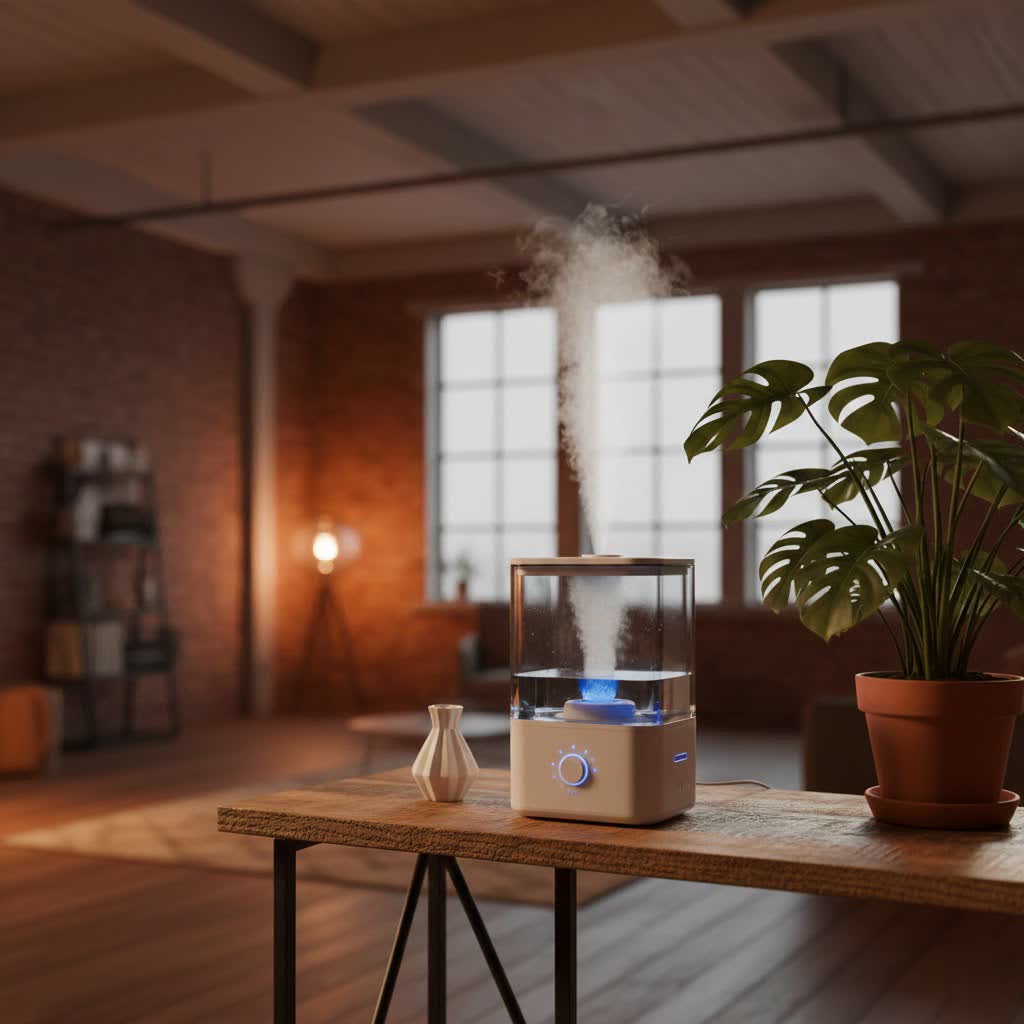
What is a Cool Mist Humidifier and Why Do You Need One?
A cool mist humidifier releases a fine, room-temperature vapor into the air, increasing the humidity level without raising the ambient temperature. This makes them a versatile choice for year-round use, particularly beneficial in bedrooms, nurseries, and any space where excessive heat is undesirable.
The benefits of maintaining optimal indoor humidity are extensive. For your health, a cool mist humidifier can significantly alleviate symptoms associated with dry air, such as dry skin, chapped lips, and irritated nasal passages. It can soothe sore throats, reduce congestion from colds and allergies, and even help manage coughs by keeping respiratory passages moist. For families with children or pets, cool mist models are particularly recommended as they pose no burn risk, unlike warm mist alternatives. Beyond personal comfort, adequate humidity also safeguards your home environment, preventing wood furniture and floors from cracking, wallpaper from peeling, and even reducing static electricity. Experts generally recommend maintaining indoor humidity levels between 30% and 40% for optimal health and home preservation.
Types of Cool Mist Humidifiers Explained
Not all cool mist humidifiers are created equal. They typically fall into three main categories, each employing a distinct method to release moisture into the air, offering unique advantages and disadvantages.
Ultrasonic Humidifiers
These popular models use high-frequency vibrations from a ceramic diaphragm to convert water into an extremely fine, cool mist.
- Pros: Ultrasonic humidifiers are notably quiet during operation, making them ideal for bedrooms and nurseries. They are also energy-efficient and often come in sleek, modern designs with advanced features like adjustable mist levels and smart controls. Many are filter-free, simplifying maintenance.
- Cons: A common drawback is the potential for “white dust,” a fine powder composed of minerals from tap water that can settle on surfaces. This dust can sometimes irritate respiratory systems and is best avoided by using distilled water. They may also be more expensive upfront than some basic evaporative models.
|
Our Picks for the Best Cool Humidifier in 2026
As an Amazon Associate I earn from qualifying purchases.
|
||
| Num | Product | Action |
|---|---|---|
| 1 | Clarston 2L Cool Mist Humidifier for Bedroom with 360° Adjustable Nozzle, High and Low Mist Levels, Ultra-Low Noise, Light-Off, No BPA, Auto Shut Off, Ideal Baby Humidifier with Easy Top Filling |

|
| 2 | AquaOasis® Cool Mist Humidifier (2.2L Water Tank) Quiet Ultrasonic Humidifiers for Bedroom & Large room - Adjustable -360 Rotation Nozzle, Auto-Shut Off, Humidifiers for Babies Nursery & Whole House |
|
| 3 | LEVOIT Top Fill Humidifiers for Bedroom, 2.5L Tank for Large Room, Easy to Fill & Clean, 26dB Quiet Cool Mist Air Humidifier for Home Baby Nursery & Plants, Auto Shut-off and BPA-Free for Safety, 25H |
|
| 4 | Humidifiers for Bedroom, 2.0L Cool Mist Humidifier for Home Plant and Baby Nursery, Quiet Ultrasonic Humidifier with 360° Nozzle, Auto Shut-Off, Filterless, Black |
|
| 5 | Humidifiers for Bedroom Large Room, 2.5L Cool Mist Humidifier with Essential Oil Diffuser, Top Fill Humidifier for Baby, Home, Plant, Ultrasonic Humidification for whole house, Auto Shut-Off |
|
| 6 | Dreo Smart Humidifiers for Bedroom, Top Fill 4L Supersized Humidifier Large Room with 28 dB, 36H Runtime, Touch/APP/Voice Control, Nightlight, Cool Mist Humidifiers for Baby, Plants, Indoor, Black |
|
| 7 | Humidifiers for Bedroom - GloryAir 2.38Gal/9L Top Fill Warm & Cool Mist Humidifier for Large Room 750ft² with Auto Mode 7-Color Light, Humidistat, Quiet Humidifier for Plants Baby Adults Home & Office |
|
| 8 | Homvana Humidifiers for Bedroom Home, 3.6 L Cool Mist Top-Fill 34H Super Long Time, Quiet 23dB, Baby Humidifier, Oil Diffuser for Large Room, House, Plant, Nursery, Office, BPA FREE, Ultrasonic (Grey) |
|
| 9 | Dreo Humidifiers for Bedroom, 4L Top Fill for Large Room, 36H Runtime, 28 dB Quiet Supersized Cool Mist Air Humidifier for Baby Nursery, Plants, Indoor, Night Light, Easy to Clean & Fill, White |
|
| 10 | MEGAWISE 3.5L Cool Mist Humidifier – Ultra-Quiet Ultrasonic Vaporizer with Top-Fill Design, Essential Oil Diffuser, 7-Color Night Light & Auto Shut-Off |
|
Evaporative Humidifiers
Evaporative humidifiers utilize a fan to draw dry air through a wet wick or filter, naturally evaporating water into an invisible, cool mist.
- Pros: These humidifiers are self-regulating, meaning they naturally stop humidifying once the desired humidity level is reached, preventing oversaturation and potential mold growth. The filter also traps minerals and impurities, releasing only clean moisture into the air. They tend to be more energy-efficient than steam vaporizers.
- Cons: Evaporative models can be noisier due to the fan. They require regular filter replacement, which adds to ongoing costs and maintenance. If not cleaned properly, the wicks can become breeding grounds for mold and bacteria.
Impeller Humidifiers
Sometimes referred to as disc or fan humidifiers, impeller models use a high-speed rotating disc to fling water against a diffuser, which breaks it into tiny, cool droplets that disperse into the air.
- Pros: Impeller humidifiers are generally simple in design and less expensive than other types. They don’t typically use filters, which can reduce replacement costs.
- Cons: These units can be louder than ultrasonic models due to their mechanical operation. They also require frequent water changes and thorough cleaning to prevent bacteria buildup, as stagnant water can quickly become contaminated.
Top-Rated Cool Mist Humidifiers You Can Trust
Choosing the best cool mist humidifier often comes down to balancing performance, features, and ease of use. Based on widespread consumer and expert reviews, here are some of the top-rated models that consistently deliver on their promise of healthier, more comfortable air.
-
Levoit OasisMist Smart Humidifier: This versatile humidifier frequently earns top marks for its smart features, dual cool/warm mist options, and intuitive controls. Users appreciate its quiet operation and effectiveness in humidifying various room sizes. The top-fill design simplifies refilling, and it often includes an essential oil diffuser tray for added aromatherapy benefits. Its smart capabilities allow for app control and scheduling, making it highly convenient for busy households.
-
Vicks EasyCare+ TopFill Ultrasonic Cool Mist Humidifier / Vicks 3-in-1 SleepyTime Humidifier: Renowned for their reliability and user-friendly design, Vicks humidifiers are a favorite for bedrooms and nurseries, especially during cold and flu season. The EasyCare+ model stands out for its straightforward top-fill tank and noticeable mist output. The 3-in-1 SleepyTime model offers the added comfort of a night light and compatibility with Vicks VapoPads or essential oils, providing soothing relief for congestion and coughs. They are generally quiet, ensuring a restful night’s sleep.
-
Lacidoll Cool Mist Ultrasonic Whole House Humidifier: For those with larger living spaces, the Lacidoll offers an impressive capacity and coverage area, capable of humidifying up to 1,000 square feet. Its large tank means fewer refills, and its ultrasonic technology provides a consistent cool mist. Despite its size, it often maintains a relatively low noise profile, making it suitable for open-concept homes. It typically includes an essential oil tray and is designed for easy top-filling.
-
Carepod One: Hailed for its exceptionally easy-to-clean design, the Carepod One is a premium ultrasonic cool mist humidifier. Its minimalist structure consists of only a few components, most of which are dishwasher-safe, drastically simplifying the crucial task of preventing mold and bacteria buildup. It operates very quietly and effectively humidifies medium to large rooms, making it a strong contender for those prioritizing hygiene and hassle-free maintenance.
-
Honeywell Cool Moisture Humidifier: As a leading evaporative humidifier, the Honeywell Cool Moisture model is praised for its efficient and balanced humidification. It uses a wicking filter to ensure that only clean, invisible moisture is released, and its self-regulating nature prevents over-humidification. While it uses a fan, many users find the white noise produced to be a soothing background sound, especially for sleeping. Its design often prioritizes ease of refilling and filter access.
Comparative Overview: Top Cool Mist Humidifiers
To help you make an informed decision, here’s a detailed comparison of some of the leading cool mist humidifiers:
| Model | Price Range (USD) | Capacity | Coverage Area | Noise Level | Key Features | Best For |
|---|---|---|---|---|---|---|
| Levoit OasisMist Smart Humidifier | $65 – $90 | 1.1 – 1.6 Gal | Up to 500 sq ft | Quiet | Smart control, dual mist (cool/warm), aroma tray | Tech-savvy users, versatile use, medium rooms |
| Vicks EasyCare+ / 3-in-1 | $35 – $45 | 0.6 – 1.2 Gal | Up to 250 sq ft | Low | Top-fill, VapoPad compatible, night light | Bedrooms, nurseries, cold/flu relief |
| Lacidoll Whole House Humidifier | $130 – $150 | 4.2 Gal | Up to 1000 sq ft | Moderate | Large capacity, essential oil tray, top-fill | Large homes, open-concept spaces |
| Carepod One | $160 – $200 | 1.1 Gal | Up to 500 sq ft | Very Quiet | Dishwasher-safe parts, minimalist design | Hygiene-focused users, medium rooms |
| Honeywell Cool Moisture Humidifier | $50 – $85 | 1 – 3 Gal | Up to 700 sq ft | Moderate | Evaporative, self-regulating, filter-based | Balanced humidity, larger rooms, budget-conscious |
Note: Prices are approximate and may vary based on retailer and promotions.
Your Essential Buying Guide: How to Choose the Perfect Cool Mist Humidifier
Selecting the ideal cool mist humidifier involves considering several factors to ensure it meets your specific needs and fits seamlessly into your lifestyle.
- Room Size and Coverage Capacity: This is paramount. An undersized unit won’t effectively humidify your space, while an oversized one can lead to excessive moisture, condensation, and potential mold growth. Check the manufacturer’s specified coverage area (e.g., square feet) and match it to your room size. Humidifier capacity (how much water it holds) dictates how long it can run before needing a refill; larger tanks offer longer runtimes.
- Noise Level: For bedrooms, nurseries, or offices, a quiet humidifier is crucial. Ultrasonic models are generally the quietest, while evaporative and impeller types, which use fans, can produce more noticeable white noise. If noise is a concern, look for models with “whisper-quiet” operation or low-speed settings.
- Ease of Cleaning and Maintenance: Humidifiers require regular cleaning to prevent the buildup of mold, bacteria, and mineral deposits. Prioritize models with wide tank openings, top-fill designs, and easily accessible components for hassle-free cleaning. Some premium models even offer dishwasher-safe parts, simplifying the process considerably. If choosing an evaporative model, factor in the cost and frequency of filter replacements.
- Essential Features:
- Built-in Humidistat: This feature automatically monitors and adjusts humidity levels, ensuring your room stays within the optimal range without manual intervention. It also prevents over-humidification.
- Automatic Shut-off: A safety essential, this turns off the unit when the water tank is empty, preventing damage and potential hazards.
- Mist Output Settings: Multiple settings allow you to control the humidity level and fan speed, adapting to different conditions and preferences.
- Essential Oil Tray: If you enjoy aromatherapy, look for models with a dedicated tray for essential oils to infuse your space with pleasant scents.
- Night Light/Sleep Mode: Beneficial for bedrooms, these features offer soothing illumination or dim the display for undisturbed sleep.
- Smart Features/App Control: For ultimate convenience, some humidifiers offer Wi-Fi connectivity, allowing you to control settings and monitor humidity from your smartphone.
- Water Type: While tap water can be used in most humidifiers, ultrasonic models, in particular, benefit from distilled water. This prevents the “white dust” phenomenon caused by minerals in tap water and extends the life of your unit by reducing mineral buildup.
- Budget: Cool mist humidifiers range widely in price, from basic budget-friendly options to high-end smart devices. Determine your budget but consider the long-term value, including maintenance ease and durability.
- Brand Reputation: Stick to reputable brands known for quality, customer support, and reliable performance. Levoit, Vicks, Honeywell, Pure Enrichment, and Carepod are consistently well-regarded in the market.
Tips for Specific Users:
- For Children/Nurseries: Always opt for cool mist to eliminate burn risk. Look for quiet operation, night lights, and easy-to-clean designs.
- For Allergy/Asthma Sufferers: Prioritize easy-to-clean models and use distilled water to prevent airborne irritants. Maintain humidity in the 30-40% range to avoid dust mite proliferation.
Mastering Maintenance: Keep Your Cool Mist Humidifier Pristine
Proper care is not just about extending the life of your humidifier; it’s critical for your health. A poorly maintained humidifier can become a breeding ground for mold, bacteria, and other microorganisms, releasing them into the air you breathe.
Daily Practices
- Empty and Refill Daily: The most crucial step. Never let water sit in the tank for more than 24 hours. Empty any leftover water, rinse the tank, and refill with fresh, distilled water (especially for ultrasonic models). This prevents bacterial growth.
Weekly Deep Cleaning
Perform a more thorough cleaning at least once a week, or more frequently if you notice buildup or odors.
- Unplug and Disassemble: Always unplug the unit before cleaning. Remove the water tank, base, and any other removable components like filters or caps.
- Descale Mineral Buildup:
- Vinegar Method: Pour 1-2 cups of undiluted white vinegar into the water tank and let it sit for 15-30 minutes to loosen mineral deposits. For the base, pour vinegar into the reservoir (avoiding electrical components if possible) and let it soak.
- Scrub Gently: Use a soft-bristled brush or sponge to scrub the inside of the tank and base, paying attention to any cloudy or crusty areas.
- Disinfect: After descaling, you can disinfect using a mild solution.
- Vinegar: Rinse thoroughly after descaling with vinegar.
- Bleach Solution (Optional): Mix 1 teaspoon of bleach with 1 gallon of water. Fill the tank with this solution, swish it around, and let it sit for about 20 minutes. For the base, wipe down surfaces with the bleach solution.
- Rinse Thoroughly: This is critical. Rinse all parts multiple times with clean, fresh water until there is no residual odor of vinegar or bleach. Any remaining cleaning solution can be released into your air when the humidifier is in use.
- Air Dry Completely: Allow all components to air dry completely before reassembling the humidifier. This prevents any moisture from lingering and encouraging new growth of mold or bacteria.
- Filter Care (Evaporative Models): If your humidifier has a wick filter, rinse it under cold tap water. Do not use soap or chemicals, as they can damage the filter. Replace filters according to the manufacturer’s recommendations, typically every 1-3 months, as dirty filters are ineffective and can harbor microbes.
Common Mistakes to Avoid
- Ignoring Daily Water Changes: Stagnant water is the biggest culprit for bacterial growth.
- Using Tap Water in Ultrasonic Models: Leads to white dust and mineral buildup.
- Over-humidifying Your Space: Can create an environment conducive to mold and mildew on walls, furniture, and fabrics. Use a humidistat or monitor humidity levels.
- Using Harsh Chemicals for Cleaning: Can damage the humidifier and release harmful fumes into the air. Stick to vinegar or mild bleach solutions, always followed by thorough rinsing.
- Placing Too Close to Walls or Electronics: Mist can damage sensitive surfaces and electronics. Position the humidifier in a central location with good airflow.
Conclusion
Choosing the best rated cool mist humidifier is an investment in your health and home comfort. By understanding the different types, carefully considering your specific needs, and committing to regular, proper maintenance, you can enjoy the many benefits of moisturized air. Whether you seek relief from dry skin, better sleep during cold season, or simply a more pleasant living environment, there’s a cool mist humidifier out there waiting to make a positive difference. Take the time to select wisely, maintain diligently, and breathe easier every day.
What aspects of humidifier ownership are most important to you? Is it the quiet operation for peaceful nights, the ease of cleaning, or advanced smart features?
Frequently Asked Questions
Are cool mist humidifiers better than warm mist humidifiers?
Both cool mist and warm mist humidifiers effectively add moisture to the air. Cool mist humidifiers are generally safer, especially around children and pets, as there’s no heating element involved. They are often preferred for congestion relief and can feel more comfortable in warmer climates. Warm mist models can be slightly quieter and some people find the warm steam more soothing for respiratory issues, but they do carry a burn risk and can raise room temperature.
What kind of water should I use in my cool mist humidifier?
For optimal performance and to prevent issues like “white dust” (mineral deposits) or excessive mineral buildup, it is highly recommended to use distilled water in your cool mist humidifier, especially ultrasonic models. Tap water, which contains minerals, can lead to these problems and necessitate more frequent cleaning.
How often should I clean my cool mist humidifier?
You should empty and refill your cool mist humidifier with fresh water daily. A thorough cleaning, including descaling and disinfecting with white vinegar or a mild bleach solution, should be performed at least once a week to prevent the growth of mold, bacteria, and mineral buildup. Always rinse thoroughly and air dry completely.
Can cool mist humidifiers cause mold?
Yes, cool mist humidifiers can cause mold if they are not cleaned regularly or if the room becomes over-humidified. Stagnant water in the tank and mineral deposits create ideal breeding grounds for mold and bacteria. Proper daily and weekly cleaning, along with maintaining indoor humidity levels between 30% and 40%, will significantly reduce this risk.
What’s the ideal humidity level for a home?
The ideal indoor humidity level for comfort and health is generally between 30% and 40%. Maintaining this range helps alleviate dry air symptoms, protects your home’s interior, and discourages the growth of mold, dust mites, and bacteria. Many modern humidifiers include a built-in humidistat to help you maintain these optimal levels automatically.
