Welcoming a newborn brings immense joy, but also a host of new considerations for their comfort and health. One common concern for parents, especially during dry seasons or when little ones experience stuffy noses, is maintaining optimal air quality in the nursery. Dry air can exacerbate issues like dry skin, chapped lips, and nasal congestion, making a baby uncomfortable and affecting their sleep. This comprehensive guide will walk you through everything you need to know about cool mist humidifiers for newborns, from their benefits and types to essential safety tips and maintenance, ensuring you create the healthiest environment for your precious little one.
What is a Cool Mist Humidifier and Why Does Your Newborn Need One?
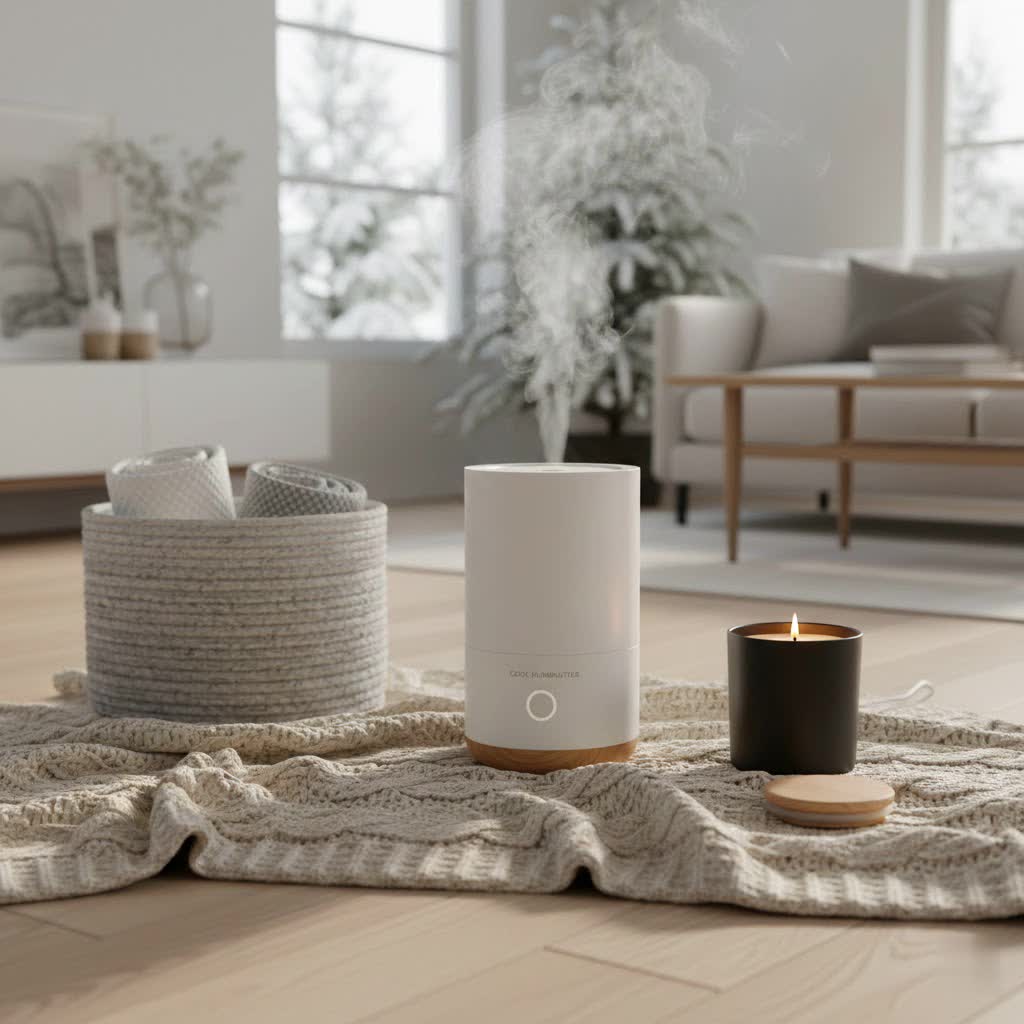
A cool mist humidifier is an electrical appliance designed to add moisture to the air by releasing a fine, cool vapor into the room. Unlike warm mist humidifiers that boil water, cool mist versions operate without a heating element, making them a safe and popular choice for nurseries. The increased humidity helps combat the drying effects of indoor heating, which can be particularly harsh in winter months.
For newborns, the benefits of a cool mist humidifier are numerous and significant:
- Alleviates Nasal Congestion: Babies cannot blow their noses, so a stuffy nose can be especially distressing. Moist air helps loosen mucus in the nasal passages, making it easier for them to breathe, feed, and sleep more comfortably.
- Soothes Dry Skin and Eczema: A baby’s delicate skin is highly susceptible to dryness. Humidified air helps maintain skin moisture, reducing dryness, itchiness, and flare-ups of conditions like eczema, which are often worsened by dry environments.
- Promotes Better Sleep: A comfortable environment is crucial for a newborn’s sleep. By preventing dry airways and soothing skin irritation, a humidifier can contribute to a more restful night for both baby and parents. Many models also emit a gentle white noise that some babies find comforting and conducive to sleep.
- Reduces Cold and Flu Symptoms: While not a cure, a cool mist humidifier can help alleviate symptoms associated with colds, coughs, and croup by keeping the respiratory system hydrated and easing throat irritation.
Parents living in dry climates or those with babies prone to colds, congestion, or dry skin can find a cool mist humidifier an invaluable addition to their nursery.
Cool Mist vs. Warm Mist: Why Safety Comes First for Your Baby
When it comes to choosing a humidifier for a newborn, the consensus among pediatricians and organizations like the American Academy of Pediatrics (AAP) is clear: always opt for a cool mist humidifier.
Here’s why:
- No Burn Risk: Warm mist humidifiers operate by boiling water to create steam. This hot water and steam pose a significant burn hazard if the unit is knocked over or if a curious child gets too close to the mist outlet. Cool mist humidifiers, on the other hand, use room temperature water, eliminating any risk of scalding burns.
- Equal Effectiveness: While warm mist might feel cozier, both cool mist and warm mist humidifiers are equally effective at adding moisture to the air. By the time the vapor reaches your baby’s lower airways, its temperature is no longer a factor in its humidifying capability.
- Potential for Nasal Swelling with Warm Mist: Some experts suggest that warm mist could potentially cause nasal passages to swell, making breathing more difficult, which is counterproductive for cold symptoms.
While cool mist humidifiers do not heat water, it’s crucial to acknowledge that stagnant water can be a breeding ground for bacteria and mold if not properly cleaned. This underscores the importance of diligent maintenance, which we will discuss in detail.
Types of Cool Mist Humidifiers for Nursery Comfort
Cool mist humidifiers generally come in two primary types, each with its own mechanism and characteristics:
Ultrasonic Humidifiers
Ultrasonic humidifiers use high-frequency vibrations to create a super-fine mist that is then dispersed into the room.
- Pros: They are typically very quiet, making them ideal for nurseries where silent operation is key to undisturbed sleep. They also tend to be energy-efficient.
- Cons: Because they don’t use a filter to trap minerals, ultrasonic humidifiers can sometimes produce “white dust” – a fine powder made of mineral deposits from tap water – which can settle on furniture. If not cleaned regularly or if tap water is used, they can also disperse minerals or other contaminants into the air.
|
Our Picks for the Best Cool Humidifier in 2026
As an Amazon Associate I earn from qualifying purchases.
|
||
| Num | Product | Action |
|---|---|---|
| 1 | AquaOasis® Cool Mist Humidifier (2.2L Water Tank) Quiet Ultrasonic Humidifiers for Bedroom & Large room - Adjustable -360 Rotation Nozzle, Auto-Shut Off, Humidifiers for Babies Nursery & Whole House |

|
| 2 | LEVOIT Top Fill Humidifiers for Bedroom, 2.5L Tank for Large Room, Easy to Fill & Clean, 26dB Quiet Cool Mist Air Humidifier for Home Baby Nursery & Plants, Auto Shut-off and BPA-Free for Safety, 25H |
|
| 3 | Humidifiers for Bedroom Large Room, 2.5L Cool Mist Humidifier with Essential Oil Diffuser, Top Fill Humidifier for Baby, Home, Plant, Ultrasonic Humidification for whole house, Auto Shut-Off |
|
| 4 | Homvana Humidifiers for Bedroom Home, 3.6 L Cool Mist Top-Fill 34H Super Long Time, Quiet 23dB, Baby Humidifier, Oil Diffuser for Large Room, House, Plant, Nursery, Office, BPA FREE, Ultrasonic (Grey) |
|
| 5 | Humidifiers for Bedroom - GloryAir 2.38Gal/9L Top Fill Warm & Cool Mist Humidifier for Large Room 750ft² with Auto Mode 7-Color Light, Humidistat, Quiet Humidifier for Plants Baby Adults Home & Office |
|
| 6 | Humidifiers for Bedroom, 2.0L Cool Mist Humidifier for Home Plant and Baby Nursery, Quiet Ultrasonic Humidifier with 360° Nozzle, Auto Shut-Off, Filterless, Black |
|
| 7 | MEGAWISE 3.5L Cool Mist Humidifier – Ultra-Quiet Ultrasonic Vaporizer with Top-Fill Design, Essential Oil Diffuser, 7-Color Night Light & Auto Shut-Off |
|
| 8 | Clarston 2L Cool Mist Humidifier for Bedroom with 360° Adjustable Nozzle, High and Low Mist Levels, Ultra-Low Noise, Light-Off, No BPA, Auto Shut Off, Ideal Baby Humidifier with Easy Top Filling |
|
| 9 | Dreo Smart Humidifiers for Bedroom, Top Fill 4L Supersized Humidifier Large Room with 28 dB, 36H Runtime, Touch/APP/Voice Control, Nightlight, Cool Mist Humidifiers for Baby, Plants, Indoor, Black |
|
| 10 | Dreo Humidifiers for Bedroom, 4L Top Fill for Large Room, 36H Runtime, 28 dB Quiet Supersized Cool Mist Air Humidifier for Baby Nursery, Plants, Indoor, Night Light, Easy to Clean & Fill, White |
|
Evaporative Humidifiers
Evaporative humidifiers work by drawing water from a reservoir into a wick or filter. A fan then blows air over the wet wick, causing the water to evaporate naturally into the air as an invisible mist.
- Pros: They are often more affordable and inherently self-regulating, as they won’t over-humidify a room. The filter helps trap minerals and other particles, preventing white dust and dispersing cleaner moisture.
- Cons: They typically use a fan, which can be noisier than ultrasonic models. The wicks or filters need regular replacement, adding to ongoing costs.
While a third type, impeller humidifiers, also produces a cool mist using a rapidly spinning disc, ultrasonic and evaporative models are the most common choices for nurseries due to their efficiency and available features.
Top Cool Mist Humidifiers for Newborns: A Curated Selection
Choosing the right cool mist humidifier involves balancing features, effectiveness, and ease of maintenance. Here are a few top-rated cool mist humidifiers that stand out for newborn use:
1. Crane Drop Ultrasonic Cool Mist Humidifier
The Crane Drop is a consistently popular choice for nurseries, known for its iconic teardrop design and user-friendly features.
- Pros: Whisper-quiet operation, auto shut-off, easy-to-fill tank, suitable for rooms up to 500 sq ft, and often comes in various colors. Many parents appreciate its effectiveness in alleviating congestion and dry air.
- Cons: While the tank is easy to fill, the base can be slightly challenging to clean thoroughly due to smaller crevices. Filter-free, so distilled water is recommended to avoid white dust.
- Ideal for: Parents seeking a quiet, effective, and visually appealing humidifier for a standard-sized nursery.
2. Levoit Dual 150 Ultrasonic Cool Mist Humidifier
Levoit offers several well-regarded humidifiers, and the Dual 150 is often praised for its thoughtful design.
- Pros: Top-fill design makes refilling effortless, 360-degree nozzle allows for directing mist, quiet operation, and features an auto-shutoff. The tank opening is often wide enough for easy hand-washing.
- Cons: Some smart features might not be necessary for all users, potentially adding to the cost if you only need basic humidification.
- Ideal for: Parents prioritizing ease of filling and cleaning, with adjustable mist direction.
3. Honeywell HUL520B Mistmate Cool Mist Humidifier
The Honeywell Mistmate is a compact and budget-friendly option that delivers reliable performance.
- Pros: Very affordable, small footprint ideal for smaller nurseries or nightstands, simple one-dial control, and generally quiet. Easy to clean thanks to its filter-free design and often a larger tank opening.
- Cons: Smaller tank capacity means more frequent refills compared to larger units. Lacks advanced features like humidistat or timers.
- Ideal for: Budget-conscious parents or those needing a basic, reliable humidifier for smaller spaces.
4. Safety 1st Connected Smart Humidifier
For tech-savvy parents, smart humidifiers offer convenience and enhanced control.
- Pros: Built-in hygrometer monitors room humidity, controllable via a companion app, includes a night light and sound machine. Top-fill design for easy refills.
- Cons: App connectivity issues reported by some users. Often a higher price point due to smart features.
- Ideal for: Parents who want precise control over humidity levels and enjoy integrated smart home features.
Making the Right Choice: A Newborn Cool Mist Humidifier Buying Guide
Selecting the best cool mist humidifier for your newborn involves considering several factors beyond just brand names:
Room Size and Coverage
Humidifiers are designed to cover specific square footage.
- Tip: Measure your nursery and choose a humidifier rated for that room size or slightly larger to ensure effective humidification without over-saturating the air. An oversized humidifier can lead to excessive humidity, promoting mold growth.
Noise Level
A quiet environment is essential for a newborn’s sleep.
- Tip: Look for models specifically advertised as “whisper-quiet” or with low decibel ratings. Ultrasonic humidifiers generally tend to be quieter than evaporative models.
Ease of Cleaning
This is arguably the most critical factor for a baby’s health. Dirty humidifiers can harbor mold and bacteria, which can then be dispersed into the air.
- Tip: Prioritize models with wide tank openings, easily detachable parts, and simple designs that allow for thorough scrubbing. Top-fill models are often easier to refill and clean. Some parts being dishwasher-safe is a bonus.
Essential Features
Consider what additional functionalities might enhance your experience:
- Auto Shut-Off: A must-have feature that turns the unit off when the water tank is empty, preventing damage and providing peace of mind.
- Humidistat: Allows you to set a desired humidity level, and the unit will maintain it automatically. This prevents over-humidification.
- Night Light/Sound Machine: Some models include these integrated features, adding convenience and reducing clutter in the nursery.
- Essential Oil Diffuser: While some humidifiers have trays for essential oils, exercise extreme caution when using them around newborns. Always consult your pediatrician before introducing essential oils, and only use manufacturer-recommended, baby-safe options (e.g., menthol-free VapoPads for infants over a certain weight/age).
Filtered vs. Filter-Free
- Filtered: Evaporative models often use filters. These help trap minerals and deliver cleaner mist but require regular filter replacement.
- Filter-Free: Ultrasonic models are often filter-free. While they avoid replacement costs, they necessitate the use of distilled water to prevent mineral buildup and white dust.
Budget
Cool mist humidifiers range from basic, affordable models to high-end units with smart features. Determine your budget and balance it with the features most important to your family’s needs.
Essential Usage and Maintenance for Your Newborn’s Humidifier
Proper use and meticulous cleaning are paramount to ensure your cool mist humidifier provides health benefits without introducing new risks.
Daily Routine
- Empty and Refill: Every day, empty any remaining water from the tank and reservoir. Rinse the tank thoroughly with clean water before refilling it with fresh, distilled water. Stagnant water is a prime breeding ground for bacteria and mold.
Weekly Deep Cleaning
Once a week, perform a thorough cleaning and disinfection:
- Unplug and Disassemble: Always turn off and unplug the humidifier before cleaning. Disassemble all removable parts, including the tank, base, and any trays or covers.
- Soak with Vinegar: Pour one to two cups of undiluted white vinegar into the water tank and swish it around to coat the interior. For the base, soak a cloth or paper towel in vinegar and wipe away any mineral buildup. Let the vinegar sit in the tank and on the base for at least 30 minutes to an hour to break down mineral deposits and kill bacteria.
- Scrub and Rinse: After soaking, use a small, soft brush (like a toothbrush) or a sponge to gently scrub away any loosened mineral scale or slime. Rinse all parts thoroughly with clean water until the smell of vinegar is completely gone.
- Air Dry: Allow all parts to air dry completely before reassembling the humidifier. This prevents mold growth.
- Note: Never mix bleach and vinegar, as this creates toxic fumes. If you prefer to use a bleach solution for disinfection (e.g., one teaspoon of bleach per gallon of water), do so only after thoroughly rinsing out any vinegar, and then rinse thoroughly again to remove all bleach residue.
Water Type Matters
- Use Distilled Water: Always use distilled or demineralized water in your cool mist humidifier. Tap water contains minerals that can create “white dust” and provide a breeding ground for bacteria and mold, which can then be released into the air your baby breathes.
Optimal Humidity Levels and Monitoring
- Maintain 30-50%: The ideal indoor humidity level is between 30% and 50%. Too little humidity can lead to dry air issues, but too much (above 60%) can encourage mold, mildew, and dust mite growth, potentially worsening allergies and respiratory symptoms.
- Monitor: Use a humidifier with a built-in hygrometer or a separate room hygrometer to monitor humidity levels. Adjust the humidifier’s settings as needed.
Safe Placement
- Out of Reach: Place the humidifier on a flat, stable surface where your baby cannot reach it. This prevents accidental tipping.
- Away from Crib: Position the humidifier at least six feet away from your baby’s crib or sleeping area, and ensure the mist is not directed straight onto your baby, bedding, or furniture. Direct mist can make surfaces damp and promote mold.
- Away from Electronics: Keep the humidifier away from electrical outlets and other electronic devices.
Additives and Essential Oils
- Caution: Only use additives or essential oils specifically recommended by the humidifier manufacturer and approved by your pediatrician for use with newborns. Many essential oils are not safe for infants, and non-approved additives can damage the unit or release harmful substances into the air. If using VapoPads, always check the age and weight guidelines.
Conclusion
A cool mist humidifier can be a wonderful tool for enhancing your newborn’s comfort, especially in dry environments or during periods of congestion. By adding essential moisture to the air, these devices help soothe dry skin, alleviate stuffy noses, and promote more restful sleep. However, the key to harnessing these benefits safely lies in making an informed choice and committing to diligent maintenance. Prioritize models recommended by pediatricians, designed for easy cleaning, and featuring essential safety functions. With proper care and attention, your cool mist humidifier will provide a healthy, comfortable atmosphere for your precious little one.
What changes have you noticed in your baby’s comfort since introducing a humidifier into their nursery?
Frequently Asked Questions About Cool Mist Humidifiers for Newborns
Can I use tap water in my baby’s humidifier?
It is strongly recommended to use distilled or demineralized water in your baby’s cool mist humidifier. Tap water contains minerals that can create “white dust” and encourage the growth of bacteria and mold, which can then be dispersed into the air your baby breathes.
How often should I clean my baby’s humidifier?
You should empty and refill the humidifier with fresh, distilled water daily. A thorough deep cleaning, including disinfecting with white vinegar (or a bleach solution, never mixed with vinegar), should be performed at least once a week to prevent the buildup of minerals, mold, and bacteria.
Where should I place the humidifier in the nursery?
Place the humidifier on a stable, flat surface, at least six feet away from your baby’s crib or sleeping area. Ensure the mist is not blowing directly onto your baby, bedding, or any furniture, as this can lead to dampness and mold growth. Keep it out of your baby’s reach.
What is the ideal humidity level for a baby’s room?
The ideal indoor humidity level for a baby’s room is between 30% and 50%. Monitoring this with a built-in or separate hygrometer is important to prevent overly dry or excessively humid conditions. Too much humidity can promote mold and dust mite growth.
Can a humidifier help with my baby’s cough or stuffy nose?
Yes, a cool mist humidifier can help alleviate symptoms of a baby’s cough or stuffy nose. The added moisture in the air helps loosen mucus in the nasal passages and soothe irritated airways, making it easier for your baby to breathe and feel more comfortable.
