Are you constantly battling dry airways, persistent coughing, or wheezing that exacerbates your asthma symptoms? Many people with asthma find relief by managing the humidity levels in their indoor environment. A cool mist humidifier can be a powerful tool in your asthma management strategy, providing a soothing environment that helps you breathe more easily. Understanding how these devices work, their benefits, and how to use them effectively is key to improving your respiratory comfort and overall well-being. This guide will walk you through everything you need to know about cool mist humidifiers and their role in creating a healthier home for asthma sufferers.
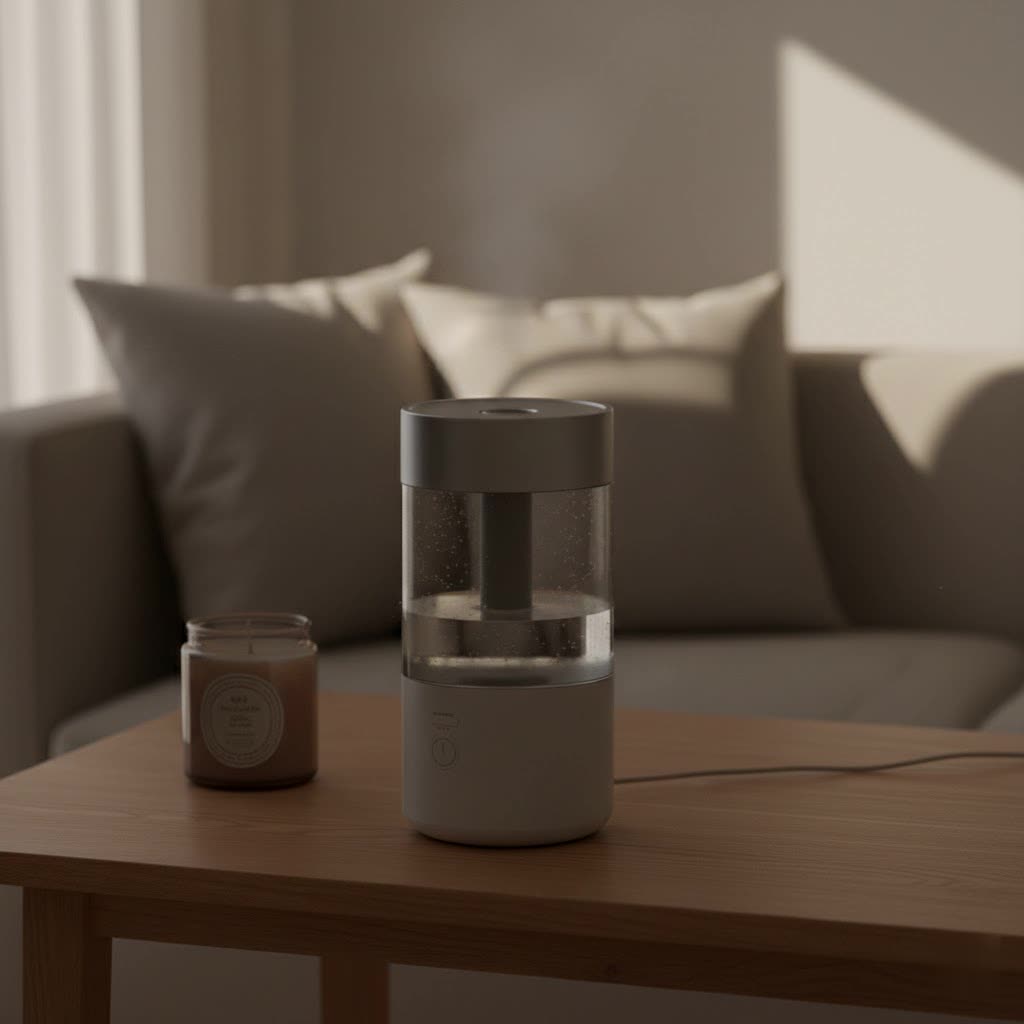
What is a Cool Mist Humidifier and Why Do You Need It?
A cool mist humidifier is an electrical appliance designed to add moisture to the air in your home by releasing fine, cool water vapor. Unlike warm mist humidifiers that heat water to create steam, cool mist models disperse unheated water, making them a safer option, especially in homes with children or pets. This added moisture can significantly impact the quality of the air you breathe, particularly when the indoor environment is dry due to heating systems or arid climates.
The benefits of a cool mist humidifier extend beyond mere comfort. For individuals with asthma, dry air can be a significant trigger, leading to irritated airways, increased mucus production, and heightened sensitivity to allergens. Introducing moisture into the air can:
- Soothe Irritated Airways: Moist air helps calm dry and inflamed nasal passages and throat, reducing irritation that can trigger asthma symptoms.
- Alleviate Coughing and Wheezing: By preventing dryness, a humidifier can ease the persistent coughing and wheezing often associated with asthma.
- Thin Mucus: Dry air can cause mucus in the airways to become thick and sticky, making it difficult to clear. Humidified air helps to thin mucus, making it easier to expel and facilitating clearer breathing.
- Reduce Airborne Irritants: Some studies suggest that airborne particles and allergens may settle more quickly in humid environments, potentially reducing their concentration in the breathing zone.
Anyone experiencing the adverse effects of dry indoor air can benefit from a cool mist humidifier. This includes individuals living in dry climates, during winter months when indoor heating dries out the air, or those with chronic respiratory conditions like asthma. It’s a proactive step towards creating a more lung-friendly environment at home.
Common Types of Cool Mist Humidifiers
When considering a cool mist humidifier, you’ll primarily encounter two main types: ultrasonic and evaporative. Both effectively add moisture to the air, but they achieve it through different mechanisms, each with its own set of advantages and considerations.
Ultrasonic Humidifiers
Ultrasonic humidifiers use high-frequency sound vibrations to produce a super-fine mist that is then dispersed into the air. They are often favored for their quiet operation and lack of a filter in some models, although filter options are available.
- Pros:
- Quiet Operation: They are generally very quiet, making them ideal for bedrooms and nurseries.
- Filter-Free Options: Some models don’t require filters, which can reduce ongoing costs and maintenance.
- Instant Mist: They produce mist almost instantly.
- Cons:
- “White Dust” Potential: If used with hard tap water, minerals can be dispersed into the air as a fine white dust, which can settle on surfaces and potentially irritate the lungs of sensitive individuals. Using distilled water can prevent this.
- Cleaning: Despite some being filter-free, they still require regular cleaning to prevent mold and bacterial growth.
|
Our Picks for the Best Cool Humidifier in 2026
As an Amazon Associate I earn from qualifying purchases.
|
||
| Num | Product | Action |
|---|---|---|
| 1 | Humidifiers for Bedroom Large Room, 2.5L Cool Mist Humidifier with Essential Oil Diffuser, Top Fill Humidifier for Baby, Home, Plant, Ultrasonic Humidification for whole house, Auto Shut-Off |

|
| 2 | Homvana Humidifiers for Bedroom Home, 3.6 L Cool Mist Top-Fill 34H Super Long Time, Quiet 23dB, Baby Humidifier, Oil Diffuser for Large Room, House, Plant, Nursery, Office, BPA FREE, Ultrasonic (Grey) |
|
| 3 | Humidifiers for Bedroom, 2.0L Cool Mist Humidifier for Home Plant and Baby Nursery, Quiet Ultrasonic Humidifier with 360° Nozzle, Auto Shut-Off, Filterless, Black |
|
| 4 | Dreo Humidifiers for Bedroom, 4L Top Fill for Large Room, 36H Runtime, 28 dB Quiet Supersized Cool Mist Air Humidifier for Baby Nursery, Plants, Indoor, Night Light, Easy to Clean & Fill, White |
|
| 5 | Dreo Smart Humidifiers for Bedroom, Top Fill 4L Supersized Humidifier Large Room with 28 dB, 36H Runtime, Touch/APP/Voice Control, Nightlight, Cool Mist Humidifiers for Baby, Plants, Indoor, Black |
|
| 6 | Clarston 2L Cool Mist Humidifier for Bedroom with 360° Adjustable Nozzle, High and Low Mist Levels, Ultra-Low Noise, Light-Off, No BPA, Auto Shut Off, Ideal Baby Humidifier with Easy Top Filling |
|
| 7 | LEVOIT Top Fill Humidifiers for Bedroom, 2.5L Tank for Large Room, Easy to Fill & Clean, 26dB Quiet Cool Mist Air Humidifier for Home Baby Nursery & Plants, Auto Shut-off and BPA-Free for Safety, 25H |
|
| 8 | Humidifiers for Bedroom - GloryAir 2.38Gal/9L Top Fill Warm & Cool Mist Humidifier for Large Room 750ft² with Auto Mode 7-Color Light, Humidistat, Quiet Humidifier for Plants Baby Adults Home & Office |
|
| 9 | MEGAWISE 3.5L Cool Mist Humidifier – Ultra-Quiet Ultrasonic Vaporizer with Top-Fill Design, Essential Oil Diffuser, 7-Color Night Light & Auto Shut-Off |
|
| 10 | AquaOasis® Cool Mist Humidifier (2.2L Water Tank) Quiet Ultrasonic Humidifiers for Bedroom & Large room - Adjustable -360 Rotation Nozzle, Auto-Shut Off, Humidifiers for Babies Nursery & Whole House |
|
Evaporative Humidifiers
Evaporative humidifiers work by using a fan to draw air through a moistened wick filter. As air passes through the wet filter, water evaporates, and the fan disperses the invisible, humidified air into the room. This process is self-regulating, as the amount of moisture released depends on the humidity level of the air.
- Pros:
- Self-Regulating: They naturally stop adding moisture when the air reaches a certain humidity level, reducing the risk of over-humidification.
- No White Dust: Since minerals remain on the wick filter, they don’t produce white dust.
- Natural Process: The evaporation process is natural and efficient.
- Cons:
- Filters Required: They require regular filter replacement, which is an ongoing cost and maintenance task.
- Can Be Noisier: The fan operation can make them slightly noisier than ultrasonic models.
- “Humidifier Fever” Risk: If not cleaned properly, the wick can become a breeding ground for bacteria and mold, which can then be dispersed into the air, potentially causing flu-like symptoms.
Cool Mist vs. Warm Mist Humidifiers for Asthma
While both types add moisture, cool mist humidifiers are generally recommended for asthma sufferers, particularly by health organizations. The primary reason is safety, as there’s no heating element involved, eliminating the risk of burns. Additionally, some individuals find that the cooler mist is more soothing for inflamed airways. Warm mist humidifiers, while potentially helpful for breaking up mucus, can pose a burn hazard and may be more prone to bacterial growth due to the warm environment if not meticulously cleaned.
> “For individuals with asthma, maintaining indoor humidity between 30% and 50% is crucial. Cool mist humidifiers, when properly maintained, can help achieve this balance without the risks associated with heated vapor.” – Dr. Eleanor Vance, Pulmonologist
Top Cool Mist Humidifiers for Asthma Sufferers
Choosing the right cool mist humidifier involves balancing effectiveness, ease of use, and maintenance. Here are some highly-regarded models known for their performance and features beneficial for asthma management:
1. Pure Enrichment MistAire Ultrasonic Cool Mist Humidifier
This popular ultrasonic model is lauded for its quiet operation and automatic shut-off feature, making it ideal for overnight use in bedrooms. It offers up to 16 hours of continuous operation on a high setting and is easy to fill and clean. Its adjustable mist output allows for personalized humidity control.
2. Honeywell HUL520B Mini Cool Mist Humidifier
Compact and efficient, the Honeywell Mini is perfect for smaller rooms or personal spaces like a desktop or nightstand. It’s filter-free, simplifying maintenance, and includes an essential oil tray for added aromatherapy benefits (use with caution if sensitive to scents). Users appreciate its large tank opening for easy filling and cleaning.
3. LEVOIT Classic 300S Smart Ultrasonic Cool Mist Humidifier
For those seeking smart features and superior control, the LEVOIT Classic 300S is a top contender. It boasts powerful moisture output suitable for medium to large rooms, operates very quietly, and can be controlled via an app or voice assistant. Its built-in humidistat automatically maintains desired humidity levels, preventing over-humidification.
4. Dyson Purifier Humidify+Cool Autoreact
While on the pricier side, this device offers a comprehensive solution by combining a cool mist humidifier with an air purifier, including a true HEPA filter. It’s certified as asthma- and allergy-friendly, capturing 99.97% of bacteria before releasing humidified air. Its intelligent climate control maintains steady humidity without over-humidifying.
5. Everlasting Comfort Cool Mist Humidifier (Filterless)
This filterless ultrasonic humidifier offers convenience and sustainability. It’s known for its quiet operation and doubles as an essential oil diffuser. With a large tank, it provides ample hydration throughout a room for extended periods, reducing the hassle of frequent refills.
Comparison Table: Leading Cool Mist Humidifiers
| Feature | Pure Enrichment MistAire | Honeywell Mini Cool Mist | LEVOIT Classic 300S | Dyson Purifier Humidify+Cool Autoreact | Everlasting Comfort Cool Mist |
|---|---|---|---|---|---|
| Type | Ultrasonic | Ultrasonic | Ultrasonic | Humidifier + Air Purifier | Ultrasonic |
| Room Size | Small to Medium | Small | Medium to Large | Large | Medium to Large |
| Tank Capacity | 1.5 Liters (0.4 gal) | 0.5 Gallons | 6 Liters (1.58 gal) | 5 Liters (1.3 gal) | 6 Liters (1.6 gal) |
| Run Time | Up to 16 hours | Up to 24 hours | Up to 60 hours | Up to 36 hours | Up to 50 hours |
| Noise Level | Quiet | Quiet | Very Quiet | Moderate | Quiet |
| Special Features | Auto Shut-Off, Night Light | Essential Oil Tray, Filter-Free | Smart Control, Humidistat, Quiet | HEPA Filter, Air Purifier, UV Light, Smart | Filterless, Essential Oil Diffuser |
| Ease of Cleaning | Easy | Easy | Moderate | Moderate | Easy |
| Filter Required? | No | No | No | Yes (HEPA for purification) | No |
Your Buying Guide: How to Choose the Right Cool Mist Humidifier
Selecting the perfect cool mist humidifier for your home, especially when managing asthma, requires careful consideration of several factors.
- Room Size: Humidifiers are rated for specific room sizes (e.g., small, medium, large). Choose a model that matches the square footage of the room where you intend to use it. An undersized unit won’t be effective, while an oversized one can lead to over-humidification.
- Noise Level: For bedrooms or quiet living areas, a quiet model (often ultrasonic) is paramount. Check decibel ratings or user reviews for feedback on noise.
- Features:
- Humidistat: A built-in humidistat is highly recommended as it allows the device to automatically turn on and off to maintain a preset humidity level (ideally 30-50%). This prevents excessive moisture, which can encourage mold and dust mites.
- Auto Shut-Off: A safety feature that turns the unit off when the water tank is empty.
- Variable Mist Settings: Allows you to adjust the mist output to suit your comfort level and room conditions.
- Easy to Clean: Look for models with wide tank openings and minimal intricate parts to simplify the crucial cleaning process.
- Filter vs. Filterless: Filterless models reduce ongoing costs but may require more frequent cleaning to prevent mineral buildup. Filtered evaporative models collect minerals, preventing white dust but requiring filter replacement.
- Smart Features: App control, voice assistant integration, and scheduling can add convenience.
- Price and Maintenance Costs: Consider both the initial purchase price and ongoing costs like distilled water or replacement filters.
- Brand Reputation: Stick with reputable brands known for quality and customer support. Brands like Honeywell, Levoit, Pure Enrichment, and Dyson are generally well-regarded.
Tips for Specific Needs:
- For Children/Nurseries: Prioritize cool mist models for safety (no burn risk). Quiet operation is also a key factor.
- For Allergy Sufferers: Look for models with UV light technology to kill bacteria and viruses in the water, or combination humidifier/air purifier units with HEPA filters.
- For Older Adults: Simplicity of operation and easy refilling/cleaning are important.
Using and Maintaining Your Cool Mist Humidifier Correctly
A cool mist humidifier can be a friend to your lungs, but only if used and maintained diligently. Improper use can turn it into a source of asthma triggers like mold and bacteria.
Safe and Effective Usage:
- Optimal Humidity Levels: Aim for indoor humidity between 30% and 50%. Use a hygrometer to monitor the humidity if your humidifier doesn’t have a built-in humidistat.
- Use Distilled Water: Always use distilled or demineralized water. Tap water contains minerals that can create “white dust” (fine mineral particles) that irritates the lungs and promotes bacterial growth.
- Placement: Place the humidifier on a flat, water-resistant surface, away from walls, furniture, and electronics. Avoid placing it directly under vents.
- Don’t Over-Humidify: Excessive humidity (above 50%) creates ideal conditions for dust mites, mold, and mildew, which are potent asthma triggers.
- Ventilate: Periodically open windows to allow fresh air circulation and prevent stale, overly humid air.
Regular Cleaning and Maintenance:
This is arguably the most critical aspect of using a humidifier for asthma. A dirty humidifier can release mold, bacteria, and allergens directly into your breathing air, worsening asthma symptoms.
- Daily Maintenance:
- Empty the water tank and reservoir daily.
- Rinse the tank and wipe down surfaces with fresh water.
- Refill with fresh distilled water.
- Weekly Deep Cleaning:
- Disassemble: Unplug the unit and take apart all removable components (tank, base, cap, filter tray).
- Clean Tank and Base: Use a mild dish soap and warm water with a brush to thoroughly scrub the inside of the water tank and the base to remove any film or mineral deposits. For stubborn buildup, a vinegar solution (equal parts white vinegar and water) can be used. Allow it to soak for 20-30 minutes, then scrub and rinse thoroughly.
- Clean Filters (if applicable): If your humidifier has a wick filter, check the manufacturer’s instructions for cleaning or replacement. Filters should be changed according to the schedule, or more frequently if you notice discoloration or a decrease in performance.
- Disinfect: Some manufacturers recommend a bleach solution (1 teaspoon of bleach per gallon of water) for disinfection. Soak parts for 20-30 minutes, then rinse extremely thoroughly to remove all bleach residue, as residual bleach can irritate the respiratory system. Always refer to your humidifier’s manual for specific disinfection instructions.
- Dry Completely: Allow all parts to air dry completely before reassembling to prevent mold growth.
- Storage: When not in use, clean and dry the humidifier thoroughly before storing it in a cool, dry place.
Common Issues and Troubleshooting:
- White Dust: This is typically caused by minerals in tap water. Switch to distilled water.
- Mold/Musty Smell: Indicates mold or bacterial growth. Perform a thorough deep clean immediately. If the smell persists, the filter or unit may need replacement.
- No Mist/Low Output: Check water levels, ensure the unit is plugged in, and clean any mineral buildup on the ultrasonic disc or wick filter.
- Over-Humidification: If windows show condensation or the room feels damp, reduce mist output or use a humidistat.
> “The greatest risk with humidifiers, particularly for asthma patients, comes from improper cleaning. A humidifier that isn’t cleaned regularly can become a haven for mold and bacteria, turning a helpful device into a harmful one.” – Annette Davies, Indoor Air Quality Expert
Conclusion
Cool mist humidifiers can be a valuable asset in managing asthma symptoms and improving overall respiratory comfort, especially in dry environments. By adding essential moisture to the air, they help soothe airways, thin mucus, and reduce irritation that can trigger asthma attacks. However, their effectiveness and safety hinge on proper usage and rigorous maintenance.
Choosing the right cool mist humidifier, maintaining optimal indoor humidity levels between 30% and 50%, and diligently cleaning the unit with distilled water are crucial steps. By following these guidelines, you can transform your home into a more asthma-friendly sanctuary, allowing you to breathe easier and live more comfortably. Remember to consult with your doctor to integrate a humidifier effectively into your personalized asthma management plan.
What changes will you make to your indoor environment to support healthier breathing?
Frequently Asked Questions
Are cool mist humidifiers safe for babies with asthma?
Yes, cool mist humidifiers are generally recommended for babies and children with asthma due to the absence of a heating element, which eliminates the risk of burns. Always ensure the unit is kept clean and filled with distilled water to prevent the spread of germs.
Can a humidifier worsen asthma?
Yes, if not properly maintained or if it leads to excessive humidity, a humidifier can worsen asthma. High humidity encourages the growth of mold and dust mites, which are common asthma triggers. Dirty humidifiers can also release bacteria and mold into the air.
How often should I clean my cool mist humidifier?
You should empty and rinse the water tank daily, and perform a more thorough deep clean with a mild disinfectant (like vinegar solution) at least once a week. Filters, if present, should be changed according to the manufacturer’s recommendations or more frequently if visibly dirty.
What is the ideal humidity level for people with asthma?
Most experts recommend maintaining indoor humidity levels between 30% and 50% for individuals with asthma. This range is sufficient to alleviate dry air symptoms without promoting the growth of mold or dust mites. Use a hygrometer to monitor your room’s humidity.
Should I use tap water or distilled water in my humidifier?
It is strongly recommended to use distilled or demineralized water in your humidifier. Tap water contains minerals that can be dispersed as “white dust” which can irritate the lungs, and it can also foster bacterial growth within the unit.
