In our increasingly dry indoor environments, a silent struggle often takes place: dry air can lead to uncomfortable symptoms like itchy skin, irritated sinuses, and persistent coughs. If you’ve ever woken up with a scratchy throat or noticed static electricity crackling in your home, you’re likely experiencing the effects of low humidity. The solution? A cool mist humidifier. These devices gently release a fine, cool vapor into the air, restoring optimal moisture levels and transforming your living space into a haven of comfort and improved health. This comprehensive guide will help you understand, choose, and maintain the perfect cool mist humidifier for your needs.
What is a Cool Mist Humidifier and Why Do You Need It?
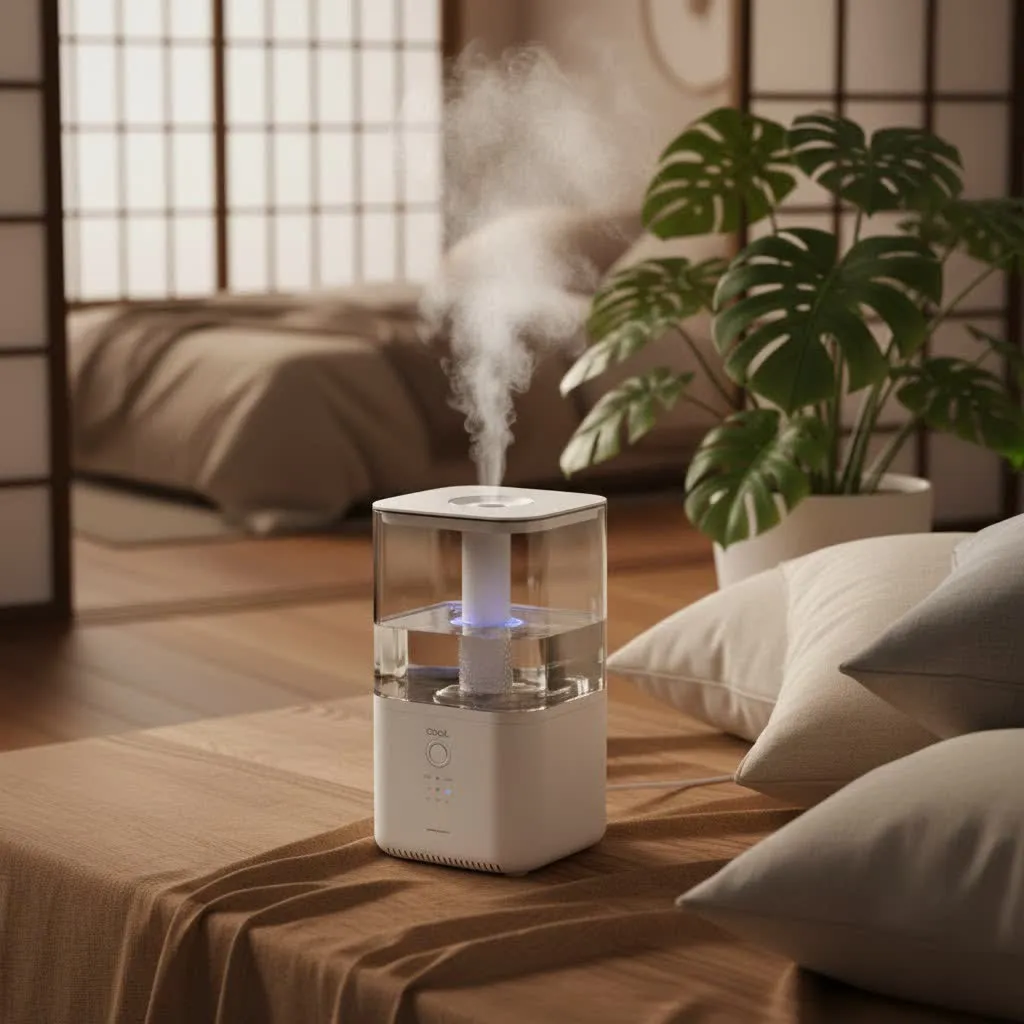
A cool mist humidifier is an appliance designed to increase the humidity in a room by emitting a room-temperature vapor. Unlike warm mist humidifiers that heat water to produce steam, cool mist models use various technologies to disperse fine water droplets into the air without any heating element. This fundamental difference makes them a popular choice for many households.
The benefits of maintaining adequate indoor humidity (ideally between 40-60%) are numerous and far-reaching:
- Alleviates Dry Skin and Lips: By adding moisture to the air, humidifiers help your skin retain its natural oils, reducing dryness, flakiness, and chapping.
- Soothes Respiratory Issues: For those suffering from colds, flu, allergies, or asthma, humidified air can ease congestion, soothe irritated nasal passages and throats, and thin mucus, making it easier to breathe.
- Reduces Allergy Symptoms: While not a cure, increased humidity can help alleviate dryness that exacerbates allergy symptoms.
- Prevents Nosebleeds: Dry air is a common cause of nosebleeds, and a humidifier can help keep nasal passages moist.
- Protects Your Home: Optimal humidity levels can also help preserve wood furniture, musical instruments, and houseplants, preventing them from drying out and cracking.
- Safer for Children and Pets: Without a heating element, cool mist humidifiers eliminate the risk of burns from hot water or steam, making them the safest option for homes with young children and curious pets.
If you live in a dry climate, frequently use heating or air conditioning, or simply want to improve your overall indoor comfort and health, a cool mist humidifier is an invaluable addition to your home.
Types of Cool Mist Humidifiers on the Market
Cool mist humidifiers typically fall into two main categories, each employing a distinct method to introduce moisture into your environment. Understanding these differences is key to choosing the right model.
Ultrasonic Humidifiers
Ultrasonic humidifiers utilize high-frequency sound vibrations, well beyond the range of human hearing, to break water into a super-fine mist. This mist is then quietly dispersed into the room.
-
Pros:
- Extremely Quiet Operation: Their filterless design and vibration-based misting make them very quiet, ideal for bedrooms and nurseries.
- No Filters to Replace: This can reduce ongoing maintenance costs and effort.
- Instant Mist: They produce mist almost immediately upon turning on.
-
Cons:
- “White Dust” Potential: If hard tap water is used, minerals can be aerosolized and settle as a fine white dust on furniture and surfaces. This can be mitigated by using distilled water.
- Can Over-Humidify: Without an integrated humidistat, they can potentially oversaturate the air.
|
Our Picks for the Best Cool Humidifier in 2026
As an Amazon Associate I earn from qualifying purchases.
|
||
| Num | Product | Action |
|---|---|---|
| 1 | Humidifiers for Bedroom Large Room, 2.5L Cool Mist Humidifier with Essential Oil Diffuser, Top Fill Humidifier for Baby, Home, Plant, Ultrasonic Humidification for whole house, Auto Shut-Off |

|
| 2 | Dreo Humidifiers for Bedroom, 4L Top Fill for Large Room, 36H Runtime, 28 dB Quiet Supersized Cool Mist Air Humidifier for Baby Nursery, Plants, Indoor, Night Light, Easy to Clean & Fill, White |
|
| 3 | LEVOIT Top Fill Humidifiers for Bedroom, 2.5L Tank for Large Room, Easy to Fill & Clean, 26dB Quiet Cool Mist Air Humidifier for Home Baby Nursery & Plants, Auto Shut-off and BPA-Free for Safety, 25H |
|
| 4 | Homvana Humidifiers for Bedroom Home, 3.6 L Cool Mist Top-Fill 34H Super Long Time, Quiet 23dB, Baby Humidifier, Oil Diffuser for Large Room, House, Plant, Nursery, Office, BPA FREE, Ultrasonic (Grey) |
|
| 5 | MEGAWISE 3.5L Cool Mist Humidifier – Ultra-Quiet Ultrasonic Vaporizer with Top-Fill Design, Essential Oil Diffuser, 7-Color Night Light & Auto Shut-Off |
|
| 6 | Dreo Smart Humidifiers for Bedroom, Top Fill 4L Supersized Humidifier Large Room with 28 dB, 36H Runtime, Touch/APP/Voice Control, Nightlight, Cool Mist Humidifiers for Baby, Plants, Indoor, Black |
|
| 7 | AquaOasis® Cool Mist Humidifier (2.2L Water Tank) Quiet Ultrasonic Humidifiers for Bedroom & Large room - Adjustable -360 Rotation Nozzle, Auto-Shut Off, Humidifiers for Babies Nursery & Whole House |
|
| 8 | Humidifiers for Bedroom - GloryAir 2.38Gal/9L Top Fill Warm & Cool Mist Humidifier for Large Room 750ft² with Auto Mode 7-Color Light, Humidistat, Quiet Humidifier for Plants Baby Adults Home & Office |
|
| 9 | Clarston 2L Cool Mist Humidifier for Bedroom with 360° Adjustable Nozzle, High and Low Mist Levels, Ultra-Low Noise, Light-Off, No BPA, Auto Shut Off, Ideal Baby Humidifier with Easy Top Filling |
|
| 10 | Humidifiers for Bedroom, 2.0L Cool Mist Humidifier for Home Plant and Baby Nursery, Quiet Ultrasonic Humidifier with 360° Nozzle, Auto Shut-Off, Filterless, Black |
|
Evaporative Humidifiers
Evaporative humidifiers work by drawing dry air through a moist wick or filter using a fan. As air passes over the wet surface, water naturally evaporates and is released into the room as an invisible, cool mist.
-
Pros:
- Self-Regulating: They naturally stop evaporating water once the humidity in the room reaches a certain level, preventing over-humidification.
- No White Dust: The filter traps minerals, eliminating the white dust issue common with ultrasonic models.
- Energy-Efficient: The process of natural evaporation is generally more energy-efficient.
- Cleaner Mist: Filters can help remove impurities from the water before it’s released.
-
Cons:
- “White Noise” from Fan: The fan produces a consistent sound, which some find soothing, while others may find it disruptive.
- Filter Replacement: Filters need regular cleaning and replacement, adding to ongoing costs and maintenance.
- Slower to Humidify: The humidification process is slower compared to ultrasonic models.
While a third type, impeller humidifiers, also exists (using a rotating disc), ultrasonic and evaporative models dominate the market due to their effectiveness and widespread availability.
Top Cool Mist Humidifiers on the Market
Choosing the best cool mist humidifier can be daunting with so many options available. Here’s a look at some highly-rated models that stand out for their performance, features, and user satisfaction:
- Levoit OasisMist Smart Humidifier: Often lauded as an “overall best,” this smart humidifier offers both cool and warm mist options, making it versatile. It features generous tank capacity, smart app connectivity, an essential oil diffuser, and quiet operation, earning high marks for ease of use and effective humidification.
- Crane 1 Gallon Drop Cool Mist Humidifier: A popular choice for its balance of performance, user-friendliness, and coverage at an accessible price point. Its distinctive teardrop shape and intuitive design make it a favorite for many, particularly in bedrooms.
- Pure Enrichment MistAire Ultrasonic Cool Mist Humidifier: This ultrasonic model is frequently recommended for its quiet operation and effective moisture output, making it suitable for hot sleepers and warm climates. It scores well in noise, cleaning, and user-friendliness.
- Carepod One: Praised for its exceptional ease of cleaning, this high-end ultrasonic cool mist unit features only five main components, most of which are dishwasher-safe. It’s designed to minimize crevices where mold can grow, making maintenance a breeze, though it comes at a higher price point.
- Levoit Dual 150 Ultrasonic Cool Mist Humidifier: An excellent budget-friendly option, this model offers a top-fill design for easy refills, includes an essential oil diffuser, and provides effective humidification for smaller spaces. It’s noted for its quiet operation and immediate increase in room humidity.
Each of these models brings a unique set of advantages, catering to different needs and preferences, from smart home integration to minimalist design and effortless cleaning.
Comparison Table of Leading Cool Mist Humidifiers
To help you visualize the differences, here’s a comparative overview of some top-rated cool mist humidifiers:
| Model | Type | Price Range | Capacity (Gallons) | Room Size (Sq Ft) | Noise Level | Key Features |
|---|---|---|---|---|---|---|
| Levoit OasisMist Smart Humidifier | Ultrasonic | Mid-High | 1.18 | Up to 500 | Quiet | Smart app control, essential oil tray, auto mode, cool/warm mist |
| Crane 1 Gallon Drop Humidifier | Ultrasonic | Budget-Mid | 1 | Up to 500 | Quiet | Filter-free, simple controls, unique design |
| Pure Enrichment MistAire Ultrasonic | Ultrasonic | Budget-Mid | 0.4 | Up to 250 | Quiet | Auto shut-off, night light, 360-degree mist nozzle |
| Carepod One | Ultrasonic | High | 1.3 | Up to 500 | Very Quiet | Dishwasher-safe parts, easy to clean, minimalist design |
| Levoit Dual 150 Ultrasonic | Ultrasonic | Budget | 0.79 | Up to 250 | Quiet | Top-fill design, essential oil tray, 360-degree nozzle |
Note: Prices are approximate and can vary based on retailer and promotions.
Guidance on Selecting the Right Cool Mist Humidifier (Buying Guide)
Choosing the perfect cool mist humidifier involves considering several factors to ensure it meets your specific needs and integrates seamlessly into your lifestyle.
Room Size and Capacity
The humidifier’s capacity should match the square footage of the room you intend to humidify. Manufacturers typically provide a recommended room size (e.g., small, medium, large, whole house). For example, a 1-gallon tank might suit a 300 sq ft room, while larger spaces might require a 2-gallon or more capacity. Remember that a larger water tank means longer runtime and less frequent refills, not necessarily greater coverage. Consider your ceiling height too; higher ceilings mean more air volume to humidify.
Noise Level
Ultrasonic humidifiers are generally the quietest, often operating at whisper-quiet levels, making them ideal for bedrooms, nurseries, or offices where silence is valued. Evaporative models, due to their fan, produce a consistent “white noise.” Some users find this soothing for sleep, while others prefer absolute quiet. Test the sound level if possible or read user reviews specifically addressing noise.
Ease of Cleaning and Maintenance
Regular cleaning is paramount to prevent mold and bacterial growth, which can be detrimental to your health. Look for humidifiers with:
- Wide tank openings for easy access.
- Fewer components to disassemble and clean.
- Dishwasher-safe parts (a premium feature, like on the Carepod One).
- Filter requirements: Evaporative models need filter replacement, adding to ongoing costs and maintenance. Ultrasonic models are filter-free but require using distilled water to prevent white dust.
Key Features to Consider
Modern cool mist humidifiers come with a variety of features that enhance convenience and performance:
- Built-in Humidistat: Allows you to set a desired humidity level (e.g., 50%), and the unit will automatically turn on/off to maintain it. This prevents over-humidification and saves energy.
- Auto Shut-Off: A crucial safety feature that turns the unit off when the water tank is empty, preventing motor burnout.
- Smart Features/App Control: Some models can be controlled via a smartphone app, allowing for remote operation, scheduling, and monitoring humidity levels.
- Essential Oil Diffuser: A separate tray or compartment allows you to add essential oils, turning your humidifier into an aromatherapy device.
- Night Lights/Sleep Modes: Ideal for nurseries or bedrooms, offering a soft glow or dimmable displays for undisturbed sleep.
- Top-Fill Design: Simplifies refilling the water tank without spills.
Budget
Cool mist humidifiers range widely in price, from budget-friendly options under $50 to high-end smart models exceeding $150. Determine your budget and prioritize the features most important to you. Sometimes, investing a bit more in an easy-to-clean or feature-rich model can save you time and hassle in the long run.
Where to Buy
Cool mist humidifiers are widely available. You can find them at major online retailers like Amazon, Walmart, and Best Buy, offering a vast selection and competitive pricing. Many big-box stores and home goods retailers also carry a selection, allowing you to see products in person before purchasing. Local pharmacies and department stores might also stock smaller models.
How to Use and Maintain Your Cool Mist Humidifier Properly
Proper usage and consistent maintenance are critical not only for the longevity of your cool mist humidifier but, more importantly, for your health. A poorly maintained humidifier can become a breeding ground for mold and bacteria, releasing these contaminants into your air.
Initial Setup and Placement
- Read the Manual: Always start by reading the manufacturer’s instructions for specific setup and care.
- Choose a Flat, Stable Surface: Place your humidifier on a level, waterproof surface, away from sensitive electronics, direct sunlight, or heat sources.
- Fill with Recommended Water: For ultrasonic humidifiers, using distilled water is highly recommended to prevent “white dust.” Tap water is generally fine for evaporative models as the filter traps minerals, but distilled water is still preferred for optimal hygiene. Avoid adding anything other than water to the tank unless specifically designed for essential oils.
Daily Usage Tips
- Refill Regularly: Ensure the water tank is filled as needed, especially if running continuously.
- Monitor Humidity Levels: Aim for an indoor humidity level between 40% and 60%. Many humidifiers have a built-in humidistat to help with this. If not, a separate hygrometer can be purchased.
- Avoid Over-Humidifying: Too much humidity can encourage mold growth in your home. If condensation appears on windows, reduce the humidifier’s output.
Essential Cleaning and Maintenance
This is arguably the most important aspect of owning a humidifier.
- Daily Rinse: Empty the water tank daily and rinse it with fresh water. Allow it to air dry before refilling. Never leave standing water in the tank when not in use.
- Weekly Deep Clean: At least once a week, perform a thorough cleaning:
- Disassemble: Unplug the unit and take apart all removable components (tank, base, trays, filters).
- Vinegar Soak: Fill the water tank with 1-2 cups of white vinegar and let it sit for 20-30 minutes to loosen mineral buildup. You can also soak smaller parts in a bowl of vinegar.
- Scrub: Use a soft brush or sponge to scrub away any mineral deposits or film from all surfaces, especially inside the tank and the base. For ultrasonic models, gently clean the nebulizer (oscillator) with a soft brush, as mineral buildup here can reduce mist output.
- Rinse Thoroughly: Rinse all components thoroughly with clean water until the smell of vinegar is gone.
- Disinfect (Optional, but Recommended): For an extra layer of sanitation, you can disinfect the tank and base. Mix 1 teaspoon of bleach in 1 gallon of water. Swish the solution in the tank and let it stand for 20 minutes, then rinse very thoroughly until no bleach smell remains. Ensure no bleach residue is left before use.
- Dry: Allow all parts to air dry completely before reassembling the unit.
- Filter Replacement (Evaporative Models): Follow the manufacturer’s recommendations for replacing filters, typically every 1-3 months, or when they appear discolored or hardened with mineral deposits.
Common Issues and Troubleshooting
- White Dust: This is a sign of mineral buildup from hard tap water, common with ultrasonic humidifiers. Switch to distilled water.
- Mold/Mildew: Indicates insufficient cleaning. Increase cleaning frequency and ensure thorough drying.
- No Mist Output: Check water levels, ensure the unit is plugged in, and clean the nebulizer/transducer (ultrasonic) or check/replace the filter (evaporative).
> “Regular cleaning is not just about extending your humidifier’s lifespan; it’s about protecting your family’s health. Neglected humidifiers can become health hazards, not helpers.” – Dr. Emily R. Chen, Environmental Health Specialist
Conclusion
A cool mist humidifier is a powerful tool for enhancing your indoor comfort and well-being, especially during dry seasons or for those with specific health needs. By introducing essential moisture into your environment, these devices can alleviate dry skin, soothe respiratory passages, and even protect your home furnishings. With a clear understanding of the different types, the best models available, crucial buying considerations, and proper maintenance practices, you are now equipped to make an informed decision. Invest in a cool mist humidifier today and breathe easier, feel better, and enjoy a healthier, more comfortable living space.
What aspect of a cool mist humidifier is most important to you when making a purchase decision?
Frequently Asked Questions
What causes “white dust” from my cool mist humidifier?
White dust is caused by minerals present in hard tap water. When an ultrasonic humidifier breaks water into a fine mist, these minerals are also aerosolized and settle on surrounding surfaces. Using distilled water will eliminate this issue.
Are cool mist humidifiers safe for babies and children?
Yes, cool mist humidifiers are generally considered the safest option for babies and children because they do not use a heating element, eliminating the risk of accidental burns from hot water or steam. Always clean the unit regularly to prevent mold and bacteria.
How often should I clean my cool mist humidifier?
You should rinse and refill the water tank daily. A thorough deep cleaning, including scrubbing and disinfecting, should be performed at least once a week to prevent the buildup of mineral deposits, mold, and bacteria.
Can I use essential oils in any cool mist humidifier?
No, only use essential oils in humidifiers that are specifically designed with an aromatherapy tray or diffuser. Adding essential oils directly to the water tank of a standard humidifier can damage the unit and void its warranty.
What type of water should I use in my cool mist humidifier?
For ultrasonic cool mist humidifiers, distilled water is highly recommended to prevent “white dust” and mineral buildup. For evaporative humidifiers, tap water is generally acceptable as filters trap minerals, but distilled water can still extend filter life and improve hygiene.
