In the quest for optimal home comfort and health, understanding the tools at our disposal is key. If you’ve ever woken up with a dry throat, experienced persistent static electricity, or battled cracked skin, a cool mist room humidifier might be the solution you’ve been seeking. These unassuming devices introduce much-needed moisture into dry indoor air, transforming your living space into a more comfortable and healthier environment. With a decade of hands-on experience in humidifier technology, especially cool mist models, I’m here to demystify these essential appliances and help you make an informed choice for your home.
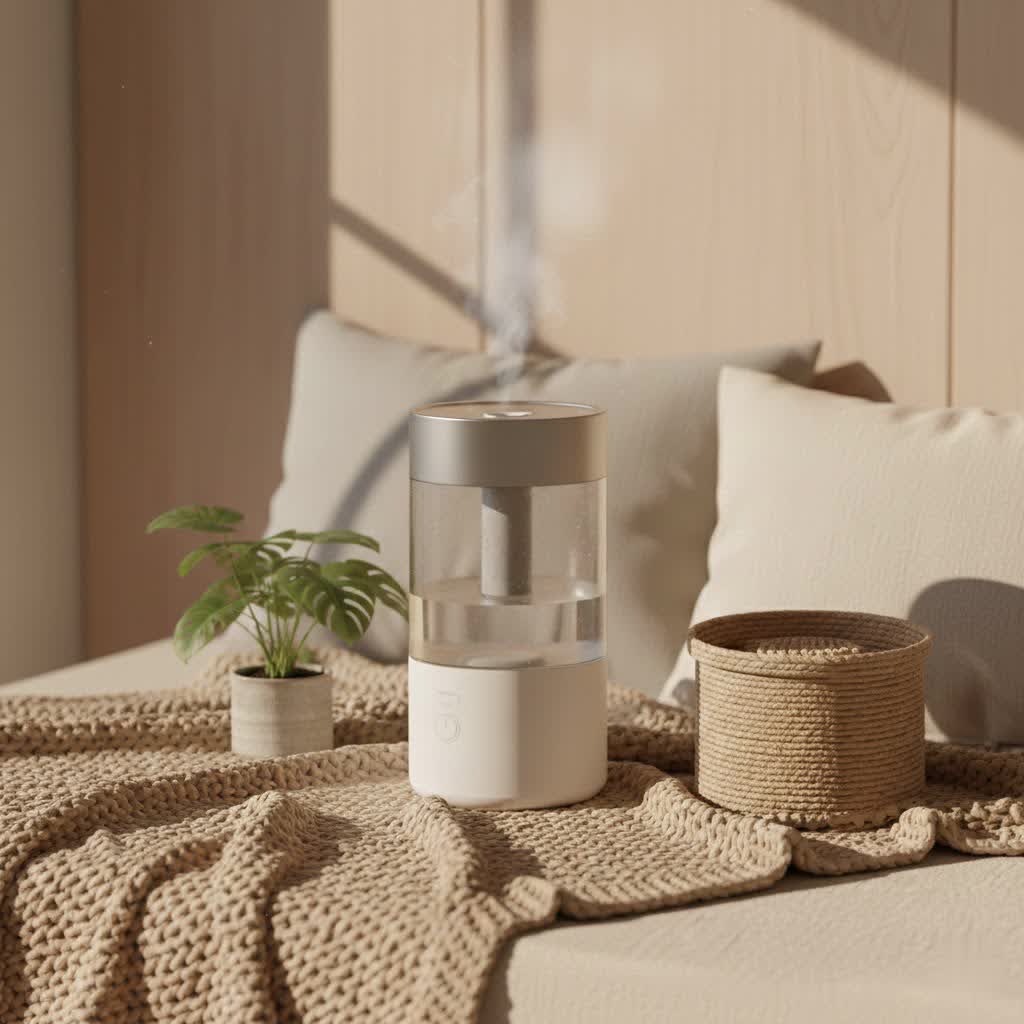
What is a Cool Mist Humidifier and Why Do You Need One?
A cool mist humidifier is an appliance designed to release a fine, room-temperature mist into the air, effectively increasing humidity levels without using a heating element. Unlike their warm mist counterparts, they don’t boil water, making them a safer choice for households with children and pets. The mechanism typically involves either ultrasonic vibrations or a fan blowing air through a saturated wick filter to create the moisture.
The benefits of maintaining optimal humidity (generally between 40-60%) in your home are numerous. Primarily, cool mist humidifiers significantly improve respiratory health by soothing dry nasal passages and throats, which can alleviate symptoms of colds, flu, allergies, and asthma. Many users report reduced coughing, congestion, and even a decrease in snoring, leading to more restful sleep. Beyond respiratory relief, these devices combat dry skin, chapped lips, and irritated eyes, helping your skin retain its natural moisture. From a home comfort perspective, proper humidity can reduce static electricity, protect wooden furniture and houseplants from drying out, and even make your home feel warmer, potentially lowering heating costs. Their quiet operation, especially for ultrasonic models, makes them ideal for bedrooms and nurseries where undisturbed sleep is paramount.
Who stands to benefit most from a cool mist humidifier? Individuals living in dry climates or during arid seasons, allergy and asthma sufferers, and anyone prone to dry skin or respiratory discomfort. Families with young children and pets particularly appreciate the safety aspect, as there’s no risk of burns from hot water or steam.
Exploring the Types of Cool Mist Humidifiers
Cool mist humidifiers predominantly come in two main types: ultrasonic and evaporative. Each offers distinct advantages and considerations, making it important to understand their differences before making a purchase.
Ultrasonic Humidifiers
|
Our Picks for the Best Cool Humidifier in 2026
As an Amazon Associate I earn from qualifying purchases.
|
||
| Num | Product | Action |
|---|---|---|
| 1 | Dreo Smart Humidifiers for Bedroom, Top Fill 4L Supersized Humidifier Large Room with 28 dB, 36H Runtime, Touch/APP/Voice Control, Nightlight, Cool Mist Humidifiers for Baby, Plants, Indoor, Black |

|
| 2 | Humidifiers for Bedroom, 2.0L Cool Mist Humidifier for Home Plant and Baby Nursery, Quiet Ultrasonic Humidifier with 360° Nozzle, Auto Shut-Off, Filterless, Black |
|
| 3 | Clarston 2L Cool Mist Humidifier for Bedroom with 360° Adjustable Nozzle, High and Low Mist Levels, Ultra-Low Noise, Light-Off, No BPA, Auto Shut Off, Ideal Baby Humidifier with Easy Top Filling |
|
| 4 | Humidifiers for Bedroom Large Room, 2.5L Cool Mist Humidifier with Essential Oil Diffuser, Top Fill Humidifier for Baby, Home, Plant, Ultrasonic Humidification for whole house, Auto Shut-Off |
|
| 5 | Homvana Humidifiers for Bedroom Home, 3.6 L Cool Mist Top-Fill 34H Super Long Time, Quiet 23dB, Baby Humidifier, Oil Diffuser for Large Room, House, Plant, Nursery, Office, BPA FREE, Ultrasonic (Grey) |
|
| 6 | Dreo Humidifiers for Bedroom, 4L Top Fill for Large Room, 36H Runtime, 28 dB Quiet Supersized Cool Mist Air Humidifier for Baby Nursery, Plants, Indoor, Night Light, Easy to Clean & Fill, White |
|
| 7 | Humidifiers for Bedroom - GloryAir 2.38Gal/9L Top Fill Warm & Cool Mist Humidifier for Large Room 750ft² with Auto Mode 7-Color Light, Humidistat, Quiet Humidifier for Plants Baby Adults Home & Office |
|
| 8 | MEGAWISE 3.5L Cool Mist Humidifier – Ultra-Quiet Ultrasonic Vaporizer with Top-Fill Design, Essential Oil Diffuser, 7-Color Night Light & Auto Shut-Off |
|
| 9 | LEVOIT Top Fill Humidifiers for Bedroom, 2.5L Tank for Large Room, Easy to Fill & Clean, 26dB Quiet Cool Mist Air Humidifier for Home Baby Nursery & Plants, Auto Shut-off and BPA-Free for Safety, 25H |
|
| 10 | AquaOasis® Cool Mist Humidifier (2.2L Water Tank) Quiet Ultrasonic Humidifiers for Bedroom & Large room - Adjustable -360 Rotation Nozzle, Auto-Shut Off, Humidifiers for Babies Nursery & Whole House |
|
Ultrasonic cool mist humidifiers utilize a small, rapidly vibrating metal diaphragm (nebulizer) to break water into a super-fine, cool mist that is then dispersed into the room. This technology is known for its exceptionally quiet operation, often emitting little more than a gentle hum, which makes them a popular choice for bedrooms and nurseries. Many ultrasonic models are also filter-free, simplifying maintenance by eliminating the need for regular filter replacements. However, a common characteristic of ultrasonic humidifiers, particularly when using hard tap water, is the potential for “white dust.” This is a fine, powdery residue of minerals that are aerosolized and settle on surrounding surfaces. Using distilled or demineralized water can significantly mitigate this issue. These humidifiers typically produce a visible mist.
Evaporative Humidifiers
Evaporative cool mist humidifiers work by drawing water from a reservoir into a wick filter. A fan then blows dry air across this moistened wick, causing the water to naturally evaporate into the air as an invisible vapor. A key advantage of evaporative models is their self-regulating nature; they naturally stop adding moisture once the room reaches a comfortable humidity level, preventing over-humidification that could lead to mold growth. The wick also acts as a filter, trapping minerals and impurities from the water before they become airborne, thus preventing white dust. On the downside, the fan operation can be noisier than ultrasonic models, and the wick filters require regular cleaning and replacement (typically every 30-60 days) to prevent bacterial growth and maintain efficiency.
Comparison of Ultrasonic vs. Evaporative Cool Mist Humidifiers
| Feature | Ultrasonic Humidifier | Evaporative Humidifier |
|---|---|---|
| Mist Type | Visible, fine cool mist | Invisible cool vapor |
| Noise Level | Very quiet (minimal hum) | Can be noisy (fan operation) |
| Filter | Often filter-free (some use demineralization cartridges) | Requires wick filter (needs regular replacement) |
| White Dust | Prone to white dust with tap water | Less prone to white dust (filter traps minerals) |
| Energy Use | Generally low | Can be slightly higher due to fan, but still efficient |
| Maintenance | Regular cleaning to prevent mineral buildup and bacteria | Regular cleaning and filter replacement to prevent mold/bacteria |
| Humidity Control | Can sometimes oversaturate if not regulated | Self-regulating (prevents over-humidification) |
| Best For | Bedrooms, nurseries, quiet spaces | Larger rooms, those sensitive to white dust |
Top Cool Mist Room Humidifiers Reviewed
Choosing the best cool mist humidifier involves balancing features, performance, and budget. Here are some highly-regarded models that stand out in the market, catering to different needs and preferences:
1. Levoit OasisMist Smart Humidifier
The Levoit OasisMist Smart Humidifier frequently tops “best of” lists for its versatility and smart features. This hybrid model offers both cool and warm mist (though we focus on its cool mist capabilities here). It boasts a generous 4.5-liter water tank, providing long runtimes and ample coverage for medium to large rooms. Its smart functionalities, controlled via a mobile app, allow for remote operation, scheduling, and precise humidity adjustments. Users praise its quiet operation and ease of use, with a convenient top-fill design and an essential oil diffuser tray for aromatherapy.
2. Pure Enrichment MistAire Ultrasonic Cool Mist Humidifier
For those seeking a straightforward, reliable, and exceptionally quiet cool mist humidifier, the Pure Enrichment MistAire is an excellent choice. This ultrasonic model is highly effective for bedrooms and medium-sized rooms, earning accolades for its near-silent operation, making it ideal for light sleepers or nurseries. It features a 1.5-liter tank that provides up to 16 hours of continuous operation, an auto-shutoff safety feature, and a 360-degree mist nozzle. Its compact design and user-friendly controls (a simple dial) make it a popular budget-friendly option.
3. Honeywell HUL520B Mistamate Cool Mist Humidifier
The Honeywell HUL520B Mistamate is a compact and portable cool mist humidifier, perfect for personal spaces like nightstands, desks, or small bedrooms. Its small footprint belies its effectiveness, delivering noticeable moisture relief. It’s praised for its quiet ultrasonic operation, filter-free design, and simple one-touch controls. While its 0.5-gallon tank offers a respectable 18 hours of runtime, it’s primarily designed for individual use rather than humidifying an entire room. This model is often recommended for its reliability and ease of maintenance.
4. Crane 1 Gallon Drop Cool Mist Humidifier
The Crane Drop Cool Mist Humidifier is a perennial favorite, known for its distinctive teardrop shape, vibrant color options, and reliable performance. This ultrasonic humidifier features a 1-gallon tank, offering up to 24 hours of cool mist output, making it suitable for medium-sized rooms. It’s particularly lauded for its user-friendly design, including a removable bottom-fill tank that’s easy to clean, and a 360-degree mist lid. Parents often choose the Crane Drop for nurseries due to its quiet operation and the absence of hot water. It’s an excellent all-around option balancing performance, aesthetics, and affordability.
5. Carepod One Humidifier
The Carepod One stands out for its minimalist design and emphasis on hygiene and ease of cleaning. This high-end ultrasonic cool mist humidifier boasts a unique all-stainless steel internal basin, making it incredibly resistant to mold and bacteria growth, and most parts are dishwasher-safe. Its simple five-component design eliminates tight crevices, ensuring thorough cleaning. While it might come at a higher price point, its commitment to cleanliness, quiet operation, and robust humidification capacity for living rooms and larger bedrooms makes it a premium choice for health-conscious users.
Comparative Overview: Leading Cool Mist Humidifiers
| Model | Price Range (USD) | Capacity (Gallons) | Coverage Area (Sq. Ft.) | Noise Level | Filter | Special Features |
|---|---|---|---|---|---|---|
| Levoit OasisMist Smart | $70 – $90 | 1.18 | 200-500 | Quiet | Filter-free | Smart app control, essential oil tray, dual mist |
| Pure Enrichment MistAire | $40 – $60 | 0.4 | 250 | Very Quiet | Filter-free | Auto-shutoff, 360-degree nozzle |
| Honeywell HUL520B Mistamate | $20 – $30 | 0.5 | 150 | Quiet | Filter-free | Compact, portable, simple controls |
| Crane 1 Gal. Drop | $50 – $70 | 1.0 | 500 | Quiet | Filter-free | 360-degree mist cap, available in various colors |
| Carepod One | $150 – $200 | ~1.0 | 500+ | Very Quiet | Filter-free | Stainless steel, dishwasher-safe, easy to clean |
Your Essential Buying Guide: Choosing the Right Cool Mist Humidifier
Selecting the perfect cool mist humidifier involves considering several factors tailored to your specific needs and living situation.
Room Size and Coverage
The most crucial factor is matching the humidifier’s capacity and mist output to the size of the room you intend to humidify. Manufacturers typically provide a recommended coverage area in square feet. A small personal humidifier is adequate for a desk or nightstand, while a medium-sized unit suits a bedroom, and a large or whole-house model is needed for living areas or multiple rooms. An undersized unit will struggle to reach desired humidity levels, while an oversized one can lead to excessive moisture.
Noise Level Considerations
If the humidifier will be used in a bedroom, nursery, or office, noise level is critical. Ultrasonic models are generally the quietest, often described as producing a gentle hum or white noise that some find soothing for sleep. Evaporative models, with their internal fans, tend to be louder. Check decibel ratings or user reviews for real-world feedback on noise.
Maintenance and Cleaning Ease
Regular cleaning is non-negotiable for all humidifiers to prevent the growth of mold, bacteria, and mildew. Look for models with wide tank openings, easily accessible components, and simple designs. Filter-free ultrasonic models eliminate filter replacement costs but require diligent cleaning to prevent mineral buildup and white dust. Evaporative humidifiers require regular filter replacement, which is an ongoing expense and task. Some advanced models, like the Carepod One, prioritize hygiene with dishwasher-safe components.
Desired Features
Modern cool mist humidifiers come with a range of features that enhance user experience:
- Humidistat: An integrated humidistat allows the device to automatically maintain a set humidity level, turning on and off as needed.
- Auto-Shutoff: A safety feature that turns the unit off when the water tank is empty, preventing damage and conserving energy.
- Essential Oil Tray: For aromatherapy, allowing you to diffuse essential oils without adding them directly to the water tank, which can damage internal components.
- Timer: To schedule operation for specific durations.
- Smart Connectivity: Wi-Fi enabled models can be controlled via smartphone apps, offering convenience and remote monitoring.
- Top-Fill Design: Simplifies refilling the water tank.
Safety Aspects
For homes with babies, young children, or pets, cool mist humidifiers are highly recommended over warm mist models due to the absence of hot water or heating elements, eliminating any burn risk. This is a primary reason why medical professionals, like the Mayo Clinic, advise using cool mist humidifiers in children’s rooms.
Budget
Cool mist humidifiers are available across a wide price spectrum. While budget-friendly options can be effective for smaller spaces, investing a bit more can get you larger capacities, advanced features, and more durable, easier-to-clean designs. Consider the long-term cost of filters if you choose an evaporative model.
Master Your Cool Mist Humidifier: Usage and Maintenance Tips
To maximize the benefits and lifespan of your cool mist humidifier, proper usage and diligent maintenance are crucial. Neglecting cleaning can lead to the dispersal of bacteria and mold into your air, negating any health benefits.
Safe and Effective Operation
- Placement: Place your humidifier on a flat, water-resistant surface at least six inches away from walls and furniture to allow for proper mist dispersion and prevent moisture damage. Avoid placing it directly on carpet or near electronics.
- Optimal Humidity Levels: Aim for indoor humidity levels between 40% and 60%. Most humidifiers with a humidistat will automatically maintain this. Too little humidity offers no relief, while too much can encourage mold and dust mite growth.
- Water Type: Always use distilled or demineralized water, especially with ultrasonic humidifiers, to prevent the “white dust” caused by minerals in tap water. While evaporative humidifiers filter out some minerals, distilled water is still beneficial.
The Importance of Regular Cleaning
Weekly cleaning is essential for all humidifiers, and even more frequently if you use it daily or if someone in your household has respiratory sensitivities. Stagnant water is a breeding ground for bacteria and mold.
Step-by-Step Cleaning Guide:
- Preparation: Always unplug your humidifier before cleaning. Disassemble all removable parts (water tank, base, caps, mist nozzle, filter if applicable). Empty any remaining water.
- Descaling (Mineral Removal) – Weekly:
- For the Water Tank: Fill the tank with 1-2 cups of undiluted white vinegar. Swish it around to coat the interior walls. Let it soak for 20-30 minutes.
- For the Base/Reservoir: Pour undiluted white vinegar directly into the base, ensuring it covers the nebulizer (for ultrasonic) or heating element (for warm mist, but not applicable here). Let it soak for 20-30 minutes.
- Scrubbing: Use a soft-bristled brush or sponge to gently scrub away any mineral deposits or film from the tank and base. For small parts like caps and nozzles, wipe with a vinegar-soaked cloth.
- Rinsing: Rinse all parts thoroughly with clean water until the smell of vinegar is completely gone. Air dry completely before reassembling.
- Disinfecting (Germ Kill) – Weekly or Bi-weekly:
- Option 1: Bleach Solution: Mix 1 teaspoon of liquid chlorine bleach with 1 gallon of water. Pour about half of this solution into the water tank, replace the cap, and swish to coat the interior. Place the tank on the base to let the solution drain into the reservoir. Let it stand for 15-20 minutes.
- Option 2: Hydrogen Peroxide: (Check your humidifier’s manual for compatibility). Use a solution of 3% hydrogen peroxide and water.
- Crucial Note: NEVER mix bleach and vinegar, as this creates dangerous chlorine gas. Choose one method.
- Rinsing: After soaking, thoroughly rinse all parts with clean water until there is no bleach smell. Air dry completely.
Troubleshooting Common Issues
- No Mist/Low Output: Check water level, ensure the unit is plugged in, and clean the nebulizer (ultrasonic) or replace the filter (evaporative) to remove mineral buildup.
- Odors: This is usually a sign of bacterial or mold growth. Perform a thorough cleaning and disinfection. Ensure you’re using fresh water daily.
- White Dust: As mentioned, this is mineral residue. Switch to distilled water if you haven’t already. Regular descaling will also help.
“Many people underestimate the importance of consistent cleaning for their humidifiers. It’s not just about functionality; it’s about safeguarding your health. A clean humidifier is a healthy humidifier.” – Admin, reviewdaiso.com
Conclusion
Cool mist room humidifiers are invaluable allies in creating a healthier, more comfortable home environment, particularly for those battling dry air, respiratory issues, or seeking enhanced well-being. From the whisper-quiet efficiency of ultrasonic models to the self-regulating prowess of evaporative units, there’s a cool mist humidifier designed to meet almost every need and preference. By understanding the types available, considering your specific requirements, and committing to a routine of proper usage and diligent cleaning, you can unlock the full potential of these beneficial devices. They are a simple yet powerful investment in your family’s health and comfort, providing relief from dry air symptoms and protecting your home.
Ready to experience the refreshing difference? Which cool mist humidifier feature are you most excited to integrate into your home routine?
Frequently Asked Questions
Are cool mist humidifiers safe for babies and children?
Yes, cool mist humidifiers are generally recommended as the safest option for babies and children. Unlike warm mist humidifiers, they do not have a heating element or produce hot steam, eliminating any risk of burns from accidental tipping or touching. Many pediatricians advise cool mist for nurseries for this safety reason.
How often should I clean my cool mist humidifier?
For optimal performance and to prevent the growth of mold and bacteria, it’s recommended to clean your cool mist humidifier at least once a week. If you use it daily, or if you or your family members have respiratory issues, cleaning it every few days or even daily emptying and drying is advisable.
Can I use essential oils in my cool mist humidifier?
While some cool mist humidifiers come with a dedicated essential oil tray or diffuser compartment, it is generally not recommended to add essential oils directly into the water tank. Essential oils can corrode plastic parts, damage the humidifier’s internal components, and void your warranty. Always check your model’s instructions for safe aromatherapy use.
Why is my cool mist humidifier producing white dust?
White dust is typically caused by minerals present in hard tap water. Ultrasonic humidifiers, in particular, aerosolize these minerals, causing them to settle on surfaces. To prevent white dust, it is highly recommended to use distilled or demineralized water in your humidifier. Regular descaling with white vinegar also helps.
What’s the ideal humidity level for a room?
The ideal indoor humidity level for comfort and health is generally between 40% and 60%. Maintaining humidity within this range helps alleviate dry air symptoms, inhibits the growth of mold and dust mites (which thrive in humidity above 60%), and can protect household furnishings. Many modern humidifiers feature a built-in humidistat to help you maintain this balance.
